New Brunswick — The Picture Province
Capital: Fredericton · Population: approximately 850,000 · Joined Confederation: 1867
New Brunswick tends to be the least-visited of the Maritime provinces, which is unfair but partly its own fault — it has three cities of roughly equal size and no clear single capital draw. What it does have is the Bay of Fundy, which is worth flying in for on its own; some of the best-preserved small-town architecture in the country; a lively Acadian coast along the northeast; and roads that empty out the moment you leave the Trans-Canada. It's a province for driving, for eating fried clams at a picnic table by the sea, and for listening to fiddle music in a pub in Caraquet on a Friday night.
A Compact History
The Wolastoqiyik (Maliseet), Mi'kmaq and Peskotomuhkati (Passamaquoddy) peoples have lived along the rivers and coasts of what is now New Brunswick for more than 10,000 years. French settlers arrived in the 1600s and built Acadia along the Bay of Fundy. After the expulsion of the Acadians in 1755, the British settled the land with New Englanders and, after 1783, with tens of thousands of Loyalists fleeing the American Revolution. Acadians returned in waves from the 1760s onward, settling primarily along the north and east coasts where they remain the majority today.

Fredericton
Fredericton is the provincial capital, population about 65,000 within city limits and 110,000 in the metro area. It sits inland on the St. John River about 90 minutes from Saint John and from Moncton. It's a quiet, tree-lined, university-and-government city with a disproportionately good downtown arts scene.
What should I do in Fredericton?
Walk the river. The Fredericton Walking Trail follows the St. John River for kilometres along the old rail line. The Beaverbrook Art Gallery, gifted to the city by the press baron Lord Beaverbrook (who grew up here), has one of the best small-city collections in Canada — Salvador Dalí's "Santiago El Grande" is the best-known piece. The Officers' Square downtown hosts free outdoor concerts all summer. The Garrison District, with its restored barracks and soldiers' quarters, houses the York-Sunbury Museum and a handful of craft breweries.
Is Fredericton worth a whole day?
Half a day, for most visitors. It's a pleasant small capital rather than a destination.
Most Popular Museum: Beaverbrook Art Gallery
The Beaverbrook Art Gallery on Queen Street in Fredericton is, by any rigorous accounting, the finest art gallery in Atlantic Canada. Lord Beaverbrook — the New Brunswick-born newspaper magnate who became one of the most powerful media figures in 20th-century Britain — assembled the collection and donated it to his home province, and the range reflects his transatlantic life: Gainsborough, Reynolds, Constable, and Turner from the British tradition; a room of Salvador Dalí; and a collection of Canadian painters whose work — Emily Carr, Cornelius Krieghoff, the Group of Seven — is displayed without apology as the equal of the British work beside it.
The gallery's most dramatic single object is Dalí's Santiago el Grande (1957), a monumental oil that Beaverbrook acquired directly from the artist — a Christ figure on horseback ascending toward an explosion of light that has decorated the gallery's wall since 1959. It is not what you expect to find in the provincial capital of New Brunswick, and that surprise is part of its power.
Your Best 5 Days in Fredericton
Fredericton is one of Canada's smallest provincial capitals and one of its most walkable. The city sits on the Saint John River with a garrison district, a university, and a tree-lined downtown that can be covered on foot in an afternoon. Five days here means using the city as a base for the Saint John River valley and the agricultural interior.
Downtown, Beaverbrook & the Green
Walk the Officers' Square and the Garrison District on the north side of downtown — the 1820s British garrison buildings are the most intact in the Maritimes. Spend the morning at the Beaverbrook Art Gallery. Afternoon on the Fredericton Green, the riverfront park where concerts and farmers' markets run through summer. Dinner at Grimross Brewing Company on Northside Drive.
UNB Campus & Mactaquac
University of New Brunswick sits on a hill overlooking the city — the oldest English-language university in Canada (1785) with a campus chapel worth visiting. Drive west to Mactaquac Provincial Park on the Saint John River: swimming, hiking, and a golf course on 1,400 acres of river flats. The Mactaquac Dam interpretive trail explains the 1968 flooding that displaced several communities and transformed the river valley.
Kings Landing Historical Settlement
Kings Landing, 37 km west of Fredericton, is one of the finest living history museums in eastern Canada — 70 heritage buildings relocated from the Mactaquac flooded zone and elsewhere, housing a restored 1820–1900 Loyalist village with working farms, mills, and costumed interpreters who cook, weave, and farm as their characters would have. Allow a full day; the covered bridge at the entrance sets the tone for the whole experience.
Saint John River Drive to Hartland
Drive west on Highway 105, the river road, through Woodstock to Hartland — home of the longest covered bridge in the world (390.75 metres, built 1901). The covered bridge is a genuine engineering artifact and a symbol of the agricultural New Brunswick that built it. Drive back through Aroostook and stop at the Florenceville-Bristol area — the potato belt that feeds much of North America, backed by the slopes of the Appalachian foothills.
York-Sunbury Museum & Departure
The York-Sunbury Museum in the Officers' Square barracks holds natural history and local history collections including the Coleman Frog — a legendary (and probably taxidermied hoax) bullfrog alleged to have weighed 19 kilograms, which has become an unlikely mascot for Fredericton's deadpan humour. Morning at the museum and a final walk on the Saint John River boardwalk before the drive to Fredericton Airport.
Saint John

Saint John (always spelled out in full — never "St. John," which refers to Newfoundland's capital) sits at the mouth of the St. John River on the Bay of Fundy. It's the oldest incorporated city in Canada (1785), population about 130,000 in the metro area. Ugly port-industrial on the outskirts; genuinely lovely brick-and-stone Victorian downtown in the centre.
What are the Reversing Falls?
Technically reversing rapids, not falls — the Fundy tides are so strong that they reverse the flow of the St. John River at the harbour mouth twice a day. You can watch it from a viewing platform at the Skywalk. It's worth the thirty minutes but don't plan an entire visit around it.
What about the rest of Saint John?
The City Market (open since 1876) is the oldest continuously operating market in North America and is the single best spot in the city to spend an hour. Market Square on the waterfront has restaurants and the New Brunswick Museum. The uptown walking tour through the 1870s commercial district is one of the best in Atlantic Canada — a surviving Victorian streetscape on a scale you don't see in Halifax or St. John's.
Most Popular Museum: New Brunswick Museum
The New Brunswick Museum on Douglas Avenue is the oldest continuous public museum in Canada, established in 1842 — predating Confederation by a quarter-century. The collection covers the natural history of New Brunswick from Precambrian geology to the present marine ecosystem, and the human history from the Wolastoqey (Maliseet) and Mi'kmaq peoples through the Loyalist settlement of 1783 and the age of wooden shipbuilding that made Saint John one of the wealthiest cities in British North America.
The shipbuilding galleries are particularly strong — Saint John was the fourth-largest shipbuilding port in the world in the 1850s and 1860s, and the full-scale ship models, timber samples, and builder's half-models in the collection document a wooden ship industry that competed with Liverpool and New York. The tidal science exhibit, explaining the Bay of Fundy's extraordinary 16-metre tides and the hydraulic engineering of the Reversing Falls where the Saint John River meets the sea, is the best single scientific interpretation in the province.
Your Best 5 Days in Saint John
Saint John is the oldest incorporated city in Canada and the one that has had the most complicated relationship with its own history. The Victorian downtown along King Street — the loyalty to British architecture that the Loyalist founders imposed and maintained — is genuinely beautiful, and the Irving Oil refinery that dominates the east end of the harbour is the economic reality that the Victorian beauty rests on. Both things are true simultaneously.
Uptown & New Brunswick Museum
Walk the Uptown King Street Heritage area — the Victorian commercial buildings, Trinity Church, and the Old City Hall that survived the 1877 fire. Morning at the New Brunswick Museum. Afternoon: walk the Harbour Passage waterfront trail from Market Slip (where the Loyalists landed in 1783) to the Marco Polo Cruise Terminal. Dinner at East Coast Bistro on Prince William Street.
Reversing Falls & Irving Nature Park
The Reversing Falls at the mouth of the Saint John River is a tidal hydraulic phenomenon — at high tide, Bay of Fundy water backs up the river; at low tide, the river roars out over a submerged ridge. The interpretive centre explains the mechanics; the bridge view at tide change is dramatic. Afternoon at Irving Nature Park, 243 acres of headlands, tidal flats, and forest on a peninsula in the harbour — one of the best shorebird and seal-watching sites in the Maritimes.
Rockwood Park & Fort Howe
Rockwood Park is the urban park surprise of Saint John — 870 hectares of forest, lakes, trails, and a campground inside the city limits. The Cherry Brook Zoo is a small but well-maintained facility. Fort Howe National Historic Site, on a rocky ridge above the city, has the original 1778 blockhouse and panoramic harbour views. Evening at the Saint John Ale House on Water Street.
Fundy Trail Parkway
Drive 50 km east to the Fundy Trail Parkway — a 16-km scenic drive and multi-use trail above the Bay of Fundy cliffs between St. Martins and the wilderness shore. The Melvin Beach and Fuller Falls viewpoints are the most dramatic; the Suspension Bridge Trail gives cliff-edge views over the tidal shelf. The sea caves at St. Martins village are accessible at low tide and are worth the detour.
Saint John City Market & Departure
The Saint John City Market on Charlotte Street is the oldest continuing farmers' market in Canada (1876) — a cast-iron Victorian building with an inverted-ship-hull ceiling that has sold dulse, fiddleheads, lobster, and local produce every business day for nearly 150 years. Buy dulse (dried seaweed, a Maritime snack either beloved or incomprehensible depending on origin) and anything else that fits in your carry-on. The Saint John Airport is 15 minutes from downtown.
Moncton
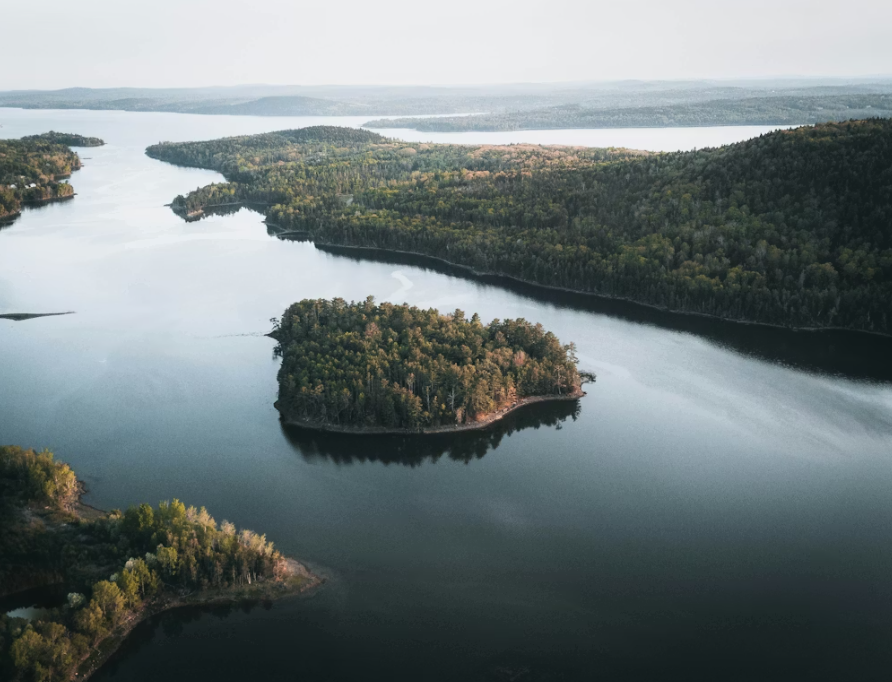
Moncton is the largest metropolitan area in New Brunswick (metro population about 160,000) and the only majority-bilingual city in Canada outside of Quebec's borders. Its Acadian population is substantial (about a third of residents speak French at home), the University of Moncton is the largest French-language university in the country outside of Quebec, and the city has been growing steadily as both a regional service centre and a call-centre/tech hub.
Is Moncton worth visiting?
As a base for exploring the Bay of Fundy and the Acadian Coast, yes. As a destination in itself, it's mostly strip malls and suburbs. The Tidal Bore on the Petitcodiac River is a genuine phenomenon (a two-foot wave racing up the river twice a day at high tide), though it's smaller than it used to be because of a causeway built in the 1960s. Magnetic Hill — a visual illusion where cars appear to roll uphill — is a roadside attraction that delivers exactly what it promises and nothing more.
Most Popular Museum: Resurgo Place
Resurgo Place on Main Street in Moncton combines the Moncton Museum and the Transportation Discovery Centre in a purpose-built facility that opened in 2016. The name comes from the city's motto — Resurgo, Latin for "I rise again," a reference to Moncton's recovery from the loss of the Intercolonial Railway shops in the 1920s. The museum covers Moncton's Indigenous history (Mi'kmaq territory and the Acadian settlement of the Petitcodiac River valley), the railway history that made the city, and the 20th-century growth that transformed a railway town into the bilingual business hub it has become.
The Transportation Discovery Centre section has an exceptional collection of early rail and road vehicles, including CNR locomotives and a fully preserved 1917 Thomas Built school bus that children are allowed to sit in. It is genuinely the most child-friendly museum in the Maritimes and worth a longer visit than its scale might suggest.
Your Best 5 Days in Moncton
Moncton is the fastest-growing city in Atlantic Canada and one that has changed enough in the past decade that guides written five years ago describe a different place. The restaurant scene has matured, the downtown core around Main Street has filled in, and the Petitcodiac River — tidal, dramatic, and recently freed from a causeway that had narrowed it for 40 years — is a genuine natural feature again.
Main Street & Tidal Bore Park
Walk Main Street and stop at Resurgo Place (morning). Tidal Bore Park is ten minutes' walk — watch the bore from the park as the incoming Fundy tide pushes up the Petitcodiac. The bore is a wave 2–60 cm high (depending on tide height) that reverses the river's flow visibly. Dinner at Pastalli Pasta House on Church Street, a Moncton institution for three decades.
Hopewell Rocks Day Trip
Drive 40 km south to Hopewell Rocks on the Bay of Fundy. These extraordinary flower-pot sea stacks — their bases eroded by Fundy tides into narrow columns capped with forest — are accessible on foot at low tide, when you can walk on the ocean floor among them. At high tide, kayak tours bring you to water-level beside the stacks. Check the tide table and plan to be there at low tide.
Magnetic Hill & Acadian Museum
Magnetic Hill is the famous optical illusion where a car in neutral appears to roll uphill — a perspective trick in the topography of the hill that has drawn tourists since the 1930s. The adjacent Magnetic Hill Zoo is Atlantic Canada's largest. Afternoon at the Acadian Museum at the Université de Moncton — the most comprehensive collection of Acadian material culture in the world, from the pre-Deportation era through the 18th-century dispersal and the Acadian renaissance of the late 19th century.
Shediac & the Lobster Capital
Drive 25 km east to Shediac — "Lobster Capital of the World" (self-proclaimed, arguably accurate). Parlee Beach Provincial Park has the warmest saltwater north of Virginia, and on a July afternoon it lives up to the claim. The giant lobster statue in the town centre is obligatory. Eat lobster at one of the dozen lobster shack restaurants; Chez Françoise is the best of the traditional options.
Fundy National Park
Drive 80 km southwest to Fundy National Park — 206 km² of Fundy headland forest, coastal trail, and shorebird habitat. The Dickson Falls loop (3.4 km, easy) and the Point Wolfe covered bridge are the accessible highlights. The Alma Wharf, where local fishers land lobster and dulse, is the place to buy both and eat them on a picnic bench with the Fundy tides coming in. Return to Moncton by evening for your departure flight.
The Bay of Fundy & Hopewell Rocks
The Bay of Fundy has the highest tides in the world. The difference between low and high tide can reach 16 metres (53 feet) — enough water to flood the surface of a four-storey building twice a day. The best places to experience it are Hopewell Rocks (where you can walk on the ocean floor at low tide and kayak around the same rock formations at high tide), Fundy National Park (more rugged, with hiking and whale-watching out of Alma), and the drive around the Fundy Trail Parkway.
How long do I need? A full day at minimum. Ideally two — enough to see both low and high tide at Hopewell Rocks and to do at least one hike in the national park.
Most Popular Museum: Fundy Geological Museum
The Fundy Geological Museum in Parrsboro, Nova Scotia — technically just across the provincial border but functionally the interpretive centre for the upper Bay of Fundy — houses the world's richest collection of Triassic fossils from the Minas Basin shoreline. The 200-million-year-old reptile tracks and bones found in the red Triassic mudstones of the Fundy shore have rewritten paleontologists' understanding of early dinosaur evolution. The museum is small but the quality of the fossil display — including the smallest dinosaur tracks ever found — is extraordinary relative to its size and location.
On the New Brunswick side, the Hopewell Rocks Ocean Tidal Exploration Site visitor centre provides the best interpretation of the Bay of Fundy's extraordinary tidal dynamics — the 16-metre tidal range, the most extreme in the world, and the hydraulic mechanics that produce it. The geology interpretation of the Carboniferous and Permian red bed sediments of the Fundy coast complements what the Fundy Geological Museum covers in more depth.
Your Best 5 Days on the Bay of Fundy
The Bay of Fundy is a geological phenomenon that deserves more than the two-hour tourist stop at Hopewell Rocks that most visitors give it. Five days on the bay means whale watching out of Digby or Grand Manan, walking the ocean floor twice daily as the tides come and go, sea kayaking, and understanding the scale of the tidal ecosystem.
Hopewell Rocks & Alma
Start at Hopewell Rocks for the low-tide walk on the ocean floor. Time your visit with a morning low tide for the best light on the sea stacks. Drive west to Alma village for lunch at the Tides Restaurant and a walk along the Fundy Trail to Point Wolfe. Overnight in Fundy National Park.
Fundy Trail Parkway
The Fundy Trail Parkway east of St. Martins gives access to the most rugged stretch of the New Brunswick Fundy shore — 16 km of scenic drive with trails down to sea caves, waterfalls (the 35-m Barnaby River Falls), and gravel beaches accessible only at low tide. Walk the suspension bridge trail to Long Beach Lookout at sunset.
Grand Manan Island
Ferry from Blacks Harbour to Grand Manan (90 minutes). The island is the whale-watching capital of the Bay of Fundy — fin, minke, humpback, and North Atlantic right whales feed in the rich upwelling around the island from July to September. The Dulse Capital of the World (Grand Manan harvests more than 90 percent of the world's dulse supply from the tidal rocks). Stay overnight and catch the first morning ferry back.
Digby & the Annapolis Valley Gateway
Cross to Nova Scotia on the Bay of Fundy Ferry from Saint John to Digby (3 hours, the world's shortest international ocean voyage metaphorically). Digby is the scallop capital of the world — eat them at the Fundy Restaurant on Shore Road. Drive north into the Annapolis Valley for a first look at apple orchards before returning to your base.
Cape Enrage & Tidal Departure
Cape Enrage, 40 km east of Hopewell Rocks, has a lighthouse on a headland that receives the full force of Fundy winds and a tide that, at its peak, makes the cape a temporary island. Rappelling and zip-lining are available in summer from the Cape Enrage Adventures operation. Final low-tide walk on the tidal flats at Mary's Point — the shorebird aggregation here (upwards of a million semipalmated sandpipers at peak migration in late July) is one of the natural world's great spectacles.
The Acadian Coast
The drive from Shediac up through Bouctouche, Miramichi, and Caraquet is the most distinctive part of the province. Acadian flags (blue-white-red with a yellow star) line the villages. The Village Historique Acadien in Bertrand is a live-interpretation museum of 19th-century Acadian life, worth a full day. Kouchibouguac National Park has warm-water beaches (Gulf of St. Lawrence water warms up in summer more than the Bay of Fundy water does) and a long coastal bike trail. Shediac calls itself the Lobster Capital of the World — the claim is disputed but the lobster rolls are legitimately excellent.
Most Popular Museum: Village historique acadien
The Village historique acadien near Caraquet is the defining cultural institution of Acadian New Brunswick — a 1,133-acre living history site that reconstructs Acadian life from the period of first settlement (1770s) through the early 20th century, with over 40 heritage buildings staffed by costumed interpreters speaking the 18th-century Acadian French that was carried in dialects from one end of Maritime Canada to the other. The village covers the period before, during, and after the Deportation (the Great Expulsion of 1755, when British authorities forcibly deported the Acadian population), and the interpretation of that trauma — its causes, its scale, its multigenerational consequences — is the most careful and complete anywhere in Canada.
The artisan demonstrations — woodworking, weaving, blacksmithing, bread-baking in outdoor stone ovens — are genuine craft productions rather than performances, and the village's restaurant serves traditional Acadian food (fricot, ploye buckwheat pancakes, meat pie) from heritage recipes. Budget a full day.
Your Best 5 Days on the Acadian Coast
The Acadian Coast from Shediac to Caraquet to Campbellton is the French-speaking New Brunswick that most anglophone visitors miss entirely by staying on the Trans-Canada. It is a fishing, farming, and festivals culture with deep roots, a distinct cuisine, and a pride of place that comes from surviving a deportation and building back a civilization from scratch.
Caraquet & Acadian Festival
Caraquet is the heart of the Acadian Peninsula — drive the Evangeline Trail (Highway 11) north from Moncton. The Acadian Festival in August fills the streets with traditional music, Tintamarre parades, and the blessing of the fleet. Off-season, the fishing wharf and the old waterfront buildings retain the character that summer events amplify. Dinner at the Paulin Hotel restaurant — one of the genuinely distinguished dining rooms in Atlantic Canada, in a 19th-century hotel that has been in the same family for generations.
Village historique acadien
A full day at the Village historique acadien near Caraquet. The Heritage Inn at the village serves breakfast in period style. Move through the village chronologically — from the 1770s pioneer farms, through the post-Deportation reconstruction, to the early 20th-century merchant and industrial buildings. The school and church buildings are particularly evocative; the 18th-century chapel's interior feels genuinely pre-Deportation.
Kouchibouguac National Park
Drive south to Kouchibouguac National Park — 238 km² of lagoons, barrier bars, salt marshes, and boreal forest on the Northumberland Strait coast. The barrier bars have the warmest saltwater beaches in Canada north of the Carolinas. Rent a canoe or kayak for the Kelly's Beach lagoon circuit; grey seals haul out on the offshore sandbar and are visible from the barrier bar viewpoint.
Shippagan & Aquarium
Shippagan, at the tip of the Acadian Peninsula, has the New Brunswick Aquarium and Marine Centre — a small but genuinely excellent aquarium focused on the species of the southern Gulf of St. Lawrence and Bay of Fundy ecosystems. The tanks of Atlantic cod, lobster, and striped bass are displayed alongside interpretation of the Gulf's commercial fisheries. The Lamèque International Baroque Music Festival (July) draws musicians from across Europe to perform in the island's historic stone church.
Bouctouche & Irving Eco-Centre
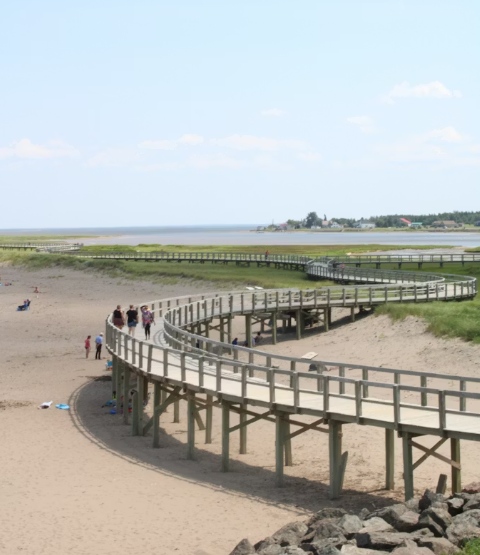
Drive south to Bouctouche — the hometown of K.C. Irving and the setting of Antonine Maillet's La Sagouine, the most celebrated Acadian novel. The Irving Eco-Centre: La Dune de Bouctouche protects a 12-km barrier dune system that is one of the most important coastal ecosystems in the Maritimes, accessible via a 1.5-km boardwalk over the dune. The La Sagouine Theatre at the bridge performs the novel's Acadian monologue in summer. Return to Moncton by evening.
New Brunswick FAQs
Do I need to speak French?
No. English will get you by everywhere, but on the Acadian coast (Caraquet, Shippagan, Tracadie) French is the dominant language and a few words are appreciated. Moncton is functionally bilingual. Fredericton and Saint John are majority-English.
What's HST in New Brunswick?
15 percent — same as Nova Scotia and PEI (all three Maritimes harmonized at 15 percent in 2016).
Are there really covered bridges?
Yes. New Brunswick has 58 surviving covered bridges, more than anywhere else in Canada. The Hartland Covered Bridge, crossing the St. John River, is the longest covered bridge in the world at 391 metres. They were covered to protect the wooden deck from weather, which extended the bridge's life significantly.
Is New Brunswick a good drive-through province?
Yes, in the sense that you can drive through it pleasantly in a day. A more satisfying visit takes at least three days — one for Fundy, one for the Acadian Coast, one for the St. John River Valley.

Education & Post-Secondary Institutions
New Brunswick is Canada's only officially bilingual province, and its post-secondary system reflects this duality — offering strong French-language and English-language institutions ranging from research universities to technical colleges and specialized professional schools.
University of New Brunswick (UNB)
One of the oldest English-language universities in North America, UNB is known for engineering, forestry, law, computer science, and nursing. The Fredericton campus has a long history of producing engineers who work across Canada's resource industries. UNB Saint John focuses on business and health sciences.
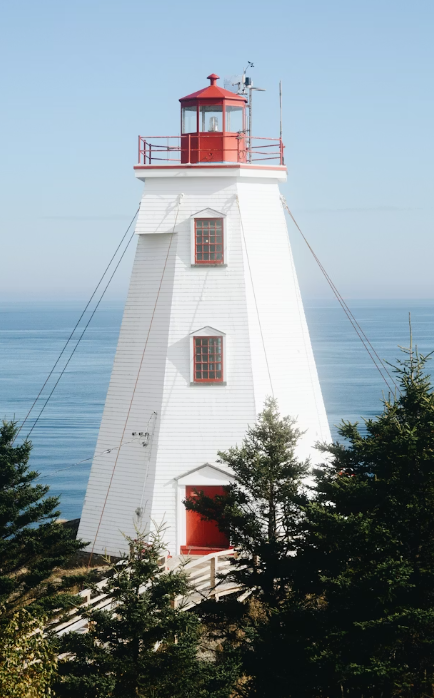
Université de Moncton
The largest French-language university outside Quebec, a cornerstone of Acadian culture and identity. Known for its law school (the only French common-law school in Canada), administration, education, and nursing programs. Three campuses serve the province's Francophone communities.
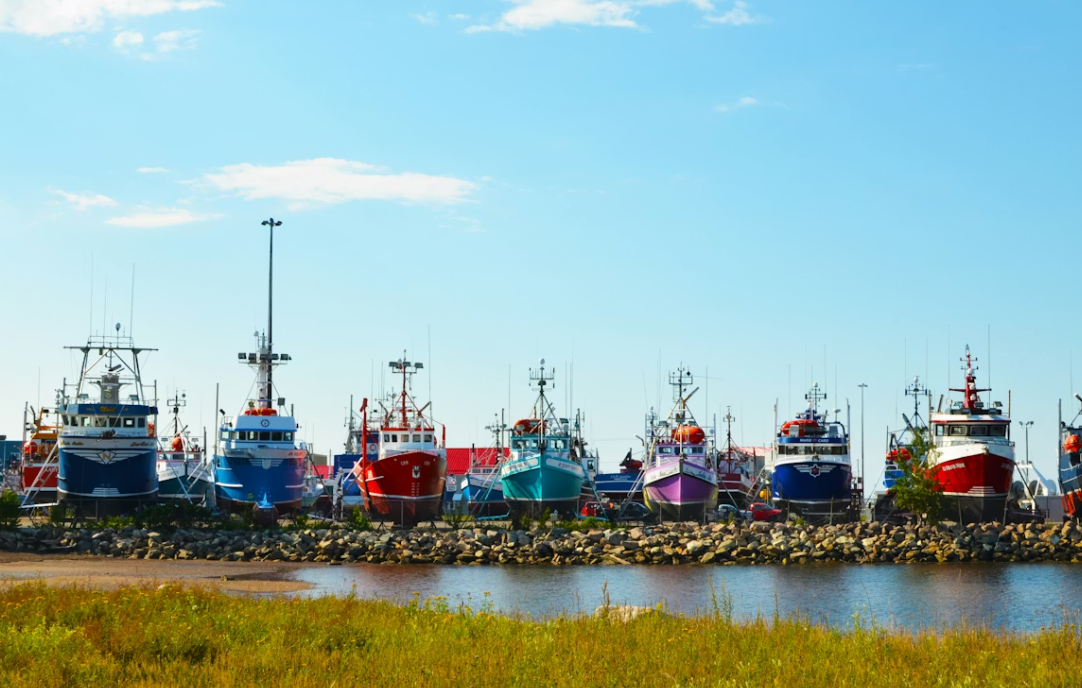
Mount Allison University
Repeatedly ranked the top primarily undergraduate university in Canada by Maclean's. Known for fine arts, commerce, and sciences in a tight-knit small-town setting. Mount Allison has a remarkable record of Rhodes Scholars per capita and an outstanding fine arts tradition.
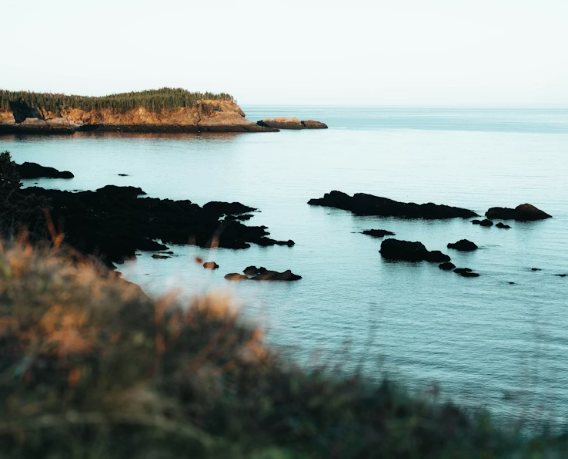
St. Thomas University
A small Catholic liberal arts university sharing a campus with UNB, known for social work, criminology, journalism, and Indigenous studies. STU has a strong reputation for community engagement and its journalism program feeds Atlantic Canadian media.
New Brunswick Community College (NBCC)
The province's English-language community college system with campuses in Saint John, Moncton, Fredericton, Woodstock, Sussex, Miramichi, and Bathurst. Offers practical programs in trades, IT, business, health, and early childhood education — the backbone of New Brunswick's skilled workforce.
Sports Teams & Athletic Culture
New Brunswick has no major professional sports franchise, but its junior hockey culture is fierce and connects the province's English and French communities in ways that politics sometimes can't.
 WCATS
WCATS
Moncton Wildcats
One of the QMJHL's most competitive franchises, playing at the modern Avenir Centre in Moncton. Situated in the heart of Acadian New Brunswick, the Wildcats draw bilingual crowds and have won the Memorial Cup.
 SEA DGS
Saint John Sea Dogs
The Sea Dogs play at TD Station on Saint John's waterfront — one of the most atmospheric small arenas in junior hockey. The franchise consistently develops NHL talent.
TITAN
Acadie-Bathurst Titan
Based in Bathurst in the French-speaking north, the Titan represent the Acadian community's deep investment in hockey. The franchise has won the Memorial Cup and consistently develops talent from the Acadian Peninsula.
Culture, Arts & Identity
New Brunswick is the only province in Canada with two official languages in its constitution. The English-speaking south and west, and the French-speaking Acadian north and east, have produced distinct cultural expressions that occasionally intersect and occasionally argue — but the province as a whole has an intimacy and a groundedness that larger provinces rarely achieve.
Acadian Culture
The Acadian community of New Brunswick is among the most culturally vibrant French communities outside Quebec. Acadian French is distinct from Quebec French — older in some ways, with Norman and Poitevin roots. The Acadian Peninsula around Caraquet and the north coast is a working fishing and farming community that has maintained its language and Catholic parish culture through centuries of pressure. The Acadian World Congress, held every five years, brings together Acadian diaspora communities from around the world.
The Bay of Fundy
The Fundy tides — the highest in the world, rising and falling up to 16 metres in a single cycle — shape the landscape and the culture of the province's south coast. The Hopewell Rocks, where flower-pot rock formations stand exposed at low tide and disappear under water at high tide, are one of the great natural spectacles in eastern Canada. The fundy coastal hiking trail along the coast is demanding and extraordinarily beautiful.
Covered Bridges
New Brunswick has more covered wooden bridges than any other province in Canada — over fifty still standing. The bridges were covered to protect the wooden decking from weather, but they've become icons of a particular vision of rural Maritime life. Hartland's covered bridge, at 391 metres, is the longest covered wooden bridge in the world and is a genuinely moving structure to walk across.
Arts Scene
Fredericton hosts the Beaverbrook Art Gallery, one of Atlantic Canada's great museums, with a collection that includes Salvador Dalí, Lucian Freud and a permanent room dedicated to British portraiture. The gallery was the gift of Lord Beaverbrook, who was born in Ontario but identified with New Brunswick throughout his life as a press baron and wartime British cabinet minister.
New Brunswick's Hall of Icons
New Brunswick produces creators who often leave but never quite forget the place. The Acadian fiddlers, the Bay of Fundy poets, the Saint John shipbuilders — names below — have all carried a particular Maritime sensibility into the wider world.
Lord Beaverbrook (Max Aitken)
WPView on Wikipedia →Press baron, wartime cabinet minister to Churchill, and one of the most influential New Brunswickers in British public life. Beaverbrook gave the province the Beaverbrook Art Gallery, the Lady Beaverbrook Rink and the Old Government House. The University of New Brunswick is dotted with his benefactions.
David Adams Richards
WPView on Wikipedia →Two-time Governor General's Award winner, author of the Miramichi trilogy. Richards writes the working-class river towns of north-eastern New Brunswick the way few Canadian writers write any place. Now a senator.
Roch Voisine
WPView on Wikipedia →Acadian francophone pop star whose 1989 hit "Hélène" sold more than four million copies in France alone. Voisine remains one of the most successful francophone Canadian recording artists outside Quebec.
Brad Gushue
WPView on Wikipedia →Olympic gold medallist (2006) and multiple Brier winner. New Brunswick has long been a Maritime curling powerhouse, and the rinks of Saint John, Fredericton and Moncton produce a steady supply of provincial champions.
Antonine Maillet
WPView on Wikipedia →Acadian novelist and the first non-European to win the Prix Goncourt (1979 for Pélagie-la-Charrette). Maillet's La Sagouine remains a touchstone of Acadian literature; the recreated village of Le Pays de la Sagouine in Bouctouche is a pilgrimage stop.
Walter Pidgeon
IMDbView on IMDb →Two-time Oscar-nominated leading man of Hollywood's golden age (Mrs. Miniver, How Green Was My Valley). Born in Saint John, he carried a Maritime accent quietly into MGM's polished sound stages.
Willie O'Ree
WPView on Wikipedia →The first Black player in the NHL, breaking the colour barrier with the Boston Bruins in 1958 — eleven years after Jackie Robinson did the same in baseball. O'Ree played most of his pro career legally blind in one eye. The NHL retired his number 22 league-wide in 2022.
Louis J. Robichaud
WPView on Wikipedia →The first elected Acadian premier of New Brunswick, who passed the Equal Opportunity programme that made the province officially bilingual. The change reshaped the political and economic life of every Acadian community in the province.
Charles G.D. Roberts
WPView on Wikipedia →One of the founders of Canadian poetry and the "Father of Canadian Poetry." Roberts pioneered the realistic animal story (The Kindred of the Wild) and inspired a generation of Maritime writers. Knighted in 1935.
Regional Cuisine: What New Brunswick Actually Eats
New Brunswick food is twin-tracked: the Acadian table on the north and east coasts, and the Loyalist-and-Maritime table elsewhere. The two share a deep reliance on the cold North Atlantic and the rivers (Miramichi salmon, Restigouche bass, Bay of Fundy lobster), but the seasoning, the holidays and the family vocabulary are very different.
Poutine Râpée
An Acadian dumpling — grated raw potato squeezed dry, mixed with cooked mashed potato, formed around a centre of salt pork, and boiled. Served with molasses or brown sugar. Different from Quebec's poutine in every way; an inheritance from the post-Deportation Acadian return. Find it at Aux Délices Acadiens in Bouctouche.
Fiddleheads
The unfurled tips of the ostrich fern, picked along the Saint John River for two weeks every May. Boiled, then sautéed in butter with vinegar and salt. New Brunswick is the world's biggest commercial source. The locals are protective of their picking spots.
Lobster Roll, Shediac-Style
Shediac calls itself the lobster capital of the world. The local roll is plain — fresh meat, butter, soft bun — and unapologetically simple. Best eaten on a wharf in July, ideally at the Lobster Festival.
Dulse
Dried purple seaweed harvested at Dark Harbour on Grand Manan Island. Eaten as a snack, sprinkled on chowder, or baked into bread. An acquired taste; the locals will press a handful on you the moment you arrive on the ferry.
Ployes
The Madawaska County buckwheat pancake. Cooked on one side only — the bottom crisps, the top stays soft and porous — and served with butter, maple syrup or cretons. The Ployes Cooking Festival in Saint-Quentin every August is the local celebration.
Atlantic Salmon & the Miramichi
The Miramichi River is one of the great Atlantic salmon rivers in the world, and the cured-and-cold-smoked salmon from local operations like Cassidy Smoke House is a near-religious commodity. Grilled fresh on a cedar plank with maple and lemon for dinner; sliced thin on rye for breakfast.
Top 10 Restaurants in New Brunswick
New Brunswick's kitchens are quietly some of the best on the East Coast. The Bay of Fundy produces oysters, scallops and lobster that show up on plates within hours of landing; the Acadian peninsula adds a French-Canadian seafood tradition that goes back four hundred years; and the cities — Saint John, Moncton, Fredericton — have produced a small but real cohort of chef-driven restaurants in the past decade. The list below is the ten I'd point a first-time visitor to before anything else.
Italian by Night
Chef Jesse Vergen's uptown Saint John restaurant is the room that announced the city had a serious dining scene. The pasta is hand-cut daily, the pizzas come out of a wood-fired oven, and the Italian cooking is regionally specific in a way most North American Italian restaurants aren't. The meatball plate is the signature; the wine list takes Italian regions seriously.
Port City Royal
On Princess Street uptown, Port City Royal serves the kind of bistro-style Canadian cooking — local seafood, Bay of Fundy oysters, charcuterie, hand-cut frites — that the city had been missing. The room is tin-ceilinged and warm; the cocktail program is one of the best in the Maritimes; the brunch is worth the inevitable line.
East Coast Bistro
Chef Tim Vollans's longstanding Germain Street bistro has held its standards through several economic cycles and remains the most reliable dinner in uptown Saint John. The menu changes seasonally around what local fishermen and farmers bring in; the wine list is small but well-edited; the room feels like a neighbourhood place that visitors are lucky to find.
Tide & Boar Gastropub
Moncton's Tide & Boar is a downtown gastropub with a serious kitchen — boar poutine that became a regional famous-dish, a long beer list weighted toward New Brunswick microbreweries, and a brunch that fills the room every weekend. The vibe is loud and Maritime-friendly; the food is more careful than the room would suggest.
Calactus Café
Calactus is a vegetarian Moroccan-leaning restaurant that has been a Moncton anchor for over twenty-five years. Tagines, couscous platters, mezzes, and a long list of fresh juices and herbal teas; the room is warm, ochre-walled and lit with hanging lanterns. Even in a steak-and-fish town, this place stays full.
Catch 22 Lobster Bar
Fredericton's downtown lobster specialist runs through whole steamed lobster, lobster rolls done both Maine and Connecticut style, and a raw bar that takes Bay of Fundy oysters seriously. The patio overlooking Officers' Square is one of the better summer-evening rooms in the capital; the cocktail list is sharper than most fish restaurants bother with.
Isaac's Way
An old stone building on Queen Street with a courtyard patio, Isaac's Way runs an art-on-the-walls program that benefits local artists, a kitchen that takes Maritime seafood seriously, and one of the longest beer lists in the city. The seafood chowder is the dish that locals send visitors for.
Les Brumes du Coude
On the Dieppe side of the bridge, Les Brumes du Coude is a small Acadian restaurant doing the regional cooking — fricot au poulet, poutines râpées, ployes, fresh-caught seafood — with a level of care that the cuisine rarely receives. The room is plain; the food is the point.
Inn on the Cove
South of uptown Saint John, on the cliff above the Bay of Fundy, the Inn on the Cove dining room serves a small set menu built around Bay of Fundy seafood and Saint John River Valley vegetables. The view from the dining room — the outer reaches of the bay, with the tide running — is the best in the province.
Rossmount Inn
In the resort town of St. Andrews-by-the-Sea, the Rossmount Inn dining room has held a strong reputation for over twenty years for chef Chris Aerni's Swiss-trained, Bay-of-Fundy-driven cooking. The kitchen tends an extensive garden behind the inn; the wine cellar is deeper than the room's quiet exterior suggests; the rotating tasting menu is the way to order.
Whose Land Are You On?
New Brunswick is the unceded ancestral territory of the Wolastoqiyik (Maliseet), Mi'kmaq, and Peskotomuhkati (Passamaquoddy) peoples. None of the Wabanaki nations of the Maritimes signed a treaty surrendering land — only Peace and Friendship Treaties affirming relationships, hunting and fishing rights.
The Wolastoqiyik — The People of the Beautiful River
The Wolastoqiyik (formerly called Maliseet) are the people of the Saint John River — Wolastoq in their language, which simply means "the beautiful river." Six Wolastoqiyik First Nations exist in the province, including Tobique, Madawaska, Woodstock and Kingsclear. The St. Mary's First Nation in Fredericton is in the heart of the provincial capital.
The Mi'kmaq of Eastern New Brunswick
The Acadian Peninsula and the eastern coast are within Mi'kma'ki — the Mi'kmaq nation. Esgenoôpetitj (Burnt Church), Eel Ground, Elsipogtog and Metepenagiag are among the principal Mi'kmaq communities. The Metepenagiag Heritage Park near Red Bank offers an excellent introduction to a 3,000-year-old village site.
The Marshall Decisions
The Donald Marshall Jr. case, which started with a Mi'kmaq man's wrongful murder conviction in Nova Scotia and ended in the 1999 Supreme Court decision affirming Mi'kmaq treaty rights to fish, has reshaped the Atlantic fishery. The 2020 Mi'kmaq lobster fishery dispute in Saulnierville, NS, and at Eskasoni, made the news; in New Brunswick, the issue is a continuing one.
Your Best 5-Day Stay in New Brunswick
New Brunswick is the smallest of the three Maritime provinces by area but the most varied — Bay of Fundy on the south coast, Acadian shore on the east, Saint John River valley running diagonally through the middle. Five days is enough to see the highlights without rushing.
Fredericton — The Capital and the River
Fly into YFC. Walk the Saint John River trail through downtown; visit the Beaverbrook Art Gallery (the Salvador Dalí Santiago El Grande alone is worth the trip), the Garrison District and the Soldiers' Barracks. Lunch at the Maple Sugar Pancake House.
Afternoon: a paddle on the river or a bike ride out to Mactaquac Provincial Park. Dinner at the 540 Kitchen and Bar; nightcap at the Lunar Rogue, Canada's most-awarded whisky bar.
Saint John & the Reversing Falls
Drive 1¼ hours south to Saint John. Walk the City Market (the oldest continuously operating market in Canada, since 1876) and the Old Burial Ground. The Reversing Falls Rapids — where the Bay of Fundy tide pushes the Saint John River backwards twice a day — are the city's signature spectacle.
Afternoon: drive the Fundy Trail Parkway along the cliffs (open seasonally). Sleep in Saint John or push to St. Andrews-by-the-Sea.
St. Andrews & Whale Watching
St. Andrews is the picture-postcard town of New Brunswick — Loyalist white clapboard, the Algonquin Resort, Kingsbrae Garden. Take a whale-watching tour from the wharf — the Bay of Fundy is one of the best places in the world to see right whales, finbacks and minkes.
Lunch at Rossmount Inn. Afternoon: Ministers Island at low tide (drive across the ocean floor, take a guided tour of William Van Horne's summer estate). Dinner back on the mainland in St. Andrews — the Niger Reef Tea House is the romantic pick.
Hopewell Rocks, Fundy National Park
Drive to the Hopewell Rocks (2 hours from Saint John). Time your visit for low tide — you can walk on the ocean floor among the flowerpot rock formations. Then drive in to Fundy National Park: the coastal trail, Point Wolfe covered bridge, and a sea-kayaking session if the weather cooperates.
Sleep in Alma at the entrance to the park. Dinner at the Tides Restaurant — the seafood chowder is among the best in the province.
Moncton & the Acadian Coast
Drive an hour to Moncton. The Magnetic Hill is the famous gimmick (your car appears to roll uphill); the Tidal Bore on the Petitcodiac is the real thing — twice a day a wall of water rolls up the river. Lunch at Pump House Brewery.
Drive 30 minutes north to Bouctouche on the Acadian shore. Walk the Bouctouche Dunes boardwalk; visit the Pays de la Sagouine cultural village. End the trip with an Acadian dinner of poutine râpée and a fiddle session at La Sagouine before driving back to Moncton for an evening flight.
Five Days in Fredericton
Fredericton is the kind of small capital that grows on you the longer you stay. Population about 65,000, university-and-government in roughly equal measure, a leafy walking city wrapped around the Saint John River, and a downtown core compact enough that five days feels like a real residency rather than a passing stop. Stay near Queen Street (the Crowne Plaza is the standby) or in a B&B on the riverside. Walk most of it; rent a car for Days 3 and 5.
Garrison District, Beaverbrook & the Riverwalk
Coffee at Whitney's on Queen, then a slow walk through the Garrison District — the early-1800s British military compound that now houses craft galleries, the Soldiers' Barracks and the Guard House. The changing-of-the-guard ceremony runs every weekday in summer and it's done with more humour than you'd expect.
Spend the afternoon at the Beaverbrook Art Gallery, the surprisingly serious provincial gallery whose holdings include Salvador Dalí's Santiago El Grande — a 13-foot oil that any major American museum would build a wing around. Walk the Saint John River Trail at golden hour. Dinner at 540 Kitchen and Bar; nightcap at the Lunar Rogue Pub on King Street, perennially listed among the best whisky bars in the world.
Officers' Square, the Legislature & Boyce Market
If it's a Saturday, your day starts at the Boyce Farmers' Market — one of the best market halls in eastern Canada, in a converted warehouse two blocks off Queen. Maple cream, Acadian fricot, fiddleheads in May, and the breakfast bagels at Magic Mountain. Carry on to the New Brunswick Legislative Assembly building (open for tours weekday mornings) and the matching Christ Church Cathedral nearby — small-scale neogothic, finished in 1853 and often called the prettiest small cathedral in Canada.
Afternoon: a paddle on the river from Small Craft Aquatic Centre — kayaks, canoes and SUPs — or a long browse through the independent bookstores on Queen and York. Dinner at Isaac's Way for the locally sourced bistro plates and the rotating exhibition of New Brunswick artists on the walls.
Mactaquac, King's Landing & the River Valley
Drive 25 minutes upriver to King's Landing, a 300-acre living-history village reconstructed from buildings rescued before the Mactaquac dam flooded the upper valley in the 1960s. Allow three hours; the kitchen-garden lunch at the King's Head Inn is the right way to eat. The dam itself, on the way back, has a small interpretive centre and a viewing point on the long blue lake it created.
Afternoon at Mactaquac Provincial Park — beach, golf course, woodland trails, depending on the season. Dinner back in Fredericton at El Burrito Loco (the unlikeliest great Mexican on the eastern seaboard, run by a Tijuana-born family) or at the Palate on Queen.
Fredericton Botanic Garden, Gallery 78 & the Bridge
The Fredericton Botanic Garden, in Odell Park west of downtown, is a working botanical collection laid into a hardwood-and-pine forest — the rhododendron grove peaks in early June, the demonstration kitchen garden in late summer. Lunch at Catch 22 Lobster Bar on King.
Afternoon: walk across the Bill Thorpe Walking Bridge — the kilometre-long converted railway bridge that connects downtown to the north side — and follow the trail east to the Officers' Square back. Stop at Gallery 78, the long-running commercial gallery in a Queen Anne house on Queen Street, for a representative tour of contemporary New Brunswick painting. Dinner at the Snooty Fox, the upstairs gastro-pub above the Lunar Rogue.
Hartland Covered Bridge & Departure
If you have time before the flight, drive an hour up Highway 2 to Hartland — the longest covered bridge in the world (391 metres, completed in 1901) is the photograph-and-walk-across stop, and the riverside picnic with takeout from the Covered Bridge Pizza Co. is the lunch. The drive back along the river is the best of the upper Saint John Valley.
Closer to town, last brunch at the Cabin (the breakfast hash is famous) and a final wander down Queen to pick up a maple-syrup gift from the Boyce Market vendors. YFC is a small airport with a slow line; ninety minutes is plenty.
Five Days in Saint John
Saint John, on the Bay of Fundy, is the underrated city of the Maritimes — older than Halifax (founded 1785, incorporated 1785, the first incorporated city in Canada), grittier than Fredericton, with a working harbour, a brewery district, the highest tides in the world rolling through its uptown twice a day, and a brick-and-stone heritage core that has quietly become one of the most photogenic neighbourhoods in eastern Canada. Stay uptown — the Hilton on the harbour, the Chipman Hill Suites, or one of the historic B&Bs in the Old North End.
City Market, Loyalist House & the Harbour
The Saint John City Market is the oldest continually operating farmers' market in Canada (since 1876) and the obvious first stop. The wooden-keelboat ceiling, the dulse stalls, Slocum & Ferris's lobster sandwiches and the Moncton-style donair counter are the standard tour. Walk uptown to Loyalist House, the 1817 Georgian time-capsule that survived the 1877 fire and now tells the city's loyalist origin story room by room.
Afternoon: walk the boardwalk along the harbour, past the cruise terminal and out to the Three Sisters Lamp at the foot of King Street. Dinner at Port City Royal on Princess Street — the dining room with the pressed-tin ceiling and the duck confit poutine. Nightcap at the Five & Dime, an unmarked second-floor cocktail bar around the corner.
Reversing Falls Rapids & Carleton Martello Tower
The Reversing Falls Rapids are the city's signature spectacle: twice a day the Bay of Fundy's 8-metre tide forces the Saint John River to reverse direction over a series of underwater ledges. Time your visit for low or high slack — the tourism centre at the Falls View Park has the schedule. The optional Skywalk, a glass-floor cantilever over the gorge, is worth the eight dollars.
From there, drive ten minutes to the Carleton Martello Tower, a stout round fort built during the War of 1812 that doubles as the best view in the city. Lunch at Italian by Night on Princess. Afternoon: the New Brunswick Museum's harbour-front facility — the giant right whale skeleton is the centrepiece. Dinner at Britt's Pub down by the harbour.
Irving Nature Park & Stonehammer Geopark
Drive 20 minutes west to the Irving Nature Park — 600 acres of headland trail, harbour seal colonies and seabird viewing right on the edge of the city. The full loop is six kilometres of well-graded boardwalk and rocky shore; allow half a day. The park is part of the Stonehammer UNESCO Global Geopark, the first in North America, with rocks that record a billion years of geological history.
Afternoon: drive the Fundy coast road east to Mispec Beach for a Bay of Fundy swim (the water is shockingly cold even in August, but the photograph of you doing it is the souvenir). Dinner back uptown at Saint John Ale House on Grannan Street — the lobster roll on the chalkboard is the right order.
St. Martins, Sea Caves & the Fundy Trail Parkway
An hour east of Saint John, the village of St. Martins sits at the entrance to the Fundy Trail Parkway. At low tide you can walk into the Saint Martins Sea Caves, scarlet sandstone arches the bay has carved over thousands of years; the timing is critical (high tide swallows them entirely). The covered bridges either side of the village are the photo cluster.
Drive the Fundy Trail Parkway as far as you have time for; the new section runs all the way to Sussex now, and the lookouts at Big Salmon River, Long Beach and Walton Glen Gorge are the highlights. Lunch at the Caves Restaurant in St. Martins — the seafood chowder is the regional benchmark. Drive back to Saint John for dinner at East Coast Bistro on Princess.
Trinity Royal, Brewery District & Departure
One last walking morning. Trinity Royal — the brick-and-stone heritage district above the harbour — is the part of Saint John that gets photographed for the magazines. Coffee at Java Moose on Prince William, then a slow loop past the Imperial Theatre, the Old Stone Church and the row of merchants' houses on Germain.
Late lunch at the Saint John Ale House if you missed it, or the Big Tide Brewing Company tap room. The drive to YSJ takes 15 minutes, parking is free, and on the climb out the Bay of Fundy will be glittering below — the city holds its character even in the rear-view.
Five Days in Moncton
Moncton, in the southeast corner of the province, is the bilingual hub of the Maritimes — the largest francophone community outside Quebec, the Hub City of Atlantic Canada by railway and now by transport, and an underrated five-day stop for the Acadian shore, the Tidal Bore, the Hopewell Rocks and the dunes north of the city. Stay downtown (the Delta Beauséjour or the Hotel Marriott) and you can walk to most things; rent a car for Days 3 and 4.
Riverfront, Tidal Bore & Main Street
Drop your bags and walk to Bore Park on the Petitcodiac. The Tidal Bore — the wall of water that rolls up the river twice a day on the incoming Bay of Fundy tide — is a forty-five-second event but you'll wait for it like a small parade. The schedule is posted at the park; aim for high bore (the spring and autumn tides are the biggest).
Walk Main Street uptown for lunch at Tide and Boar Gastropub. Afternoon: the Resurgo Place museum, the Free Meeting House, and a slow stroll through the Riverwalk to the Hub Park. Dinner at Catch 22 Restaurant on Main Street; nightcap on Robinson Street where most of Moncton's small-bar scene lives.
Magnetic Hill, Centennial Park & the Zoo
The Magnetic Hill is Moncton's most famous gimmick — a place where you put your car in neutral at the bottom of a hill and it appears to roll up. It's an optical illusion, of course, and the drive-up costs five bucks, but it is, charmingly, exactly what it says it is. The Magnetic Hill Zoo and Magic Mountain water park share the site if you have kids in tow.
Afternoon at Centennial Park, the leafy 450-acre park west of downtown, with a boating pond, a small amusement train, and one of the most thoughtful inclusive playgrounds in the country. Dinner at Little Louis' Oyster Bar, in a converted warehouse upstairs above a jewellery store — the oysters are Caraquet, the wine list is serious.
Hopewell Rocks & Fundy National Park
Drive 40 minutes south to the Hopewell Rocks. Time your visit so you arrive at low tide; the staff post the schedule weeks ahead and the magic is walking on the ocean floor among the eighteen-metre flowerpot rocks. The site is a UNESCO Biosphere Reserve and the interpretive centre handles the geology well.
Carry on into Fundy National Park for the afternoon. The Point Wolfe covered bridge, the Dickson Falls trail (1.5 km, well-graded), and a coffee at the Alma Lobster Shop in the village of Alma at the park's east gate. Dinner at the Tides Restaurant in Alma — the seafood chowder is one of the best in the province — before the drive back to Moncton.
Acadian Coast — Bouctouche, Shediac, the Dunes
Drive 45 minutes northeast to Bouctouche, the most photogenic town on the Acadian shore. The Pays de la Sagouine cultural village — Antonine Maillet's literary world brought to life on a small island in the harbour — is the morning visit; the actors in costume are the real thing. Walk the Bouctouche Dunes, the 12-kilometre sand spit and boardwalk that's also a UNESCO biosphere site.
Lunch at the Captain Dan's Lobster Shack on the Bouctouche wharf. Drive south to Shediac — the World's Largest Lobster sculpture is the photograph; the lobster boil at Captain Dan's or at the Saint Louis Bar & Grill is the meal. Parlee Beach at Pointe-du-Chêne is the warmest saltwater swim in Canada, depending on the day. Drive back to Moncton for a quieter dinner at Pump House Brewery on Orange Lane.
Dieppe Market, Riverview Trails & Departure
If it's a Saturday, the Dieppe Market across the river is the morning stop — the largest farmers' market in the Maritimes and a working showcase of Acadian, Lebanese and Vietnamese-Canadian Moncton, all of which have shaped the city in the last fifty years. The bagels at Banh Mi Saigon and the Lebanese sweets at Calactus are the things to take home.
Walk or bike a stretch of the Riverview trails on the south side of the Petitcodiac for one last river view. Brunch at Dolma Food Bar on St-George. YQM is a small airport ten minutes from downtown; check-in is unhurried. The flight west banks over the Tantramar marsh and the Bay of Fundy on the climb-out — a final geography lesson.
Commerce & Industry
New Brunswick is the least economically powerful of the Atlantic provinces on a per-capita basis, but it is also the most bilingual, the most industrially varied, and arguably the one with the most untapped potential. The Saint John River valley, the Bay of Fundy shoreline, the agricultural interior, and the Acadian coast each support different economic activities, and the province's two main cities — Saint John and Moncton — have developed distinct identities as industrial seaport and services hub, respectively.
1. Potash Mining
The K+S Potash Canada mine at Sussex is one of the world's largest potash operations, extracting from the Sussex sub-basin of the giant Moncton potash formation. Potash — essential to fertilizer — is in high global demand, and the Sussex mine has brought billions in investment and thousands of direct and indirect jobs to a region that needed them.
2. Forestry & Irving Industrial Complex
J.D. Irving Limited is one of the largest privately-held companies in Canada and the single largest employer in New Brunswick. Its operations span forestry (holding more than two million hectares of Crown and private woodlands), pulp and paper mills at Saint John and Sussex, a shipbuilding yard (Irving Shipbuilding has the federal contract to build the Royal Canadian Navy's new frigates), and an oil refinery. Understanding the Irving empire is inseparable from understanding New Brunswick's economy.
3. Oil Refining
Irving Oil's Saint John refinery is the largest oil refinery in Canada, processing some 320,000 barrels per day of imported crude and exporting refined products throughout northeastern North America. The refinery is the economic anchor of the Greater Saint John area and one of the province's largest employers.
4. Fisheries
The Bay of Fundy produces some of the finest lobster, scallop, herring, and dulse in the world. The Fundy tides — the world's highest, reaching 16 metres at Burncoat Head — churn the water column in ways that produce extraordinary marine productivity. Shrimp, crab, clam, and an emerging mussel aquaculture sector round out a fisheries complex worth hundreds of millions annually.
5. Information Technology & Business Services
Moncton has reinvented itself as a bilingual business services hub, attracting call centre operations, IT service companies, and back-office functions for national firms that need both official languages in a single location. The growth has been real: Moncton's economy has outperformed the provincial average for most of the past two decades.
6. Agriculture
The Saint John River valley and the Kennebecasis Valley grow some of the finest seed potatoes in the world — exported to thirty-plus countries as foundation seed stock. Blueberries in the east, mixed farming in the Annapolis equivalent regions, and dairy across the province contribute to an agricultural sector worth roughly a billion dollars annually.
7. Tourism
The Hopewell Rocks, the Fundy Trail Parkway, Fundy National Park, the Acadian Peninsula near Caraquet, the Saint John River Valley, and the charming Irving-era historic districts of Saint John and Fredericton collectively make New Brunswick an underrated destination. Tourism is growing, particularly among the adventure-travel and cycling demographics attracted by the Trans Canada Trail and the Fundy Coastal Drive.
8. Financial Services
Moncton has become the de facto financial services hub for Atlantic Canada, with National Bank, TD, and Scotiabank all operating significant back-office and call centre functions there. The bilingual workforce and lower real estate costs relative to Halifax or Montreal have made Moncton the choice for Atlantic consolidation.
9. Construction & Real Estate
Population growth driven by immigration — New Brunswick has pursued one of the most aggressive provincial immigration programs in Canada since 2015 — has kept residential construction running at levels not seen since the 1970s. Moncton has been one of the fastest-growing Canadian cities by percentage, which has transformed its housing market from one of the country's most affordable to something considerably more competitive.
10. Healthcare & Education
The University of New Brunswick (Fredericton), Université de Moncton (a flagship of Acadian postsecondary education in Canada), and Mount Allison University in Sackville are the anchors of a postsecondary sector that supports thousands of jobs and generates research relevant to the province's resource industries. Horizon Health Network and Vitalité Health Network, the two-language health authorities, are major employers province-wide.
Politics
New Brunswick occupies a special place in Canadian political history: it is the only province where both official languages have an unambiguous political presence, and its alternation between Liberals and Progressive Conservatives has produced governments that, by necessity, must address both anglophone and Acadian priorities. The 2024 election was a watershed, returning the Liberals to power under the province's first female premier.
The Liberal Party & Premier Susan Holt
Susan Holt led the New Brunswick Liberal Party to a majority government in the October 2024 election, defeating Blaine Higgs's Progressive Conservative government that had served since 2018. Holt became the first woman to serve as premier of New Brunswick — a historic milestone in a province where women have consistently punched below their demographic weight in elected politics.
Holt's platform centred on healthcare access and rural clinic preservation — the Higgs government had closed several rural emergency rooms to consolidate services, a decision that generated fierce backlash in affected communities. Her government has also committed to bilingualism investments, affordable housing programs, and the modernization of NB Power's generating infrastructure as the province aims for a cleaner grid while maintaining rate affordability. On economic development, Holt has positioned herself as a pragmatic manager rather than an ideological reformer, supporting both the traditional resource industries and the Moncton-centred tech and services growth that has defined the province's recent economic bright spots.
New Brunswick's bilingual character means that politics are never purely left-right but also language-community-right, and any government must manage the balance carefully. The Acadian community concentrated along the Acadian Peninsula, the Miramichi, and the northwest holds the balance of power in many close elections. Holt's Liberal Party has historically drawn disproportionate Acadian support, and her government will be watched closely on French-language services, Université de Moncton funding, and the cultural institutions of the Acadian world.
A Poem for New Brunswick
A poem for the picture province
The Bay of Fundy lifts the world each day —
sixteen billion tonnes of water on the rise,
and drops it back again in such a way
that red mud cliffs stand bare against the skies.

The tides here are the largest on the earth,
and standing at the floor of Hopewell Rocks
at low tide, and returning after worth
of hours to find the water at the docks

four stories higher than your morning self —
this is the lesson New Brunswick teaches best:
the landscape has its own agenda. Shelf
and ocean argue on the Fundy's chest.

Two languages divide the province still,
though less like fracture now than like a seam
of different stone in one continuous hill —
the Acadian east, the Loyalist dream.

Fredericton keeps its elms along the river.
Saint John works hard along the harbour wall.
Moncton built itself on bounce — deliver,
receive, deliver — bilingual and tall.

The forest covers most of what remains.
The rivers run to salmon in the fall.
A small province that measures in its veins
an outsized history, and earns its call.
Airports & Getting There
New Brunswick has three commercial airports that between them give the province reasonable connectivity to central Canada, and each one serves a distinct geographic catchment area. The largest is Greater Moncton Roméo LeBlanc International Airport (YQM), which handles the most traffic and offers the broadest range of scheduled routes. Air Canada and WestJet both serve Moncton with multiple daily flights to Toronto Pearson and Montreal Trudeau, and WestJet adds capacity to Hamilton and other secondary Ontario points in peak season. The airport sits just southeast of downtown Moncton, close enough that a taxi into the city takes under 20 minutes. Full schedule and parking details are available at cyqm.ca. Because Moncton is the province's transportation hub and sits roughly equidistant from Fredericton, the North Shore, and the Fundy coast, flying into YQM and renting a car there gives you the most flexibility for exploring the province.
▶ Watch: Must-Do New Brunswick: Hopewell Rocks First Visit Guide — Atlantic Road Tripper
Fredericton and Saint John Airports
Fredericton International Airport (YFC) primarily serves the capital region and the surrounding St. John River Valley. Air Canada connects Fredericton to Toronto and Montreal on a daily basis, and the airport handles charter traffic during university events and provincial government travel periods. The terminal is small and efficient — getting from the gate to your rental car in under 15 minutes is typical — and the location is convenient for anyone whose New Brunswick business centres on the capital or the university towns of Fredericton and Oromocto. Details at frederictonairport.ca. Saint John Airport (YSJ), serving Canada's oldest incorporated city, connects to Toronto and Montreal via Air Canada with reasonable frequency. The airport is east of the city in the East Point district, and taxis into uptown Saint John take about 20 minutes. For schedules and information see saintjohnairport.com. All three airports are served by the major Canadian car rental companies, which is essential since public transit between New Brunswick cities is limited.
Driving Across the Border
For visitors from the northeastern United States, driving into New Brunswick is a realistic option. The Trans-Canada Highway enters from Quebec at the Edmundston crossing in the northwest, while the main routes from Nova Scotia bring traffic over the Tantramar Marshes at Aulac, where Highways 2 and 16 converge near the Confederation Bridge approach. From Maine, the Woodstock and Edmundston border crossings are the main entry points for American traffic heading to Fredericton or the Fundy coast. The ferry connection between Digby, Nova Scotia and Saint John — operated by Bay Ferries — is a scenic alternative to driving through the province and places you directly in the heart of the Bay of Fundy region. The crossing takes about two and a half hours and runs multiple times daily in summer season.
Cost of Living & Housing
New Brunswick consistently ranks among the most affordable provinces in Canada for housing, and this remains true even after the market shifts of the past several years. Fredericton and Moncton are the two cities where prices have climbed most noticeably — both attracted significant interprovincial migration during the remote-work years — but they are still substantially cheaper than Halifax, let alone Toronto or Vancouver. A one-bedroom apartment in either Fredericton or Moncton rents for roughly $1,200 to $1,600 a month, with newer units in high-demand neighbourhoods toward the top of that range. The Uptown area in Saint John tends to run slightly lower given its older housing stock and the city's more challenging economic narrative, though gentrification has been moving through the Uptown neighbourhood steadily.
Homeownership and Real Estate
For buyers, New Brunswick offers something increasingly rare in Canada: houses that are actually affordable on a single average income. Three-bedroom houses in Fredericton and Moncton were regularly selling in the $300,000 to $450,000 range through 2024, which is remarkable by any national comparison. In smaller cities like Edmundston, Campbellton, Miramichi, and Bathurst, the market is considerably more relaxed — detached homes with yards in good condition can be found in the $150,000 to $250,000 range, and the province's various settlement incentive programs for newcomers and rural communities add further financial support in some areas. The government of New Brunswick has been actively marketing the province to Canadians from higher-cost cities as a relocation destination, with some success particularly among families and remote workers.
Everyday Costs and the HST Reality
New Brunswick's Harmonized Sales Tax is 15 percent, applied on top of purchases across most categories. This is the standard Atlantic Canada rate and it does add up on groceries, restaurant meals, and retail purchases in ways that mainland Canadians sometimes find startling. Groceries themselves are slightly more expensive than Ontario averages, reflecting transportation costs and the province's relatively dispersed population. Heating costs matter considerably in New Brunswick winters: natural gas is available in the main urban centres and is a cost-effective option compared to oil, which remains common in rural homes and older urban housing stock. The province has introduced rebate programs to incentivize heat pump installations, which significantly reduce annual heating costs over a full winter cycle. The overall cost picture for a family or individual who owns their home, heats efficiently, and shops sensibly is genuinely favourable by Canadian standards.
Climate & Seasonal Weather
New Brunswick experiences four genuinely distinct seasons, which is something of a point of pride among residents and an accurate description of the climate. The summers are warm, the falls dramatic, the winters cold and snowy, and the springs slow to arrive but eventually committed. The province spans roughly 73,000 square kilometres and sits far enough inland in its centre that the continental influence is stronger there than it is on the coasts, which produces more temperature extreme in both directions compared to coastal Nova Scotia or PEI. Average July temperatures range from about 18 to 25 Celsius depending on location and the particular year, with the Moncton area and the South Shore tending slightly warmer on good summer days.
The Bay of Fundy Effect
The Bay of Fundy has a moderating effect on coastal temperatures that is worth understanding before you plan your visit or your move. The bay's water temperature stays cool well into summer, which means coastal communities like Saint John and the Fundy Shore are typically 3 to 5 degrees cooler than inland Moncton on a summer afternoon. The upside is that autumn feels longer and more stable on the Fundy coast than in the interior. The downside is that if you're visiting Fundy National Park in early July expecting warm swimming, you'll find the bay water is still barely manageable. The North Shore along the Northumberland Strait, by contrast, benefits from the strait's relatively shallow and sheltered waters, which warm up significantly by late July. Parlee Beach near Shediac gets genuinely warm water — it markets itself as the warmest saltwater in Canada, and in a good summer that's not far off.
Winter Snowfall and the Interior
Winter arrives meaningfully in December and typically doesn't release until late March or even April. The province receives significant snowfall accumulation, particularly in the interior highlands around Mount Carleton and in the north around Campbellton and Bathurst. Fredericton averages around 280 centimetres of snowfall a year. Moncton, sitting in its geographic bowl, tends to catch nor'easters and winter storms from the Bay of Fundy that deposit heavy snow on a regular schedule. Saint John, exposed to the open bay, gets more ice and freezing rain than pure snow compared to the other cities. The province maintains roads reasonably well through winter, but driving between cities on the Trans-Canada in a serious snowstorm requires genuine respect for the conditions. Studded tires are permitted seasonally and widely used. Ice fishing, snowshoeing, and cross-country skiing are genuine winter activities that residents participate in rather than things on a tourism brochure no one actually does.
Provincial Healthcare & Documentation
New Brunswick's public health insurance program is called NB Medicare, and it functions like all Canadian provincial plans: it covers medically necessary physician services, hospital care, and emergency treatment for registered residents. New residents moving to New Brunswick from another Canadian province must wait three months before NB Medicare coverage activates. During this window, private interim health insurance is strongly advisable. Applications for the New Brunswick Health Card are submitted through Service New Brunswick offices or online, and you'll need proof of identity, residency, and immigration or citizenship status. The card is mailed once the application is processed, and the activation date is tied to your date of establishing residency rather than your application date, so apply promptly on arrival.
Doctor Shortages and Primary Care Access
Like all Atlantic provinces, New Brunswick faces a serious shortage of primary care physicians. The problem is most acute in rural communities — the North Shore, the Acadian Peninsula, and the interior around Miramichi and Woodstock — but urban centres including Fredericton and Moncton also have tens of thousands of residents without an attached family doctor. The province has introduced various programs to recruit and retain physicians, including financial incentives for graduates who commit to practising in underserved areas, and has expanded the scope of practice for nurse practitioners to handle more primary care functions. In practice, many New Brunswickers rely on walk-in clinics for non-emergency care, and the province's Tele-Care 811 service provides nurse line support around the clock. Wait times at walk-in clinics in Moncton and Fredericton can run several hours during peak periods.
Hospitals and Specialist Services
The major hospital facilities are the Horizon Health Network facilities — Dr. Everett Chalmers Regional Hospital in Fredericton, the Moncton Hospital (part of the Horizon system), and Saint John Regional Hospital — and the Vitalité Health Network, which serves the Francophone and Acadian communities primarily in the north and east of the province. The Dumont Hospital in Moncton is the main Vitalité tertiary care centre. For serious illness or complex surgery, New Brunswickers are sometimes referred to facilities in Halifax or Montreal, which is a significant issue for patients without means to travel. Mental health services have been a particular pressure point, with community supports chronically under-resourced relative to need. The province has been working to improve crisis response capacity, but demand still outpaces available services in most communities.
Outdoor Activities & Provincial Parks
Fundy National Park is the province's premier wilderness destination and one of the best hiking parks in eastern Canada. The park sits on the Bay of Fundy coastline south of Moncton and protects the Caledonian Highlands, a rugged plateau of forested ridges cut through by steep river valleys that drain to the bay. The tidal range here — 12 to 14 metres at the park's coastal edge — is among the highest in the world, and the twice-daily transformation of the shoreline from exposed mudflats to deep water is one of those natural phenomena that doesn't lose its impact on repeated viewing. The park has over 100 kilometres of hiking trails ranging from flat coastal walks to serious backcountry routes. The Fundy Circuit, a 48-kilometre multi-day loop through the highland interior, is one of the better backcountry hiking trips in Atlantic Canada for people willing to carry a pack for three or four days.
▶ Watch: Kayaking the Hopewell Rocks at High Tide — Adventure NB
Kouchibouguac and the North Shore
Kouchibouguac National Park on the Northumberland Strait coast is a different kind of park entirely. The landscape is flat, coastal, and dominated by barrier dunes, warm lagoons, and extensive boglands. It's excellent for cycling — the park has a well-developed network of paved and hard-packed trails — and for sea kayaking in the sheltered lagoons behind the barrier islands. The water temperature in the Northumberland Strait reaches genuinely swimmable levels by late July, and Kelly's Beach in the park is one of the finer sand beaches in the province. The park also supports significant wildlife including black bear, moose, and one of the largest breeding colonies of grey seals in the region. Mount Carleton Provincial Park in the interior highlands protects the highest point in the Maritime provinces and receives a fraction of the visitors it deserves. The summit of Mount Carleton (820 metres) offers a 360-degree view of boreal forest that stretches, apparently forever, in every direction.
Beaches, Tidal Walks, and Winter Sports
Parlee Beach Provincial Park near Shediac is the most popular beach in the province and gets crowded on hot summer weekends in the way that good beach parks do. It's large enough to absorb the crowds reasonably well, and the warm Northumberland Strait water justifies the trip. Murray Beach, a quieter option on the same coast, offers camping and a long stretch of sand without Parlee's volume of people. At low tide, the Hopewell Rocks area invites a walk on the ocean floor between the famous flower-pot rock formations — erosion columns capped with forest that stand up to 21 metres high and are completely submerged at high tide. The timing of low tide shifts by roughly 50 minutes each day and varies significantly in amplitude; the Hopewell Rocks site posts tide predictions and the rangers are helpful with timing advice. In winter, Crabbe Mountain near Fredericton is the province's main downhill ski area, small but functional, and the New Brunswick trail system offers solid cross-country skiing opportunities through the provincial forest network.
Travel Logistics & Transportation
New Brunswick is a province where a car is not merely convenient but genuinely necessary for anything beyond staying in a single city. The three main cities — Fredericton, Moncton, and Saint John — form a triangle connected by multi-lane divided highway, and driving between them takes one to two hours depending on your starting and ending point. Highway 1 connects Saint John to Fredericton and continues west toward the Quebec border. Highway 2 is the Trans-Canada corridor running through Moncton and north toward the Acadian Peninsula and Quebec. Highway 1 east from Sussex connects to Moncton through a pleasant section of hill country. The roads are generally in good condition and well-signed, though winter maintenance quality varies between major highways and secondary roads.
Urban Transit and Getting Around Cities
None of New Brunswick's cities has a particularly robust public transit system relative to their size. Fredericton Transit operates bus routes through the capital that are adequate for travel within the city core but don't serve outlying areas like the University of New Brunswick campus with high frequency. Moncton's Codiac Transit covers the city and adjacent Dieppe and Riverview, which together form a tri-community urban area. Saint John Transit connects the uptown, south end, and east side, but frequencies drop significantly in evenings and on weekends. For intercity travel without a car, Maritime Bus operates scheduled coach service connecting all three cities and extending to Campbellton, Bathurst, Miramichi, Amherst (Nova Scotia), and onward to Halifax. The service is reliable, the coaches are comfortable, and the schedules are practical for point-to-point trips if you don't need flexibility at the destination end.
VIA Rail and Cross-Border Routes
VIA Rail's Ocean train passes through New Brunswick on its tri-weekly run between Montreal and Halifax, stopping at Campbellton, Miramichi, Moncton, and Amherst. It's not a fast service — the full Halifax-Montreal journey takes roughly 21 hours — but the sleeping car experience through the New Brunswick interior and along the Chaleur Bay coastline is genuinely beautiful if you have the time and inclination for train travel. The Campbellton stop puts you on the Restigouche River at the Quebec border, and the westbound departure in the late afternoon offers particularly good views of the bay. For cross-border travel by road, the Trans-Canada enters from Nova Scotia near Aulac and from Quebec near Edmundston; US border crossings at Woodstock (to Houlton, Maine) and St. Stephen (to Calais, Maine) are the most heavily used entry points from the south.
Major Landmarks & Iconic Destinations
The Hopewell Rocks, properly known as The Rocks Provincial Park at Hopewell Cape on the Petitcodiac River estuary, are the single most visited natural landmark in New Brunswick and among the most photographed geological features in Canada. The "flowerpot" columns of conglomerate and sandstone rise 12 to 21 metres above the ocean floor at low tide, their caps forested with trees whose root systems somehow find purchase in the rock. Walking between them at low tide — the park maintains a supervised tidal floor walk program — is the kind of experience that delivers exactly what the photographs promise and then something more. At high tide the same formations stand as islands in several metres of tidal water, and kayaking between them is a popular alternative perspective. The site is well-managed by the province with a proper interpretive centre, but its popularity means that summer weekends bring serious crowds; a mid-week morning visit in late August or September is considerably more rewarding.
▶ Watch: Walking on the Ocean Floor at Hopewell Rocks — Canadian Abroad
Reversing Falls and Saint John's Industrial Heritage
The Reversing Falls in Saint John is a natural phenomenon tied to the Bay of Fundy's tidal range. Where the Saint John River meets the bay, the tidal pressure reverses the apparent flow of the river twice daily, creating rapids, whirlpools, and a standing wave that changes character across the tidal cycle. It's less dramatic than the name suggests at first glance — it's not a waterfall that literally reverses — but understanding what's happening hydraulically and watching the change over a few hours is genuinely interesting. Saint John's Uptown district retains a handsome Victorian commercial architecture concentrated along King and Prince William Streets, and the city's industrial history as a major ship-building centre is interpreted through the New Brunswick Museum and the local archives. The Reversing Falls area also has a zip line over the rapids for the appropriate demographic.
Magnetic Hill and King's Landing
Magnetic Hill in Moncton is one of Canada's better-known optical illusions: a section of road where the topography creates the perception that vehicles are rolling uphill when they are in fact rolling down a very gentle grade. It's been drawing visitors since at least the 1930s and now anchors a small theme park and zoo complex at the northwest edge of the city. The phenomenon itself takes about 90 seconds to experience and is best understood after someone explains the local geography; the surrounding commercial development is decidedly not the point. King's Landing Historical Settlement on the Saint John River west of Fredericton is a more substantive attraction: a reconstructed 19th-century Loyalist and settler community of about 70 historic buildings brought from their original locations around the river valley. The costumed staff engage seriously with historical work — blacksmithing, woodworking, farming, cooking — in a way that makes the site feel lived-in rather than staged. It warrants a full day and is particularly good for families. The Acadian Historical Village near Caraquet on the north shore performs a similar function for the Acadian heritage of the province.
The city of Fredericton, though small by national standards, has a downtown of real quality. The Beaverbrook Art Gallery houses the only Dali painting in Canada — Santiago el Grande — along with a strong collection of Krieghoff, Cornelius Krieghoff landscapes, and Atlantic Canadian artists. The Officers' Square in the city centre is the site of summer outdoor concerts and the ceremonial Changing of the Guard. The legislative assembly building on Queen Street, dating to 1882, is open for tours and has an unusual portrait of King George III that historians suspect may have been painted by Copley.
Videos Worth Watching
New Brunswick doesn't get the travel video coverage it deserves, but the Hopewell Rocks footage alone is enough to put it on the itinerary.
Major City Videos
Promotional films for the major cities within this province.