
Practical Travel Tips for Visiting Canada
The bigger Canadian travel sites bury practical information at the bottom of long pages. We try to put it on top. Here's what we'd want a friend to know before flying in for the first time.
Entry Requirements
Citizens of the United States can enter Canada with a valid U.S. passport or a NEXUS card. They do not need an electronic travel authorization (eTA). Land-border crossings from the U.S. accept enhanced driver's licences from a few border states; air travel always requires a passport.

Citizens of most visa-exempt countries (UK, EU member states, Australia, New Zealand, Japan, South Korea and many others) need an Electronic Travel Authorization (eTA) to fly into Canada. The eTA application is online, costs CAD $7, and is normally approved within minutes. Apply at the official Government of Canada website — it's the only authorized portal. There are dozens of unofficial sites that charge much more for the same service.
Citizens of countries that require a visitor visa (the list is long — check the Canada IRCC website) need to apply at a visa application centre in their country. Processing times vary widely; allow at least 4 to 12 weeks.
Money & Tipping
The Canadian dollar (CAD, sometimes shown as C$) trades at a discount to the U.S. dollar — typically somewhere between 1.30 and 1.40 CAD to the USD. Sales tax is added at the till, not included in the listed price, and varies by province (5 percent in Alberta and the Territories, up to 15 percent in the Atlantic provinces). What you see on the menu is not what you pay.
Tipping is expected and broadly North American. Sit-down restaurants: 15 to 20 percent of the pre-tax total (the card reader will often suggest tip levels — it's fine to enter a custom percentage). Bartenders: a dollar or two per drink. Hotel housekeeping: a few dollars per night, left in the room. Taxis and rideshares: about 10 percent. Hairdressers: 15 to 20 percent. Tour guides: 10 to 15 percent.
Credit cards are accepted almost everywhere. Tap-to-pay (contactless) is universal up to CAD $250 per transaction. Cash is rarely required but useful for tips, farmers' markets, and small-town businesses.
When to Go
Canada has four sharp seasons. Summer (late June through August) is the easiest to plan around: warm, long daylight, every attraction is open, but it's also the busiest and most expensive. Spring (late April to mid-June) is unpredictable but cheap. Fall (mid-September to mid-October) gives you spectacular foliage in eastern Canada and clear weather almost everywhere. Winter (December through March) is real winter — cold, snow, occasionally brutal, but it's also the only time you can ski, see the Northern Lights reliably, or skate the Rideau Canal.
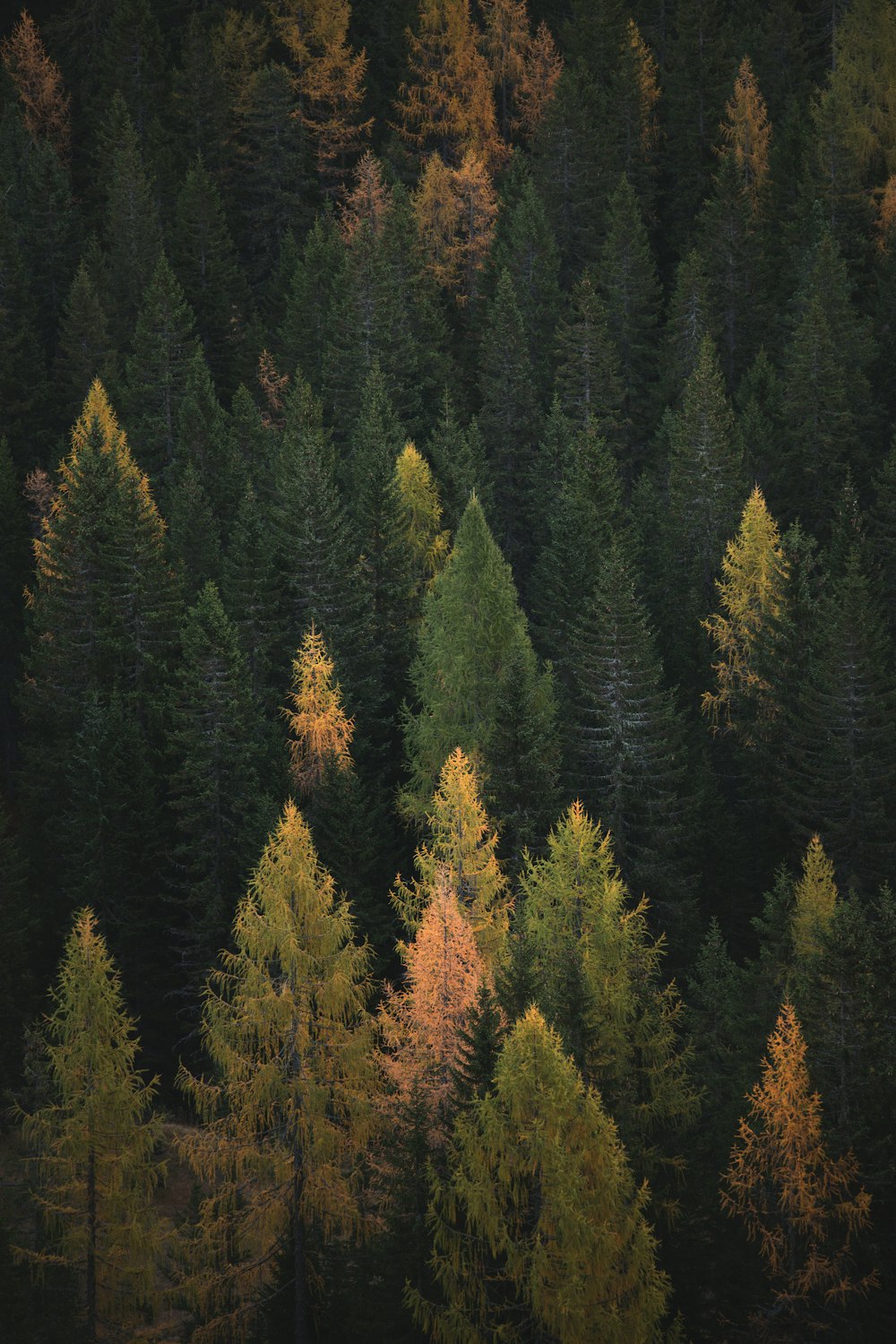
If you only have one trip and want to see "Canadian" Canada, mid-September is the consensus best week. The summer crowds have gone home, the weather is still warm during the day, the leaves are turning in Ontario and Quebec, and prices have dropped.
Climate by Region
Atlantic Canada: maritime, mild summers (around 20°C), foggy winters that rarely drop below -10°C. Halifax averages about 124 fog days a year.
Quebec and Ontario: continental. Hot, humid summers (Toronto and Montreal regularly hit 30°C), cold and snowy winters (-10 to -25°C). Spring is short; fall is glorious.
The Prairies (Manitoba, Saskatchewan, Alberta): the most extreme climate in the country. Winter -20 to -40°C, summer 25 to 35°C, very dry, very sunny year-round. The cold is dry, which makes it more bearable than damp Toronto cold at the same temperature.
British Columbia: wet, mild winters on the coast (Vancouver averages 6°C in January); hot dry summers (28°C in July). Mountain weather is its own thing.
The North: subarctic to Arctic. Yellowknife winters average -22°C; Whitehorse is milder. Summer days run 20 to 22 hours of daylight.
Getting Around
Canada is enormous, and the way to get between cities depends entirely on the corridor.
The Quebec City–Windsor corridor (Quebec City, Montreal, Ottawa, Toronto, Niagara, Windsor) has frequent VIA Rail service. The trains are comfortable, the stations are downtown, and the airport savings on a 4-hour journey often vanish once you account for transit and security at both ends. Toronto-Montreal in 5 hours; Toronto-Ottawa in 4.5; Montreal-Quebec City in 3.
The cross-Canada VIA Rail train (the Canadian) runs from Toronto to Vancouver three times a week and takes four days. It's a tourist experience rather than transportation.
Internal flights are essential outside the central corridor. Toronto-Calgary, Toronto-Vancouver, Toronto-Halifax: 4 to 5 hours each, multiple daily flights. Air Canada and WestJet are the major carriers, with discount carriers like Flair and Lynx Air on selected routes.
Buses (Megabus on the Toronto-Montreal-Ottawa corridor; Maritime Bus in Atlantic Canada; FlixBus in southern Ontario) are cheap but slow. Greyhound exited Canada in 2018 and has not returned.
Renting a car is cheap by international standards in most cities, more expensive in Vancouver. International driving licences are accepted for visitors. Most rental companies require drivers to be at least 21 (some 25) and charge surcharges for younger drivers. Most cars are automatic; manual transmissions are scarce.
Driving Notes
Canadians drive on the right. Speed limits are in kilometres per hour: 100 km/h on most highways, 50 in cities. Right turns on red are allowed everywhere except on the Island of Montreal. Seat belts are required for all passengers. Use of a handheld phone while driving is illegal in every province with significant fines.
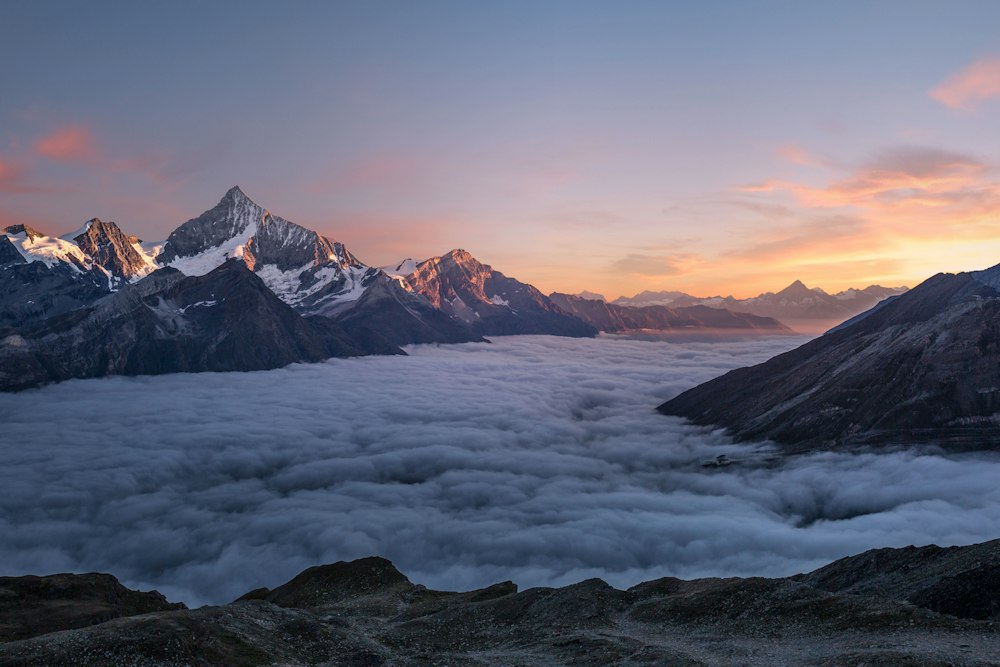
Winter driving is a serious skill. Quebec law requires winter tires from December 1 through March 15; British Columbia requires them on most highways October to April; the other provinces don't legally require them but you should have them. All-season tires are not winter tires.
Roadside assistance: CAA (Canadian Automobile Association) is reciprocal with AAA in the U.S. and many international auto clubs. Wildlife collisions, especially with deer and moose, are real risks at dawn and dusk on rural highways.
Cell Service & Internet
Canada has three major mobile carriers (Rogers/Fido, Bell/Virgin, Telus/Koodo) and a few regional ones. Prices for visitors are high by international standards. Roaming on a U.S. plan often works fine; many U.S. plans now include Canada. From elsewhere, an eSIM from one of the international providers (Airalo, Saily, Holafly) is usually cheaper than a Canadian SIM. Public Wi-Fi is widely available in cafes, hotels, libraries, airports, and on most VIA Rail trains.

Health & Safety
Canada is broadly safe. Violent crime is rare in tourist areas. The biggest practical risks for visitors are weather (winter exposure, summer wildfires) and wildlife on highways.
Health care is excellent but expensive for non-residents. Canada's universal medicare system covers Canadian residents only. Travel insurance with at least CAD $1,000,000 in medical coverage is essential. A single emergency-room visit can run thousands of dollars; a hospital stay, tens of thousands.
Pharmacies are widespread (Shoppers Drug Mart, Rexall, London Drugs in BC). Common over-the-counter medications are similar to U.S. and UK names. Prescription medications generally require a Canadian prescription.
Etiquette
Most of the politeness clichés about Canadians have some truth. People say "sorry" reflexively. They hold doors. They thank bus drivers when getting off. Loud, aggressive behaviour in public stands out and is not appreciated.

Topics to avoid until you know your audience: Quebec separation, Indigenous land claims, oil-sands development, federal-provincial politics. Topics that almost always work: the weather, hockey, where you've been in Canada and what you liked.
Restaurant etiquette: tipping (above), staying to chat after the bill arrives is fine, splitting bills is normal and the server will not be annoyed. In Quebec, opening with "bonjour" rather than "hello" is polite and almost always reciprocated in kind.
Sample Itineraries
One week, first-timer, summer
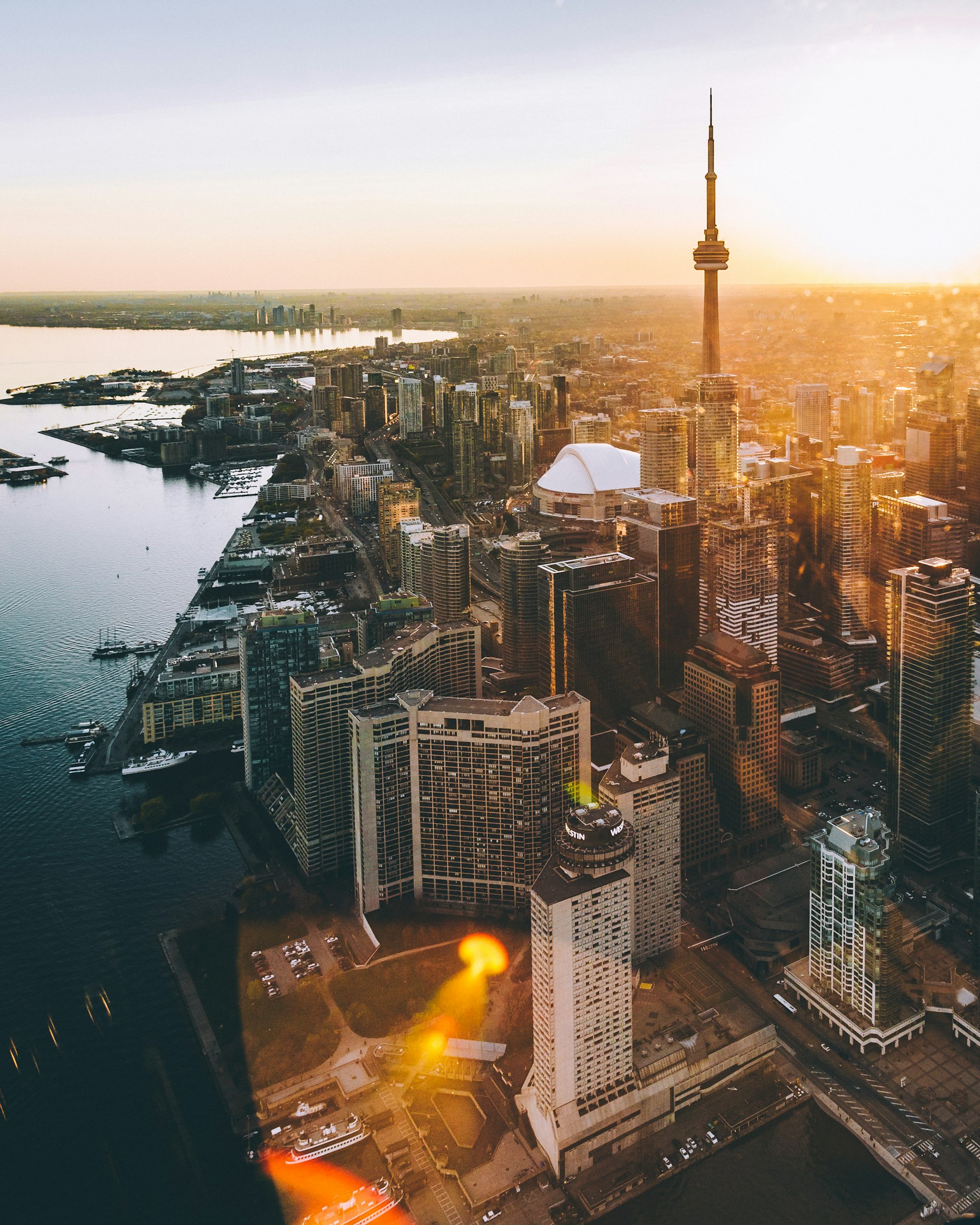
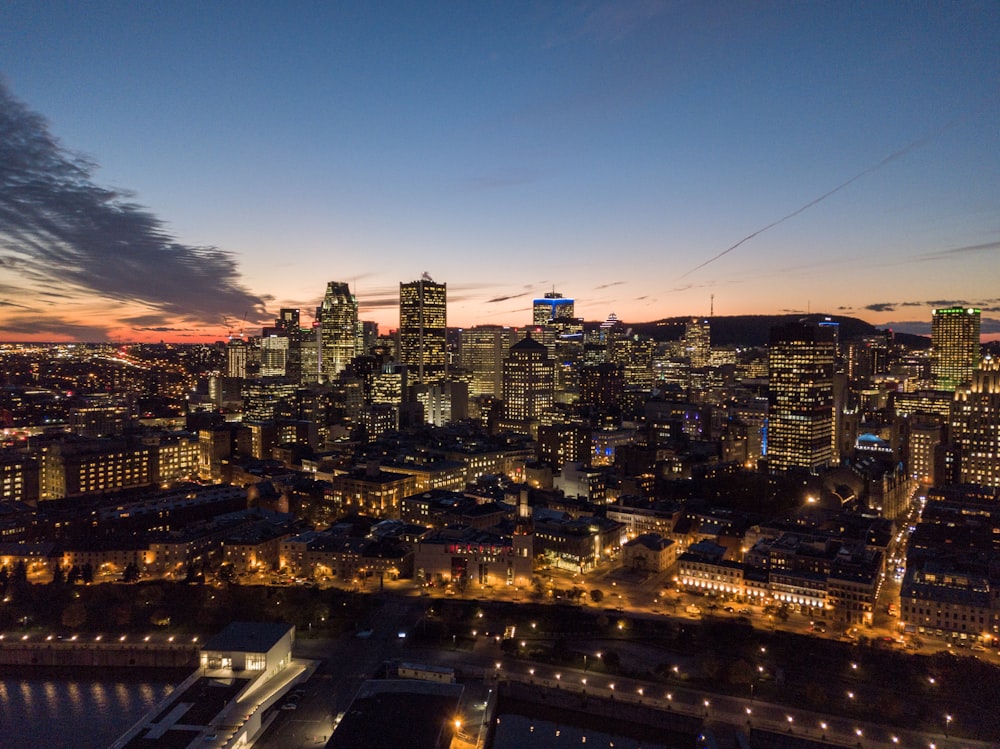
Three nights in Toronto (CN Tower, Niagara day trip, Distillery District), then VIA Rail to Montreal for two nights (Old Montreal, Mount Royal), then Quebec City for two nights (walled old town, day trip to Île d'Orléans).
Two weeks, the Rockies and the West
Two nights in Vancouver (Stanley Park, North Shore), drive the Sea-to-Sky Highway to Whistler for one night, then back south and east to Banff for three nights, the Icefields Parkway to Jasper for two nights, then south to Calgary for the flight home (or the Stampede if it's July).
Two weeks, the Atlantic
Fly into Halifax. Two nights there, then south shore to Lunenburg and Mahone Bay (one night), drive the Cabot Trail in Cape Breton (three nights), ferry to Newfoundland from North Sydney, drive across the island to Gros Morne (three nights), fly out of Deer Lake or St. John's.
What Locals Wish Visitors Knew
Canada is bigger than visitors expect. A "quick drive from Toronto to Banff" is two and a half days. Halifax to Vancouver is the same distance as London to Beirut.
Tipping is on top of tax, not the other way around.
"Canada Goose" jackets are the local stereotype but Canadians actually wear a lot of less expensive brands — Helly Hansen, Arc'teryx, Mountain Equipment Company, Roots, and the legitimately excellent Canadian-made brands like Kanuk and Quartz Co.
The maple leaf is everywhere but the Canadian flag with the maple leaf was only adopted in 1965. Older buildings often still have the older Red Ensign. Both are valid Canadian flags depending on your historical mood.
Most provincial liquor stores are government-run (LCBO in Ontario, SAQ in Quebec, NSLC in Nova Scotia). They have the broadest selection. Grocery stores carry beer and wine in some provinces; private liquor stores are common in Alberta and BC.
Province & Territory Tips
Every corner of Canada rewards a little local knowledge. Here are the insider tips our writers and contributors have gathered from time on the ground in each province and territory.
🍁 British Columbia
- Ferry timing is everything. BC Ferries sailings between Tsawwassen and Swartz Bay fill up fast on summer long weekends. Book online at least two weeks ahead — walk-on passengers are fine, but vehicles need a reservation or you may wait three sailings.
- Cash for Okanagan farm stands. The Okanagan Valley's roadside fruit stands and farmgate wineries are among the great pleasures of BC summers, but many are cash-only. Stop at an ATM before you leave the highway.
- Bear canisters in the backcountry. If you're camping in BC's provincial or national parks, a bear-proof food canister (or hanging system) is mandatory in many areas and expected everywhere. Warden fines are real.
🍁 Alberta
- Book Banff and Jasper accommodations nine to twelve months ahead. The national parks are Canada's most visited and summer rooms go faster than anywhere else in the country. If you miss the window, Canmore (15 minutes from Banff's gate) has more inventory at lower prices.
- No provincial sales tax, but park fees apply. Alberta's lack of PST is a genuine saving — factor it in when comparing prices. However, Parks Canada day passes and annual Discovery Passes are non-negotiable for vehicles entering Banff or Jasper.
- Chinook wind preparation. In Calgary and southern Alberta, a chinook can raise temperatures 20°C in a matter of hours in winter. Dress in layers; what starts as a −20°C morning can become a +5°C afternoon.
🍁 Saskatchewan
- The badlands reward early rising. Dinosaur Provincial Park near Brooks (a day trip from Saskatchewan) and the Royal Tyrrell Museum are best in the golden hour just after sunrise — fewer crowds and the sedimentary layers glow. Bring water; the coulees get hot fast.
- Grain-elevator towns are disappearing. Saskatchewan still has some of Canada's last standing wooden grain elevators — Inglis, Neville, Morse. They're becoming rarer every year. A detour to see one is a piece of Canadian history that may not survive the decade.
- Dark sky is world-class. The province has some of Canada's least light-polluted skies. Grasslands National Park in the southwest is an official Dark Sky Preserve with exceptional Milky Way and meteor shower viewing from late July through September.
🍁 Manitoba
- Churchill requires planning — and flexibility. Getting to Churchill (the polar bear and beluga whale capital) means flying or taking the VIA Rail train from Winnipeg (two nights each way). The train is occasionally delayed by days due to track conditions. Budget extra time and travel insurance.
- The Forks is the best free afternoon in Winnipeg. The junction of the Red and Assiniboine rivers has been a meeting place for 6,000 years. The market, the river walks, the skate trail in winter, and the new Canadian Museum for Human Rights are all within a ten-minute walk.
- Festival season is June through August. Winnipeg punches above its weight in festivals: the Fringe Theatre Festival (largest in North America by attendance), Folklorama, and Jazz Winnipeg all run in summer. Book accommodation well in advance during Fringe (late July/early August).
🍁 Ontario
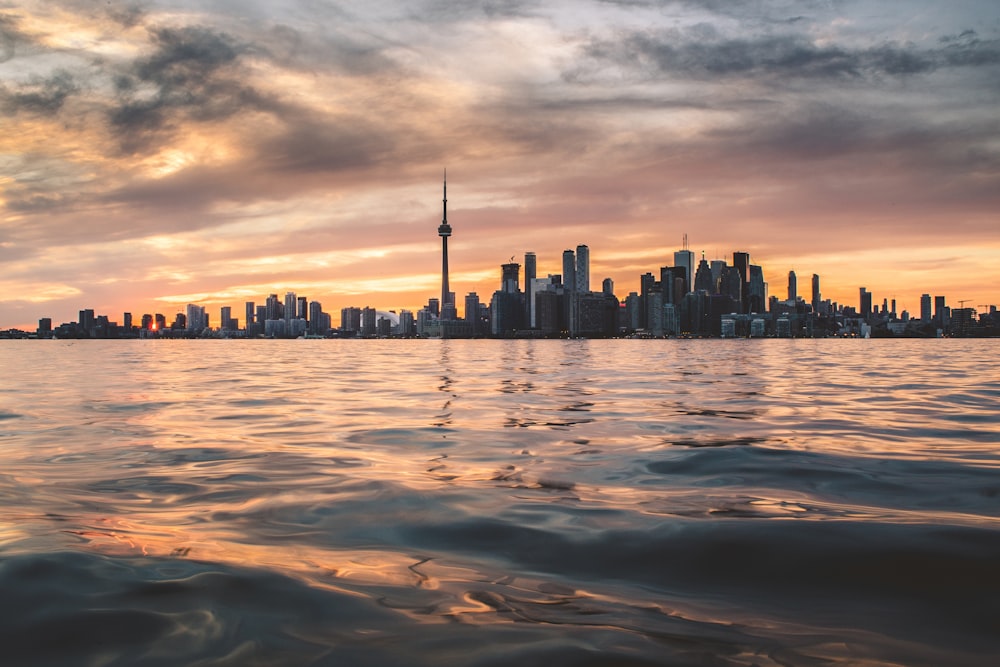
- Toronto's transit is good in the core, patchy outside it. The TTC subway covers downtown well. For Niagara (a day trip from Toronto), rent a car or take the GO train to Niagara Falls — it runs seasonally on weekends. A car is essentially required for Muskoka and cottage country.
- Niagara Falls: Canadian side is the right side. Most first-timers cross to the U.S. side without realising that the view of both falls together is from the Canadian side. Stay on the Ontario side of the border for the famous panorama shot from Queen Victoria Park.
- The LCBO closes early. Ontario's government liquor stores (LCBO) and Beer Store locations close at 10 p.m. on weekdays, and some earlier on Sundays. If you need a bottle for the cottage, plan ahead — the selection is excellent, but the hours are unforgiving.
🍁 Quebec
- Open with "bonjour." In Montréal and especially in Québec City and rural Quebec, starting an interaction in English without a greeting is considered abrupt. "Bonjour" opens every door; most service staff in tourist areas are comfortably bilingual and will follow your lead from there.
- Winter Carnival is the world's largest. Québec City's Carnaval de Québec (late January to mid-February) is the largest winter festival on earth. Book hotels a year in advance for the first two weekends. The ice canoe race on the St. Lawrence is the highlight no guidebook adequately describes.
- SAQ for wine, dépanneur for beer. Quebec's Société des alcools du Québec (SAQ) has an excellent wine selection. Beer and some lighter drinks are available at dépanneurs (convenience stores) and grocery stores — a Quebec convenience that doesn't exist in most other provinces.
🍁 New Brunswick
- Time the Bay of Fundy tides. The Bay of Fundy has the highest tides on Earth — up to 16 metres between low and high at Hopewell Rocks. You can walk on the ocean floor at low tide and kayak among the same rock formations six hours later. Download the tide table before you go; arriving at the wrong time means missing the main event.
- Bilingualism is genuine. New Brunswick is Canada's only officially bilingual province. In Moncton and the Acadian Peninsula, many residents are more comfortable in French. Attempting even basic French phrases (bonjour, merci, s'il vous plaît) is warmly received.
- The Fundy Trail Parkway is underrated. One of the most spectacular coastal hikes in Atlantic Canada, with old-growth forest and dramatic sea cliffs, yet far less visited than Cape Breton or Gros Morne. If you have two days in New Brunswick, one of them belongs here.
🍁 Nova Scotia
- Drive the Cabot Trail clockwise. The Cabot Trail around Cape Breton Highlands National Park is one of the world's great coastal drives. Going clockwise (from Baddeck, counterclockwise is the usual direction from the tourist maps) puts your car on the mountain side with ocean views to your left — the preferred position for the dramatic switchbacks on the west.
- Lobster suppers in the off-season are better. The church-hall lobster suppers of PEI get all the press, but Nova Scotia's are cheaper, less crowded, and served later into the fall season. The Shore Club in Hubbards is the classic; the Knot Pub in Lunenburg is excellent as well.
- Halifax is a walking city. The waterfront boardwalk, the Halifax Citadel, the Public Gardens, Pier 21, and the Seaport Farmers' Market are all within 30 minutes on foot from the hotel district. Don't rent a car for the city — use your feet and the Halifax Transit bus.
🍁 Prince Edward Island
- The lobster supper season is June to October. PEI's famous church-hall and restaurant lobster suppers are a genuine institution, not a tourist trap. New Glasgow Lobster Suppers and St. Ann's Church in Hope River are the originals; show up early or expect a wait.
- A car is essentially mandatory. Outside Charlottetown, there is almost no public transit on PEI. The Island's greatest pleasures — red sand beaches, north shore drives, the Points East Coastal Drive — require a vehicle. Rent one before you arrive; inventory is limited in summer.
- The Confederation Trail is exceptional for cycling. The 470-km rail-trail running the length of the island is one of Canada's best cycling routes. Bike rental shops in Charlottetown and Cavendish offer half-day to multi-day packages, and the mostly flat terrain makes it manageable even for casual cyclists.
🍁 Newfoundland & Labrador
- Newfoundland is on its own time zone. Newfoundland Standard Time is UTC−3:30 — thirty minutes ahead of the Maritime provinces and ninety minutes ahead of Ontario. It's a real thing, not a joke. Set your phone and recheck ferry times with local time in mind.
- The Iceberg Season is May to early July. Icebergs calving from Greenland drift down the Labrador Current and ground themselves along the northeast coast — particularly around Twillingate, Bonavista, and St. Anthony. Iceberg Quest and other operators run dedicated tours. Peak sightings are usually late May to mid-June.
- Moose collisions are the province's most dangerous road risk. Newfoundland has one of the highest moose densities in North America, and they're invisible at dusk on unlit highways. Drive with extreme caution between sunset and sunrise, especially on TCH west of Gander and on the Northern Peninsula.
🍁 Yukon
- The Alaska Highway is only the beginning. Most visitors enter the Yukon on the Alaska Highway from BC, which is spectacular but not the whole picture. The Dempster Highway north from Dawson City is one of the world's great wilderness drives, crossing the Arctic Circle to Inuvik. Allow at least three days, carry two spare tires, and tell someone your itinerary.
- Midnight sun is disorienting. In June and early July, Whitehorse has about 20 hours of daylight and Dawson City has even more. Bring good blackout curtains or a sleep mask — the sun genuinely does not set, and your body will not naturally wind down without help.
- Kluane National Park is world-class and uncrowded. Kluane has the largest non-polar ice field in the world and some of North America's most dramatic backcountry hiking — yet sees a fraction of the traffic of Banff or Jasper. Fly-in glacier trips with Icefield Discovery are a once-in-a-lifetime experience for the right traveller.
🍁 Northwest Territories
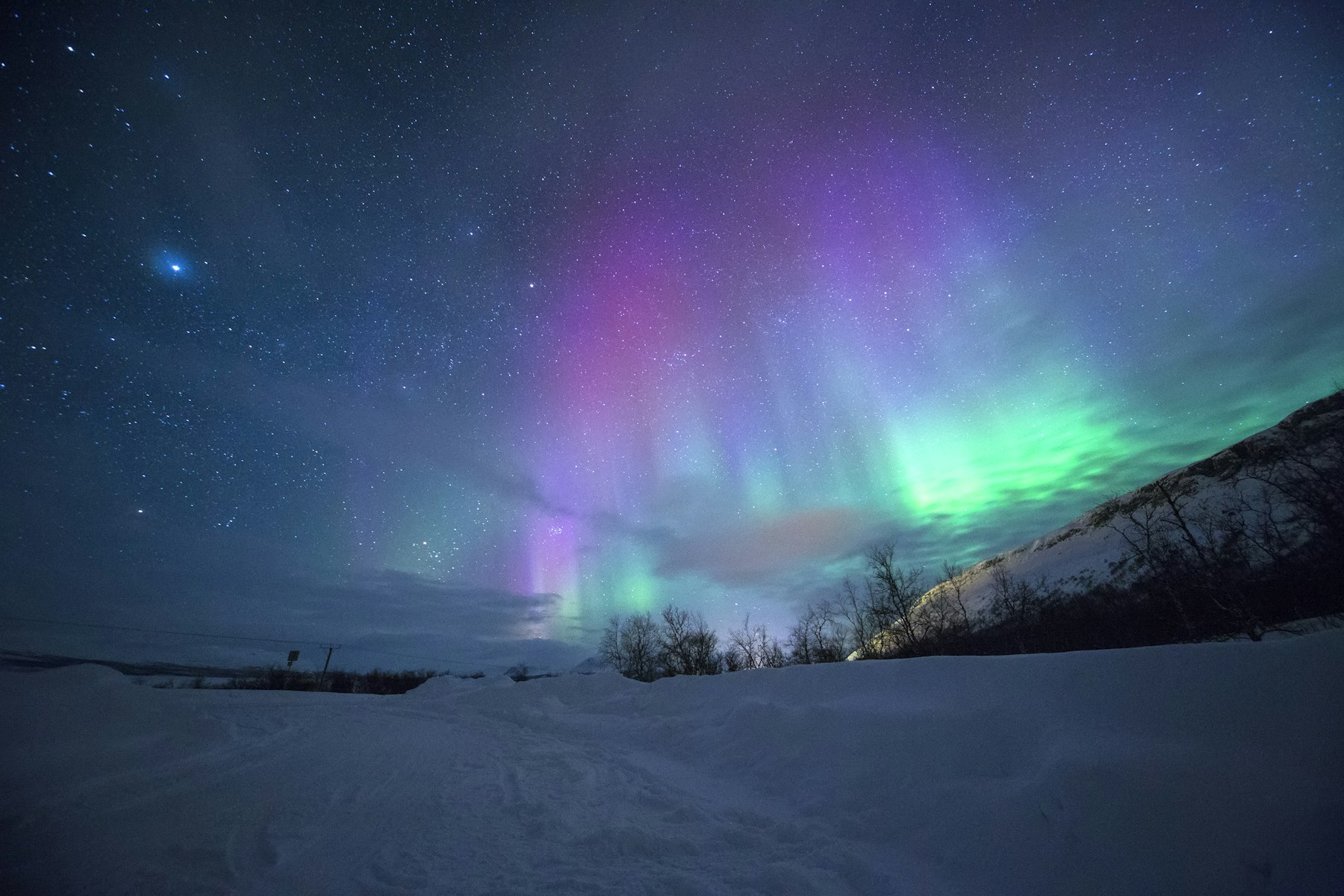
- Yellowknife's Aurora window is December to March. The best Aurora Borealis viewing in Canada is from Yellowknife, which sits directly under the auroral oval. The sweet spot for activity is around 11 p.m. to 2 a.m. in the darkest months. Aurora Village and many Yellowknife operators offer heated tee-pee watching stations, which matters at −35°C.
- Ice road timing is unpredictable. The ice road on Great Slave Lake that connects Yellowknife to communities and diamond mines opens anywhere from late December to mid-January and closes in late March. If your plans depend on it, check NT road reports the week before and build in a buffer.
- Cultural protocol matters in small communities. Many NWT communities outside Yellowknife are small and tight-knit, with Dene or Inuvialuit cultural protocols around photography, entering certain spaces, and interacting with elders. Ask before photographing, follow your host's lead, and approach with genuine respect rather than tourist curiosity.
🍁 Nunavut
- Everything costs more and takes longer. In Nunavut, a bag of apples can cost $10, a flight from Iqaluit to Resolute Bay can cost $2,000 or more, and a bag lost in transit can take a week to follow you. Pack meticulously, budget generously, and hold your plans loosely — weather delays are a fact of Arctic travel, not an exception.
- Guided travel is strongly recommended. Outside Iqaluit, independent travel in Nunavut requires serious wilderness experience. The landscape is extraordinary but unforgiving — no cell service, no roads, extreme weather, and genuine polar bear territory. Travel with an Inuit guide who knows the land; operators like Arctic Kingdom and Adventure Canada are the established choices.
- Respect for Inuit culture is non-negotiable. Nunavut is Inuit Nunangat — Inuit homeland. Approach every interaction with genuine humility. Ask before photographing people, learn the pronunciation of the community you're visiting (Iqaluit is "ee-KAL-oo-it"), and buy Inuit-made art directly from artists or legitimate co-ops rather than souvenir shops selling imitations.