Nunavut — Our Land
Capital: Iqaluit · Population: approximately 40,000 · Became a territory: 1999
Nunavut is the part of Canada most southerners don't really understand exists. It's vast — 2 million square kilometres — and almost entirely beyond the road system of the country. Its 25 communities are spread across the Arctic mainland and the islands of the Canadian Arctic Archipelago, including Baffin, Ellesmere, Devon and Victoria. The territory was carved out of the Northwest Territories in 1999 as the result of decades of land-claim negotiation, and it remains the largest political division in the world that's governed primarily by Indigenous people.
Visiting Nunavut is not a casual trip. Flights are expensive (a return ticket from Ottawa to Iqaluit can cost more than a flight to Europe), accommodation is limited and basic, weather is extreme, and the culture is genuinely different from anywhere else most travellers have been. But for visitors who do make the trip, almost without exception they describe it as among the most memorable travel experiences of their lives.
A Compact History
The Inuit and their predecessor cultures (the Dorset and the Thule) have lived in the Arctic for at least 4,000 years. European contact began with Martin Frobisher's voyage to Baffin Island in 1576. The Hudson's Bay Company arrived in the 1600s. Permanent European settlement was minimal until the 20th century. The federal government's relocation of Inuit families to High Arctic communities in the 1950s — including the deeply controversial Resolute Bay and Grise Fiord relocations — was officially apologized for in 2010. The Nunavut Land Claims Agreement, signed in 1993, was the largest Indigenous land claim settlement in Canadian history; it created the territory of Nunavut six years later.
Iqaluit

Iqaluit is the territorial capital, population about 7,500, and the only community in Nunavut with anything resembling typical urban infrastructure. It sits on the southern end of Baffin Island on Frobisher Bay, which has the second-highest tides in the world after the Bay of Fundy.
What's it actually like?
Smaller than visitors expect, more functional than they expect, and very expensive. The Frobisher Inn or Discovery Lodge are the main hotels — both basic but adequate. There are several restaurants serving country food (caribou, arctic char, muktuk — whale skin and blubber) alongside more conventional food. The Nunatta Sunakkutaangit Museum has the best small collection of Inuit art in the country. The Legislative Assembly building, opened in 1999, is open for tours when the assembly isn't sitting.
Why are prices so high?
Everything has to be shipped in — either by sealift in late summer or by air. A two-litre carton of milk in Iqaluit costs around CAD $9; a head of lettuce can be CAD $7. The federal government's Nutrition North subsidy reduces the cost of a basket of basic foods, but the territory remains by far the most expensive place to live in Canada.
How do I get to Iqaluit?
Fly. Canadian North operates daily direct flights from Ottawa (about 3 hours) and several times a week from Yellowknife and Rankin Inlet. There is no road, no rail, and only a brief sealift season in late summer that's strictly cargo.
What's the weather like?
Cold, with two important caveats. Iqaluit's winter (October through May) sees average highs of -20°C with regular -30°C cold snaps. Summer (June through August) sees highs of 8-12°C and 24-hour daylight in June. Spring (April-May) and fall (September) are short and unpredictable. Wind chills are extreme — you can lose feeling in fingers in minutes if you're not dressed for it.
Most Popular Museum: Nunatta Sunakkutaangit Museum
The Nunatta Sunakkutaangit Museum — "Our Land, Our Things" in Inuktitut — in Iqaluit is the primary cultural institution of Nunavut's capital, housed in an original Hudson's Bay Company warehouse from the early trading post era. The collection covers traditional Inuit clothing, tools, carvings, and domestic objects from across Nunavut, with particular strength in the Baffin Island material culture of the 19th and early 20th centuries. The carved bone and ivory tools — needles, ulus, fish spears, snow knives — are objects that bridge utilitarian function and aesthetic refinement in ways that European museum categories struggle to classify.
The museum's contemporary art section gives context to the Cape Dorset print tradition — the internationally collected Kinngait Studios works have their roots in the same visual culture that produced the artifacts on the other side of the gallery. Admission is by donation, and the staff — usually Inuit — provide interpretation that no signage can replicate.
Your Best 5 Days in Iqaluit
Iqaluit is a city of around 8,000 people on the southern shore of Frobisher Bay — the capital of a territory the size of Western Europe. It is expensive, remote, and genuinely fascinating: the coexistence of modern bureaucratic infrastructure and Inuit cultural life operating on the same block produces an atmosphere that is unlike anywhere else in Canada.
Arrival & Nunatta Sunakkutaangit Museum
Fly into YFB (Iqaluit Airport, served by Canadian North from Ottawa and Montreal). Walk Iqaluit's main commercial street and the waterfront on Frobisher Bay. Afternoon at the Nunatta Sunakkutaangit Museum. Look for country food at the Aqsarniit Market. Dinner at the Storehouse Bar and Grill, Iqaluit's most reliable restaurant.
Sylvia Grinnell Territorial Park
Walk or take a cab to Sylvia Grinnell Territorial Park, 10 minutes from downtown — a river and waterfall system that empties into Koojesse Inlet with Arctic char visible in the pools in late summer and fall. The tundra here, in July, is carpeted in Arctic cotton, Labrador tea, and crowberries. Pack a lunch and spend a half-day on the trails; the hills above the falls give views back over the city and Frobisher Bay that clarify the scale of the Arctic landscape.
Apex & the Former HBC Post
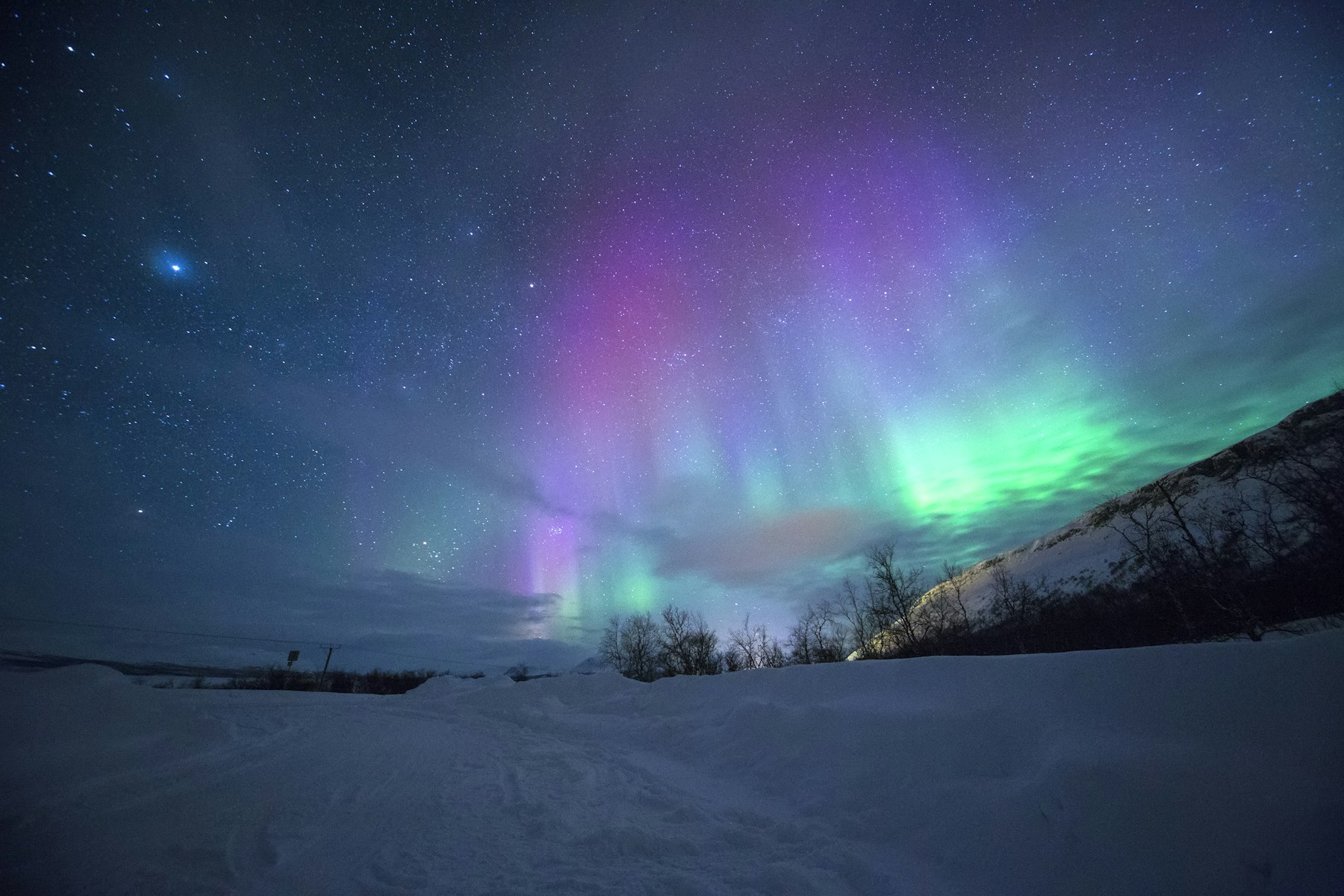
Walk or drive 5 km to Apex — the oldest continuously inhabited community at Frobisher Bay, predating the current city. The hamlet retains older wooden buildings, sled dogs, and a quieter pace than central Iqaluit. The former Hudson's Bay Company post building (which now houses the museum on the main side) and the ruins of the original American DEW Line construction camp are visible at the margins of the town. Aurora viewing from the Apex headland in clear winter nights is excellent.
Inuit Art Galleries
Iqaluit has several galleries selling Inuit art directly from artists and co-operatives. The Iqaluit Art Gallery on the main road and the Uqqurmiut Centre for Arts and Crafts in Cape Dorset (accessible by charter flight, one hour) sell directly. If staying in Iqaluit, local artists sometimes sell from home — hotel staff can connect visitors. Cape Dorset (Kinngait) is the apex of the Inuit print tradition; if a day trip is feasible, the Kinngait Studios itself occasionally allows visits by arrangement.
Baffin Bay & Departure
Hire a local guide for a boat or ATV tour to the outer tidal flats of Frobisher Bay — seals are common, narwhals appear in July, and polar bears cross the sea ice in spring. The Inuit guide companies operating out of Iqaluit include Arctic Kingdom and Polar Sea Adventures, both with strong safety records. Return to YFB for the evening flight south; the aerial view of Frobisher Bay's fiord arms and the Baffin Island plateau from the plane window is itself worth the trip.
Pond Inlet & Northern Baffin
Pond Inlet, on the northern tip of Baffin Island, is one of the most spectacularly situated communities in the world. The Bylot Island ice cap and the cliffs of Sirmilik National Park rise straight out of the sea ice across the bay. Narwhal, beluga, and bowhead whales pass through the strait every summer. Outfitters in Pond Inlet run floe-edge tours in May and June — you camp on the ice next to the open water and watch wildlife move through. It is one of the great wildlife experiences in North America.
Most Popular Museum: Nattilik Heritage Centre
The Nattilik Heritage Centre in Gjoa Haven (Taloyoak), on King William Island in Nunavut's Kitikmeot region, is named for the Netsilik Inuit people who have inhabited the region for thousands of years. The centre's collection covers traditional Netsilik material culture — the skin clothing, bone tools, and sleds designed for life on the sea ice — in the context of one of the most extraordinary episodes in Arctic exploration: the 1903–06 Northwest Passage navigation by Roald Amundsen, who overwintered at Gjoa Haven and recorded, with uncommon care and respect, the Netsilik way of life that sustained his expedition. The museum's interpretation of that encounter — what Amundsen learned and what the Netsilik experienced — is the most balanced account of any in Nunavut.
Your Best 5 Days in Northern Baffin
Northern Baffin Island is the most remote of Nunavut's inhabited regions — Pond Inlet (Mittimatalik) on Eclipse Sound looks north across to Devon Island, one of the world's largest uninhabited islands. Access is by charter or scheduled flight from Iqaluit; the reward is a landscape and culture that few southerners ever encounter.
Pond Inlet Arrival
Fly to Pond Inlet from Iqaluit (1 hour). The community of about 1,600 people sits on a gravel spit above Eclipse Sound with the Bylot Island mountains visible across the water in most weather. Register with the hamlet office and connect with your guide. Walk the hamlet and the shoreline; narwhals enter Eclipse Sound in summer and are often visible from shore with binoculars.
Bylot Island & Sirmilik National Park
Bylot Island, directly across from Pond Inlet, is almost entirely within Sirmilik National Park and is one of the most significant seabird nesting sites in the Arctic — thick-billed murres, black-legged kittiwakes, northern fulmars, and glaucous gulls nest in the cliff faces above the tidal flats. Boat or snowmobile tour (season-dependent) to the island; polar bears are present and guides are essential.
Narwhal Watching
Eclipse Sound is the best place in the world to observe narwhals in relatively accessible conditions. The community of Pond Inlet has been refining wildlife tourism infrastructure and guide certification for years. A boat trip into the sound in July or August, with a knowledgeable Inuit guide who can read the ice and the tidal patterns, produces encounters with narwhals at close range that are not available anywhere else.
Tununirusiq & Traditional Skills
Several Pond Inlet community organizations offer half-day or full-day traditional skills workshops — igloo construction (March), muktuk preparation, drum dance, or qajaq (kayak) paddling in summer. These are not performances but practised skills; the participants learn and the hosts share what they know. Contact the Hamlet of Pond Inlet's economic development office several weeks in advance to arrange.
Departure
Morning walk on the tidal flats as the tide retreats — the sediment patterns and the marine invertebrates visible in the shallows are the kind of detail that northern guides notice and visitors miss. Charter flight back to Iqaluit for connection south. The flight path south over the Baffin Mountains and the Meta Incognita Peninsula is extraordinary in clear weather.
Auyuittuq National Park
Auyuittuq, on the eastern coast of Baffin Island near Pangnirtung, is one of two National Parks in Nunavut and the easiest one to access. The Akshayuk Pass is a 100-kilometre traverse through some of the most dramatic granite-and-glacier mountain country on Earth — Mount Asgard and Mount Thor (which has the world's highest vertical drop, 1,250 metres) are both inside the park. Most trekkers hire an outfitter from Pangnirtung; the trek takes 8 to 12 days.
Most Popular Museum: Pangnirtung Visitor Interpretive Program
Pangnirtung ("Pang"), the gateway community to Auyuittuq National Park, has no formal museum in the conventional sense, but the Auyuittuq National Park visitor centre in Pang provides the most thorough interpretation of the park's extraordinary geology — the granite plutons of the Penny Highland, the glaciers that still cover more than a third of the park's area, and the Akshayuk Pass that has served as a travel route for Inuit hunters for thousands of years. The park's interpretive staff — some Inuit — integrate the geoscience with the oral history of the pass in ways that the Parks Canada signage alone doesn't capture.
Pangnirtung's community is also known for its print and weaving studios — the Uqqurmiut Centre for Arts and Crafts produces tapestries from Baffin Island wool and Arctic hare fur that have been exhibited in galleries across North America. Visiting the studio is itself an interpretive experience in the arts tradition that parallels Kinngait's print production.
Your Best 5 Days at Auyuittuq
Auyuittuq ("the land that never melts") is for wilderness travellers who can carry their own weight across serious terrain. The Akshayuk Pass traverse is a multi-day backpacking route through the heart of the park. These five days assume the Pang base camp approach for day hiking and a park interior day.
Pangnirtung & Fjord Approach
Fly to Pangnirtung from Iqaluit (50 minutes). Visit the park visitor centre and register. Take the community boat (seasonal, June–October) up Pangnirtung Fjord to the Overlord trailhead — the fjord transit itself, with cliffs rising 900 m from the water, is worth the trip before the trail begins. Camp at Overlord or return to Pang for accommodation.
Akshayuk Pass Day Hike
Hike the Akshayuk Pass from Overlord toward Summit Lake (30 km return if going to the lake; a shorter out-and-back gives the pass geography). The pass is flanked by Mount Asgard — the double-summited granite tower whose north face was used in a James Bond film — and Mount Thor, whose west face is the world's greatest vertical drop (1,250 m, 105 degrees off vertical). Both are visible from the pass floor.
Crater Lake & Glacier Margin
Hike to one of the glacial lake systems visible from the pass — the blue-green meltwater ponds at the glacier margins are the most photogenic elements of Auyuittuq. Glacier recession over the past 50 years has exposed new terrain annually; the parks staff know which moraines are new and can orient day hikers to the most dramatic recent changes.
Uqqurmiut Arts Centre
Return to Pangnirtung and spend the day at the Uqqurmiut Centre for Arts and Crafts — the weavers, carvers, and printmakers who work here are among the most accomplished Indigenous artists in Canada. The centre sells directly; prices are fair and the provenance is unambiguous. Walk the Pangnirtung hamlet and eat at the co-op restaurant — muktuk and bannock, if available.
Cumberland Sound & Departure
Cumberland Sound between Baffin Island and the Cumberland Peninsula is one of the most important bowhead whale habitats in the Eastern Arctic. A morning boat tour from Pang into the sound — when bowheads are present, the sight of 60-tonne animals surfacing 100 metres from a small boat is unforgettable. Charter flight back to Iqaluit for connection south.
Cambridge Bay & the Western Arctic
Cambridge Bay, on Victoria Island, is the largest community in the Kitikmeot region (Western Nunavut), population about 1,800. It's the main hub for Northwest Passage research and tourism. Cruise ships transit the passage in late August through early September; small-ship expedition cruises are increasingly the most accessible way for visitors to see this part of the territory.
Most Popular Museum: Canadian High Arctic Research Station
The Canadian High Arctic Research Station (CHARS) in Cambridge Bay, opened in 2020, is the flagship science facility of Canada's Arctic research program and the most significant new Arctic infrastructure investment in decades. While it is primarily a research institution rather than a public museum, CHARS conducts regular community open houses and educational programming that provide the best introduction to the science — permafrost monitoring, sea ice ecology, climate modelling, and marine biodiversity — that is making the Western Arctic one of the most intensively studied climate environments on Earth. The building itself, designed for Arctic conditions with passive solar design, triple-glazed curtain walls, and a biomass boiler, is an architectural achievement in its own right.
The Kitikmeot Heritage Society in Cambridge Bay maintains a community archive and cultural collection covering the Netsilik, Copper Inuit, and Inuinnait peoples of the Western Arctic — the overlapping cultural groups whose traditional territories converge around Victoria Island and the Coronation Gulf coast.
Your Best 5 Days in the Western Arctic
Cambridge Bay is the administrative and commercial hub of Nunavut's Kitikmeot region — the part of the territory that opens toward Victoria Island and the Northwest Passage. The Canadian High Arctic Research Station and the area's role in the Franklin Expedition searches make it a centre of both scientific and historical interest.
Cambridge Bay Arrival & CHARS
Fly into Cambridge Bay from Yellowknife (2 hours). Visit CHARS during its public programming hours (contact in advance). Walk the waterfront — the wreck of the Maud, Roald Amundsen's expedition ship that he used for Arctic Ocean drift research after the Northwest Passage, rests on the seafloor 200 metres offshore and is visible in clear conditions from the dock.
Freshwater Creek & Tundra Walk
Walk the Freshwater Creek trail system north of town — the Arctic tundra here, in July, is covered in Arctic poppies, purple saxifrage, and mountain avens. Musk oxen are sometimes visible on the ridges above town. The bay ice in spring (May) is particularly dramatic, with pressure ridges and melt ponds creating an abstract landscape that has no southern equivalent.
Franklin Expedition Search Sites
The waters around Cambridge Bay were the focus of decades of Franklin Expedition searches, culminating in the 2014 and 2016 discoveries of HMS Erebus and HMS Terror in the central Arctic. A guided boat tour from Cambridge Bay visits the area where the expedition's last overland survivors were found — the Starvation Cove and Todd Island sites are accessible in summer by small boat. Parks Canada's Arctic Archaeology program has a seasonal presence in Cambridge Bay in July–August.
Victoria Island Day Trip
Victoria Island, directly north of Cambridge Bay across the strait, is the world's eighth-largest island and one of the least-visited landmasses in Canada. A charter ATV or boat trip to the nearest Victoria Island shoreline gives access to musk oxen, Arctic fox, and the distinctive copper-bearing mineral outcrops that gave the Copper Inuit their name — the copper tools they fashioned from float copper deposits found on the island's beaches.
Kitikmeot Arts & Departure
The Kitikmeot Heritage Society's cultural office connects visitors with local carvers and artisans working in the Copper Inuit tradition — the distinctive style using copper, soapstone, and bone. Morning at the community cultural centre, then charter or scheduled flight west to Yellowknife or east to Iqaluit for connections south.
Nunavut FAQs
What's Inuktitut?
The primary Inuit language of Nunavut, spoken by about 70 percent of residents. It's an official language of the territory alongside English and Inuinnaqtun (a related Inuit language) and French. Government services are available in all four. The writing system uses syllabics — a series of geometric symbols that may be unfamiliar to southern visitors but is taught in every Nunavut school.
Will I see polar bears?
Possibly, but it's not as predictable as Churchill, Manitoba. Polar bears are present across the territory but at lower densities than the Hudson Bay coast. Outfitters out of Pond Inlet, Resolute, and Arctic Bay run dedicated bear-viewing trips that have a high success rate.
How safe is travel in Nunavut?
From the perspective of crime against visitors, very safe — communities are tight-knit and crime against outsiders is extremely rare. From the perspective of weather and isolation, you need to take it seriously. Always travel with a local guide outside community limits. Polar bears are a real risk in many places.
Is Nunavut suitable for casual tourists?
It's not a casual destination. Costs are high, distances are long, infrastructure is limited, and self-guided travel is risky. Most successful visits are organized through specialized northern operators (Adventure Canada, Arctic Kingdom, Black Feather, and a number of community-based outfitters). Plan a year ahead.
What's a sealift?
The annual cargo ship that brings most of the year's bulky supplies (vehicles, building materials, non-perishable food, fuel) to each Nunavut community when the sea ice retreats in late summer. Anything not on the sealift has to come by air at much higher cost. Communities track sealift schedules the way southern cities track weather.
Education & Post-Secondary Institutions
Canada's newest territory, Nunavut has a developing post-secondary system focused on making higher education accessible in a territory where communities are separated by vast distances and accessible only by air. Emphasis is placed on Inuit language, culture, and northern-relevant skills.

Nunavut Arctic College (NAC)
Nunavut's primary post-secondary institution, offering certificate and diploma programs in teacher education, nursing, social work, business, trades, and Inuit studies. NAC's Nunavut Teacher Education Program (NTEP) trains Inuit teachers for the territory's schools. The Pirurvik Centre in Iqaluit focuses on Inuktitut language revitalization.

Nunavut Law Program
A partnership between Nunavut Arctic College, the University of Saskatchewan, and Dalhousie University, this program trains lawyers in Nunavut with an emphasis on northern and Indigenous law. It is a critical response to Nunavut's severe shortage of legal professionals.
Distance Learning Partnerships
Many Nunavummiut pursue degrees through Athabasca University, the University of Manitoba, and other institutions offering strong distance programs. The territorial government provides scholarships and bursaries to support residents pursuing post-secondary education in the south or via distance.
Pirurvik Centre & Inuit Uqausinginnik Taiguusiliuqtiit (IUT)
The Pirurvik Centre is Nunavut's leading institution for Inuktitut language revitalization, offering immersive language courses for Inuit and non-Inuit residents alike. The Inuit Uqausinginnik Taiguusiliuqtiit (the Inuit Language Authority) oversees the standardization and promotion of Inuktut across all its dialects — Inuktitut, Inuinnaqtun, and others — and is a crucial institution for preserving the linguistic heritage of Canada's Arctic peoples.
Nunavut faces some of the most acute educational challenges of any jurisdiction in Canada. Graduation rates from high school remain significantly below the national average; the territory has one of the lowest post-secondary attainment rates in the country. The causes are structural — poverty, overcrowded housing, food insecurity, community trauma — and the solutions require not just educational investment but a broader commitment to Inuit well-being. The territorial government's Inuusiqataujubamut (Education Act, 2008) set an ambitious target for Inuktut instruction in schools; implementation has been slower than the legislation envisioned, but the direction is clear. Education in Nunavut is inseparable from the larger project of Inuit self-determination.


Sports Teams & Athletic Culture
Nunavut is the only Canadian jurisdiction where Inuit traditional games are the primary sporting tradition. The Arctic Winter Games and community-level competitions sustain an athletic culture rooted in practical Arctic skills.
INUIT GMS
Inuit Traditional Games
The Inuit traditional games — one-foot and two-foot high kicks, kneel jump, blanket toss, arm pull — were developed over centuries as tests of strength and agility needed for Arctic survival. They are practiced today as both sport and living cultural preservation.
AWG NU
Nunavut at the Arctic Winter Games
Nunavut sends athletes to the biennial Arctic Winter Games to compete against Alaska, NWT, Yukon and other circumpolar jurisdictions. Nunavut competitors have won in traditional Arctic events, cross-country skiing and snowshoeing.
 COMM HCKY
Community Hockey in Nunavut
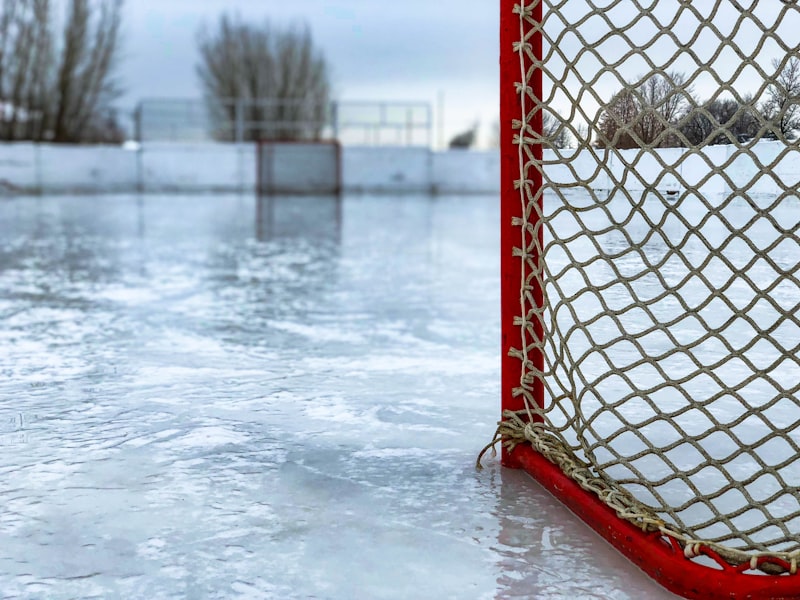
Every hamlet large enough to support a rink has a hockey culture. The Nunavut government has funded arena construction across the territory. Jordin Tootoo, from Rankin Inlet, was the first Inuk to play in the NHL — a fact of enormous cultural significance here.
Culture, Arts & Identity
Nunavut was created on April 1, 1999, carved out of the Northwest Territories as the result of two decades of Inuit political organizing. The territory is Inuit-governed in a way that no other Indigenous jurisdiction in Canada matches at the territorial level. Inuktitut is a co-official language alongside English and French, and the territorial government conducts its business in Inuktitut.
Inuit Art
Nunavut is home to one of the great traditions of contemporary Indigenous art in the world. Printmaking began in Cape Dorset (Kinngait) in the late 1950s when James Houston introduced the technique to local Inuit artists. The work produced there — by Kenojuak Ashevak, Pitseolak Ashoona, Pitaloosie Saila and dozens of others — is now in museums on every continent. The Inuit sculpture tradition, in stone, bone and antler, was already centuries old when it entered the international art market. Nunavut's artists continue to produce work of extraordinary power.
Language and Identity
Inuktitut is spoken by roughly 65 percent of Nunavut's population as a first language — the highest rate of Indigenous language use of any Canadian jurisdiction. The language has its own writing system: Inuktitut syllabics, developed by missionary James Evans and adapted for Inuktitut, are still used in print media, signage and government documents. Language revitalization is an ongoing political issue as younger generations navigate schooling in English.
The Land
In Nunavut the relationship to the land is not nostalgic or recreational — it is immediate and ongoing. Many families in smaller communities still hunt, fish and harvest on the land for a significant portion of their food. The harvesting of country food — narwhal, caribou, arctic char, ringed seal, beluga — is both economic necessity and cultural practice. Inuit land knowledge, accumulated over thousands of years, is one of the most detailed bodies of ecological observation in the world.
Nunavut's Hall of Icons
Nunavut's hall of fame is shaped by Inuit cultural revival, by the founding generation of the territory itself, and by an extraordinary art tradition that has put a tiny territorial population onto walls of museums in Tokyo, London and New York.
Kenojuak Ashevak
Probably the most internationally recognized Inuit artist of the 20th century. Her print The Enchanted Owl (1960) appeared on a Canadian postage stamp and remains one of the most-reproduced images in Canadian art. Companion of the Order of Canada and the only artist to grace a Canadian postage stamp during her lifetime.
Paul Okalik
Nunavut's first premier (1999–2008) and the architect of the territory's earliest legislation. Okalik was the first Inuk to be admitted to the Nunavut Bar and remained a leading voice in northern political life for decades.
Susan Aglukark
The first Inuk recording artist to win a Juno Award (1995, for "O Siem"). Aglukark's career spans more than three decades and combines English-language pop with Inuktitut songs about her childhood in Arviat. Officer of the Order of Canada.
Zacharias Kunuk
Director of Atanarjuat: The Fast Runner (2001), the first feature film made entirely in Inuktitut. The film won the Caméra d'Or at Cannes and was named the greatest Canadian film of all time in a 2015 TIFF poll. His Igloolik-based Isuma TV is a cornerstone of Indigenous media in Canada.
John Amagoalik
The political organizer most credited with leading the negotiations that created Nunavut. Amagoalik served as President of the Inuit Tapirisat of Canada and as Chief Commissioner of the Nunavut Implementation Commission. The Nunavut Land Claims Agreement bears his fingerprints throughout.
Jordin Tootoo
The first Inuk to play in the NHL. Tootoo's career with the Nashville Predators, Detroit Red Wings, New Jersey Devils and Chicago Blackhawks made him a hero in Nunavut. His memoir All the Way is also one of the most candid Canadian sports autobiographies of the past decade.
Pitseolak Ashoona
Matriarch of one of the most extraordinary artistic dynasties in Canadian history. Ashoona's prints and drawings of traditional Inuit life have been collected by every major Canadian museum. Her granddaughter Annie Pootoogook continued the tradition before her death in 2016.
Tanya Tagaq
Inuk throat singer who has reinvented the form for a global audience. Polaris Music Prize winner (2014, for Animism) and a fierce political voice on Indigenous-rights issues. Her live performances have been described as among the most intense in contemporary music.
Regional Cuisine: What Nunavut Actually Eats
Nunavut's food culture is the country-food tradition of the Inuit, layered with the imported food brought in by ship and plane. The high cost of imported groceries (a single watermelon can cost CAD $50 in Iqaluit) makes country food not just culturally important but economically essential. Many Iqalummiut still harvest a significant share of their diet from the land and sea.
Arctic Char
The defining fish of the territory. Pulled from rivers and inland lakes, eaten fresh, smoked, dried as pipsi (jerky), or made into chowder. The flesh is deep coral. Order it at the Discovery Lodge in Iqaluit or the Frobisher Inn dining room.
Caribou (Tuktu)
The land mammal most central to Inuit life. Roasted, stewed, dried, or eaten raw and frozen as quaq. Caribou tongue is a delicacy. The harvest is regulated and tied to the cyclical caribou herd populations.
Bannock
Brought north by the Hudson's Bay Company traders and now an Inuit staple. Fried in seal fat or rendered caribou fat for the most traditional version, or in butter for a daily-bread substitute. Often served alongside fish or stew.
Maktaaq (Whale Skin)
The skin and underlying blubber of beluga or narwhal whale, eaten raw and frozen, lightly chewed. Rich in vitamin C and a traditional source of nutrition during the long winter. Harvested under Inuit-community quotas and not exported.
Ringed Seal
Hunted year-round, prepared every way imaginable. Seal liver is a cultural delicacy; seal flipper soup is comfort food. The seal hunt is also a contested international issue; in Inuit communities, it is non-negotiable cultural practice.
Iqaluit's Two Restaurants
The capital has limited public dining. The Discovery Lodge dining room and the Frobisher Inn's Granite Room are the two main sit-down restaurants. Both serve Arctic char and caribou alongside southern-style menus. Country-food meals are mostly enjoyed at home or at community feasts.
Top 10 Restaurants in Nunavut
Nunavut's restaurant scene is small. Iqaluit, the territorial capital, has the only meaningful dining infrastructure — perhaps a dozen places that serve dinner — and outside Iqaluit, the regional centres of Rankin Inlet, Cambridge Bay and Pond Inlet have a few hotel dining rooms and cafés between them, but very little else. What's interesting about the territory's food culture, though, isn't the restaurants: it's the country foods (caribou, char, muktuk, seal) that occasionally show up on the better Iqaluit menus, and the small group of cooks committed to integrating them into a more contemporary cooking style. The list below is what's currently worth seeking out.
The Granite Room
The most-talked-about restaurant in the territory, the Granite Room in the Discovery Lodge serves a daily-changing menu that incorporates country foods — Arctic char, caribou tartare, muskox, seal — into a contemporary presentation. The wine list is, surprisingly, one of the best north of 60. Reservations are necessary; the room is small and the territory's professional class books it heavily.
The Frob Restaurant
The Frobisher Inn's main dining room — overlooking Frobisher Bay from the hill above downtown — runs a longer steak-and-seafood menu, with Arctic char, caribou and shrimp from Greenland on the dinner side. It's the room visiting government and mining clients tend to default to; the service is more polished than most northern dining rooms.
Caribrew Café
Iqaluit's most-loved coffee shop and lunch spot, Caribrew has become a daytime anchor for the city. Soups, sandwiches, baked goods made in-house, and a small daily-changing menu of more substantial plates. It's where local office workers, government staff and visitors all end up at lunch.
Big Racks BBQ
Smoked meats — brisket, ribs, pulled pork — at the surprising end of the world. The smoker came up by sealift; the meats come up by the same route. The service is takeout-leaning, but the quality of the smoke is a genuine surprise this far north.
Yummy Shawarma
A Lebanese-Canadian shawarma counter that has become a local lunch staple. The wraps are made to order, the garlic sauce is the right kind of aggressive, and the prices — relatively speaking, in a territory where a head of lettuce can cost ten dollars — feel reasonable.
Storehouse Bar & Grill
The territory's main pub-style dinner spot, the Storehouse runs a long menu of burgers, fish and chips, char, and steaks, with one of the city's better beer selections behind the bar. The room is loud, the service is friendly, and on Friday nights it's where most of Iqaluit eventually shows up.
Black Heart Café
A small daytime café across from the Anglican Cathedral that does pastries, coffee, sandwiches and weekend brunch with a level of care that the city's pace doesn't strictly require. The cinnamon rolls are the order; the wifi is good enough that the room often becomes a daytime workspace.
Aqsarniit Restaurant
The Aqsarniit Hotel's dining room is the newest serious player in town. The menu integrates country foods more aggressively than most peers — caribou shank, char three ways, bannock with Inuit-harvested berries — and the room is the most modern in the city.
Snack Shack
An unpretentious diner-style room serving plate-of-the-day specials, big breakfasts, and the kind of fish-and-chips that warms a long polar evening. The clientele is mostly local. It's not the place for special occasions, but it's the most reliable everyday meal in town.
The Polar Bowl
In Pond Inlet, on the northern coast of Baffin Island, the Polar Bowl is a small community-oriented restaurant attached to one of the local lodges. Country foods feature heavily — char, caribou, seal — and the room is small enough that the conversation often crosses tables. It's one of the only meaningful sit-down dinners outside the territorial capital.
Whose Land Are You On?
Nunavut is the largest Indigenous-governed jurisdiction in North America. Created on April 1, 1999, the territory is the result of the largest Indigenous land-claim settlement in Canadian history. About 85 percent of the population is Inuit, and Inuktut is a co-official language alongside English and French.
The Nunavut Land Claims Agreement
The 1993 NLCA is the largest Indigenous land claim in Canadian history. It transferred title of more than 350,000 km² of land directly to the Inuit, established harvesting rights across the entire territory, and created Nunavut Tunngavik Inc. as the body that administers the agreement. The territory of Nunavut, created six years later, was a separate but related political achievement.
The Three Regions
Nunavut divides administratively into three regions: the Qikiqtaaluk (Baffin) Region, including Iqaluit; the Kivalliq Region on the western shore of Hudson Bay; and the Kitikmeot Region in the central Arctic. Each has a regional Inuit organization and a distinct cultural and dialect tradition.
Inuktut as a Living Language
About two-thirds of Nunavut's population speaks Inuktut as a first language — the highest rate of Indigenous-language use of any Canadian jurisdiction. The territory's syllabic writing system appears on every government document, road sign and CBC broadcast. Inuktut education in schools is in active expansion through the Nunavut Education Act.
Country Food and Cultural Continuity
For most Nunavummiut, country food is daily life. Hunting and harvesting are not recreations — they are how families eat, how cultural knowledge is transmitted, and how communities express themselves. Visitors should understand that respect for these practices is essential to engaging with the territory.
Your Best 5-Day Stay in Nunavut
Nunavut is the most remote and most expensive Canadian travel destination. Five days is the right amount of time to experience Iqaluit and either Sirmilik or Auyuittuq National Park, weather permitting. The itinerary assumes flying into Iqaluit (YFB) and treating the trip as a cultural-and-wilderness experience rather than a checklist.
Iqaluit — Arrival, Cultural Centre, Town Walk
Fly into Iqaluit. The flight from Ottawa is three hours. Drop bags at the Frobisher Inn or the Discovery Lodge — book months in advance, the city has limited beds. Walk the town: the Legislative Assembly building (with its narwhal-tusk mace), the Anglican Cathedral St. Jude's (built in the shape of an igloo), and the Nunavut Court of Justice building.
Visit the Nunatta Sunakkutaangit Museum for an introduction to Inuit history and culture. Lunch at the Storehouse Bar. Dinner at the Discovery Lodge — order the Arctic char.
Iqaluit — Sylvia Grinnell & Apex
Walk or drive to Sylvia Grinnell Territorial Park on the edge of town. The Sylvia Grinnell River, the cliff hike up to the inukshuk, and the views over the Frobisher Bay are the city's outdoor backdrop. Bring layers and a windbreaker.
Afternoon: walk to Apex, the small community 4 km southeast of Iqaluit, with the Hudson's Bay Company building still standing. Evening: an Inuit cultural performance at the Inuksuk High School — drum dancing, throat singing, bannock. Check the territorial cultural calendar in advance.
Day Trip — Pangnirtung or Kimmirut
The day trip out of Iqaluit is the second flight of the visit. Pangnirtung (Pang), 300 km north on Cumberland Sound, is the most accessible second community: a fjord-lined hamlet with a deep printmaking tradition. Visit the Uqqurmiut Centre for Arts and Crafts, lunch at the Auyuittuq Lodge, and walk along the boardwalk over the Pangnirtung Fjord.
Alternatively: Kimmirut on the southern Baffin coast, a smaller community with a strong sculpture tradition. Either flight is weather-dependent.
National Park Adventure — Auyuittuq or Sirmilik
For travellers willing to go further: a guided trip into Auyuittuq National Park (out of Pangnirtung) or Sirmilik (out of Pond Inlet, in summer). Either requires a Parks Canada–licensed Inuit guide and a multi-day commitment.
For travellers based in Iqaluit, this is the day for a snowmobile or dogsled tour to a traditional iglu camp on the sea ice — an Inuit-led experience offered by Inukpak Outfitting and others. The cost is high. The experience is irreplaceable.
Iqaluit — Last Walks, Last Conversations
Spend the morning at the Nunatta Sunakkutaangit gift shop and the artist co-ops — the original-print and small-sculpture market is the most-cited reason for many visitors' trips. Take the long walk along the Frobisher Bay shore one more time.
Lunch at the Granite Room. Catch the afternoon flight back to Ottawa. The territory will have rearranged your sense of distance and the country.
Five Days in Iqaluit
Most visitors to Nunavut never leave the capital, and it's not a failing — Iqaluit, on the north shore of Frobisher Bay, holds nearly a quarter of the territory's population, two of its three best museums, the legislative chamber, the largest Inuit art co-op in the country, and a tundra coast that begins at the end of the runway. Five days is enough to soak in the rhythm of the place: short days or no nights depending on the season, the constant Inuktitut on the radio, the price of a head of lettuce that brings home what "remote" really means. Book accommodation months ahead — the Frobisher Inn, the Aqsarniit Hotel and the Capital Suites are essentially the only options.
Arrival, Sylvia Grinnell & the Bay
Land at YFB on the late-morning flight from Ottawa. Iqaluit's airport — the bright yellow terminal, sometimes called "the yellow submarine" — is the warmest first impression in Canada. Drop your bags at the Frobisher Inn (the dining room there is the unofficial town hall, and you'll be back). Walk into Sylvia Grinnell Territorial Park, a fifteen-minute stroll from downtown, where the river drops over a series of rapids into the bay and the tundra begins immediately at your feet.
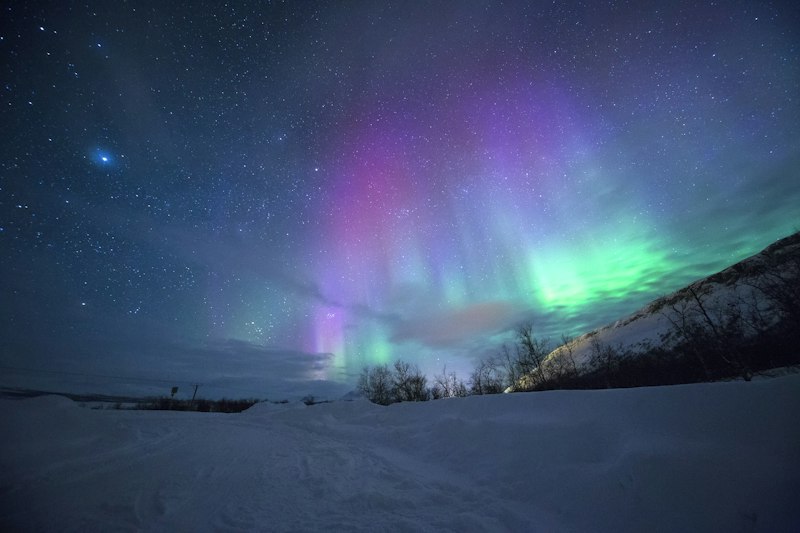
For a first dinner, the Granite Room at the Frobisher is the safe pick — Arctic char, muskox stew, and a wine list that includes the only Inuit-language tasting notes you'll ever read. Walk back along the Road to Nowhere afterward; in summer you'll have light until midnight, in winter you may catch your first auroras over the bay.
Nunatta Sunakkutaangit, Igloo Church & the Co-op
Mornings start slow in Iqaluit and there's no point fighting it. After coffee at Black Heart Café, head to the Nunatta Sunakkutaangit Museum — the territory's small but extraordinary holding of Inuit prints, sculpture and historical photographs. The St. Jude's Anglican Cathedral next door is the famous "igloo church," rebuilt after a 2005 fire and one of the most photographed buildings in the Arctic.
Spend the afternoon at the Carvings Nunavut and Northern Country Arts co-ops downtown — these are the studios of working Inuit artists and the place to buy original soapstone, serpentinite and antler pieces straight from the carvers. Dinner at Big Racks BBQ (the Texas brisket-meets-tundra hybrid surprises everyone who tries it).
Apex, the Hudson's Bay Buildings & the Beach
Walk or taxi to Apex, the smaller settlement five kilometres east of Iqaluit's downtown. The white-and-red Hudson's Bay Company buildings on the beach are some of the oldest standing structures in the eastern Arctic — they predate the modern townsite and now serve as a tiny historic park. The walk back along the shore at low tide takes about an hour and threads between bowhead-bone middens and quiet fishing shacks.
Afternoon: a stop at the Legislative Assembly, where the chamber's mace is carved from Arctic narwhal tusk and the seating is arranged in a circle rather than across an aisle. Tours run on weekday afternoons in summer. Dinner at the Storehouse Bar & Grill — the wings are local lore and the post-work crowd is half the legislature.
Land Day — Snowmobile, Dogsled or Boat
The land day is the day to splurge. In winter (October through May), book a half-day snowmobile or dogsled excursion with Inukpak Outfitting or NorthWinds Expeditions out onto the sea ice; the route to the floe edge or to Qaummaarviit Territorial Park (a 600-year-old Thule whale-bone village on a small island offshore) is the trip you'll remember. In summer, swap snowmobile for a Zodiac to the same site or out to the bird cliffs on Mallikjuaq Island.
Either way, expect to be out four to six hours, dressed for one weather class colder than you think, and back in town with frostbitten cheeks and the world's best appetite. Dinner at Mavericks at the Aqsarniit Hotel, the dining room with the floor-to-ceiling view of the bay.
Last Walk, Last Carving, Departure
One more morning to do what you missed. Many visitors come back to the carvings — the second visit is when you actually buy. The Unikkaarvik Visitor Centre near the airport has free Inuit-led talks most afternoons; if your flight is late, this is the place to wait. The Granite Room does a tundra brunch on weekends — Arctic char gravlax, bannock French toast — that nobody tells visitors about.
YFB is small but slow at security; aim for ninety minutes ahead of departure. The first leg back south is normally to Ottawa. As you climb out, look down — the patchwork of frozen lakes, the snow-track patterns, the tiny fan of road that is Iqaluit, and beyond it nothing but tundra all the way to the pole.
Commerce & Industry
Nunavut is not an economy in the conventional sense. It is a vast territory — larger than Western Europe — with a population of fewer than 40,000 people, almost entirely Inuit, scattered in 25 communities that have no road connections to each other or to the south. Everything comes in by air or, in the brief summer season, by sealift. The cost of living is staggering: a bag of chips in Grise Fiord costs what a full grocery order costs in Toronto. Understanding the economic framework of Nunavut requires setting aside southern assumptions about markets, logistics, and what self-sufficiency means at the top of the world.
1. Mining — Gold & Silver
Agnico Eagle Mines has transformed Nunavut's formal economy with two major gold operations: the Meadowbank complex near Baker Lake and the Meliadine mine near Rankin Inlet. Together they make Nunavut one of Canada's most productive gold-mining territories and Agnico Eagle one of the most visible corporate presences in the region. The mines operate on fly-in fly-out rosters, employ hundreds of Inuit workers, and have generated Impact and Benefit Agreements with regional Inuit organizations that fund community programs. Additional deposits — Hope Bay among them — promise further development. Nunavut's mineral potential, across gold, silver, iron, lead, zinc, and rare earths, is among the least-explored on the planet.
2. Government & Public Sector
The Government of Nunavut (GN), created with Nunavut itself in 1999, is by far the largest employer in every community in the territory. Federal departments — Indigenous Services Canada, Canada Post, RCMP, Transport Canada, and the Canadian Armed Forces at 1 Canadian Ranger Patrol Group — add to the public sector footprint. Because no other employer can function at commercial scale across 25 isolated communities, the public sector is not merely dominant but foundational. The goal of increasing Inuit representation in the public service from its still-low proportion toward a level that reflects the 85-percent Inuit population is a stated priority of every territorial government.
3. Construction
Nunavut has a housing crisis of a severity that is genuinely difficult for southern Canadians to comprehend. More than 40 percent of the territory's housing stock is overcrowded by southern standards; many homes house two or three families. Federal and territorial housing investment programs generate significant construction employment — but the logistics of building in remote Arctic communities, where materials arrive by sealift once a year, make construction costs ten to twenty times what they would be in southern Ontario. Infrastructure investment — water treatment, sewage, warming shelters, youth centres, schools — is the largest single capital sector.
4. Tourism
Adventure tourism in Nunavut is a niche market, but it is growing. Auyuittuq National Park on Baffin Island — with its granite towers, ice fields, and the famous Akshayuk Pass — draws experienced trekkers and climbers from around the world. Sirmilik and Quttinirpaaq National Parks are among the most remote protected areas on Earth. Polar bear viewing on Baffin Island's tundra, narwhal watching in the Admiralty Inlet, and cultural tours in communities like Pond Inlet and Kimmirut are the building blocks of a tourism economy that the territory is carefully developing without wanting to overwhelm communities that have limited hosting capacity.
5. Commercial Fisheries
Arctic char from the Sylvia Grinnell and other rivers near Iqaluit, turbot from the waters off Baffin Island, and shrimp from the waters of Baffin Bay and Hudson Strait are the main commercial fisheries. The Baffin Fisheries Coalition, an Inuit-owned entity, has expanded its participation in the turbot and shrimp quota since the 1990s. The commercial fishery is small in absolute terms but significant to food security and community employment.
6. Arts & Crafts — Kinngait Studios
The Kinngait Studios (formerly the West Baffin Eskimo Co-operative) in Cape Dorset is one of the most celebrated Indigenous arts organizations in the world. Its annual print collection — produced by Inuit artists using stone-cut, stencil, and etching techniques — is collected by major galleries from the AGO to the Smithsonian. Inuit sculptures in soapstone, whalebone, and caribou antler are sold through co-operatives across the territory. The arts sector provides income in communities where formal employment alternatives are limited and where the artistic tradition is deep and culturally continuous.
7. Military & Security Operations
Alert, on Ellesmere Island, is the northernmost permanently inhabited place in the world — a signals intelligence station operated jointly by Canadian and American forces. Resolute Bay serves as a logistical hub for high-Arctic military operations and scientific expeditions. Canadian Ranger patrols — primarily Inuit volunteers — conduct sovereignty patrols across the territory. As Arctic sovereignty debates intensify with climate change opening previously ice-locked routes, Nunavut's military significance is growing.
8. Traditional Economy
Hunting caribou, ringed seal, beluga, polar bear, walrus, and migratory birds; fishing for Arctic char and lake trout; gathering berries and plants in season — this is not a supplementary activity for most Nunavut Inuit families. It is the foundation of food security in communities where a single airline flight carries imported groceries at prices that can eat an entire paycheque. Country food is nutritionally superior to the packaged alternatives, culturally central, and economically essential. It simply does not show up in GDP statistics.
9. Telecommunications Infrastructure
The absence of terrestrial broadband across most of the territory has made satellite communication and wireless infrastructure investment a significant economic activity. Telesat's LEO satellite network, Xplornet, and Nunavut Broadband Development Corporation are all working to improve connectivity in communities where reliable internet has historically been unavailable or unaffordable. The stakes are high: improved connectivity enables telehealth, distance education, e-commerce, and government services delivery that can reduce the cost and logistical burden of serving remote communities.
10. Research & Climate Science
Nunavut hosts research stations operated by Environment and Climate Change Canada, the Polar Continental Shelf Project, and various universities studying permafrost dynamics, sea ice extent, marine mammal ecology, and Arctic atmospheric chemistry. The scientific community's presence in communities like Resolute, Cambridge Bay (home of the Canadian High Arctic Research Station opened in 2020), and Pond Inlet provides some employment and considerable international visibility to a territory that the rest of the world is finally paying attention to.
Politics
Nunavut, like the Northwest Territories, operates under a consensus government system without political parties. All MLAs are elected as independents; the premier is chosen by the 22-seat Legislative Assembly after each election. This system was written into the territory's governance structure from its creation in 1999 as a reflection of Inuit consensus-building traditions — the idea that qimmiq (sled dog) teams pull together, as the saying goes, rather than competing against each other. In practice, consensus government has produced more coalition-building and less ideological paralysis than critics predicted, though it has also produced slower legislative change than some reformers desired.
Consensus Government & Premier P.J. Akeeagok
P.J. Akeeagok of Qausuittuq (Resolute Bay) became Premier in November 2021, succeeding Joe Savikataaq. Akeeagok — previously deputy minister of Finance and a senior official in the Government of Nunavut — brought a managerial and fiscal expertise to the role at a time when the territory's finances had been strained by COVID-related spending and the perpetual challenge of delivering services in the world's most remote and dispersed jurisdiction.
The priorities of the Akeeagok government centre on the three crises that have defined Nunavut since its founding: housing, food security, and mental health and addictions. The territory has the highest per-capita suicide rate in Canada — a statistic that reflects colonialism's intergenerational trauma as much as any specific policy failure, and that no government has yet found a coherent strategy to address. Housing remains chronically underfunded relative to need; the federal government has committed to accelerating housing investment, but construction costs in the Arctic mean that promises measured in units achieved are progress measured in steps too slow for a problem measured in decades of backlog.
The relationship between Nunavut Tunngavik Incorporated (NTI) — the Inuit organization that holds the Nunavut Land Claims Agreement and represents Inuit rights — and the Government of Nunavut is the central political dynamic of the territory. NTI is not the government, but it holds significant rights and resources under the Land Claims Agreement that the government cannot ignore. When the two institutions are aligned, things move; when they disagree — on devolution of federal powers, on resource development priorities, on the pace of Inuktitut language revitalization in the public service — the territory's governance slows to a friction of overlapping jurisdictions. Getting that relationship right is the defining political task of any Nunavut government.
A Poem for Nunavut
A poem for our land
Our Land is what the name means — and it is:
a territory larger than western Europe,
where thirty-seven thousand people live
in twenty-five communities, and hope

is spelled in Inuktitut syllabics on
the signs of every hamlet. Baffin Island
holds its mountains like a held-in song —
the Auyuittuq glaciers, the high land

above the Cumberland Sound where the narwhal
still travel with their tusks at the ice edge.
The midnight sun in June makes summer sprawl
for weeks without a dark — the light's a wedge

that never quite goes out. In winter, dark
is the other kind of endless, held
by aurora curtains, by the spark
of stars so numerous they yield

a Milky Way you could read by. The Inuit
have words for snow that scientists are still
discovering the precision of — the wit
of language shaped by what it's meant to fill.

The walrus haul out on the floes. The fox
crosses the sea ice on its rounds.
Iqaluit has a museum now, unlocks
the old tools from the ice — the harpoon sounds.

This is the newest province of the nation,
born in 1999 from negotiation —
a people who refused to be administered
from the outside, and built their own.
Airports & Getting There
There are no roads connecting Nunavut to the rest of Canada. There are no roads connecting any of Nunavut's communities to each other. The territory's twenty-five communities, scattered across a landmass of two million square kilometres — one fifth of Canada's entire area — are connected to each other and to the outside world exclusively by air, by sea during the brief summer shipping season, and in some cases by snowmobile or dog sled across the frozen land and sea ice in winter. Understanding this fact is not background information for visiting Nunavut; it is the central logistical reality that shapes every aspect of how the territory functions and how it is experienced.
Iqaluit and the Main Gateway
Iqaluit Airport (IATA: YFB) on Baffin Island is the territorial capital's airport and Nunavut's primary gateway. Air Canada operates scheduled service between Iqaluit and Ottawa, a flight of approximately two hours and forty minutes that is the main artery connecting the territory to southern Canada's transportation network. Canadian North also serves Iqaluit from Ottawa and Montreal, providing some competition on the route that helps moderate what would otherwise be truly prohibitive fares on a monopoly route. Both carriers operate jets on the main routes, and the frequency is sufficient — multiple flights daily in each direction on the Ottawa–Iqaluit corridor — that the gateway itself is not the bottleneck. The bottleneck is the onward connections, which we'll address below.
Getting Between Communities: Canadian North's Arctic Network
Canadian North and First Air (now merged under the Canadian North brand) operate the network of scheduled flights that connect Iqaluit to the territory's other communities: Rankin Inlet (YRT), the regional hub for the Kivalliq region on the west shore of Hudson Bay; Cambridge Bay (YCB), the hub for the Kitikmeot region in the central Arctic; Pond Inlet (YIO), the gateway for Sirmilik National Park; and Resolute Bay (YRB), the jumping-off point for Quttinirpaaq National Park on Ellesmere Island and for the logistics operations that support Arctic science and tourism. Fares on these intra-Nunavut routes are significant — a return flight between Iqaluit and Rankin Inlet routinely runs $700 to $1,200 — and booking well in advance is essential, as seats are limited and flights frequently full with government workers, healthcare staff, and residents making family visits. For visitors planning to see Nunavut beyond Iqaluit, budget for airfare as the dominant line item in your travel costs.
Cost of Living & Housing
Nunavut has the highest cost of living in Canada — not by a narrow margin, but by a substantial one that reflects the most fundamental economic reality of the Arctic: everything that is not harvested from the land or sea must be flown or shipped in, and the cost of that logistics chain is embedded in the price of every good on every shelf in every community in the territory. For residents and visitors arriving from southern Canada, the adjustment is not merely surprising but viscerally affecting in a way that makes abstract discussions of northern equity concrete and immediate.
Housing: The Severe Shortage
Housing in Nunavut, and particularly in Iqaluit, is in a state of chronic and severe shortage that affects every aspect of life in the territory. A one-bedroom apartment in Iqaluit, where the market exists at all, runs $2,200 to $3,500 per month — figures that would be notable in Toronto and are extraordinary for a city of roughly 8,000 people in the Arctic. The territory's government is the largest landlord, owning a significant proportion of the housing stock that it allocates to workers in the territorial public service, teachers, healthcare workers, and RCMP officers. Many people, particularly Inuit residents who are not employed in the formal economy, live in public housing managed by Nunavut Housing Corporation. Overcrowding is a severe and well-documented problem across the territory, with multiple families sharing units designed for one household in a way that has significant effects on public health, education outcomes, and social well-being. New construction is expensive and logistically complex because building materials must be shipped on the annual sealift, which arrives in most communities only once a year during the brief summer open-water season.
Food Costs and Nutrition North
The food cost situation in Nunavut is among the most discussed equity issues in Canadian public policy, and visiting a grocery store in Iqaluit — the Arctic Ventures store or the Northern Store — for the first time is an experience that most southern Canadians find genuinely disorienting. A small head of broccoli for $7; a box of cereal for $14; a modest package of ground beef for $25; a bag of apples for $12. Basic groceries in Nunavut cost two to three times their southern Canadian equivalent, a premium that places nutritious food out of financial reach for many residents and contributes to food insecurity rates that are among the highest in the developed world. The federal government's Nutrition North Canada programme provides a per-kilogram subsidy on eligible perishable foods shipped by air to eligible northern communities, and the subsidy has been expanded multiple times in response to advocacy from northern communities and health researchers. It helps; it does not solve the problem. Traditional harvesting — hunting seal, walrus, caribou, and arctic char — remains a critical food source for Inuit families across the territory and represents both nutritional security and cultural continuity in communities where the cost of market food is prohibitive.
Climate & Seasonal Weather
Nunavut's climate is Arctic, and while that two-word description is accurate, it covers an enormous range of conditions across a territory that spans from the 60th parallel at the Manitoba border in the Kivalliq region to Ellesmere Island at 83 degrees north — only 780 kilometres from the geographic North Pole. Iqaluit on Baffin Island is in many ways representative of the territory's largest inhabited communities: a genuine Arctic climate, but one that is moderated somewhat by proximity to the waters of Frobisher Bay and Hudson Strait. The Arctic islands of the Qikiqtaani region — Devon Island, Ellesmere Island, Bylot Island — experience a more severe polar desert climate where precipitation is minimal and summer warmth is brief and tentative.
Winter: Darkness, Cold, and Sea Ice
Iqaluit averages -28°C in January, and windchill regularly pushes the effective temperature to -45°C or colder. The sea ice in Frobisher Bay typically forms in October and remains solid through June — at its maximum extent in March, the ice is thick enough that communities along Hudson Bay use it as a highway for qamutik travel and snowmobile trips between communities. The polar night, when the sun remains below the horizon continuously, lasts from late November to mid-January in Iqaluit; further north, at Resolute Bay, the polar night extends from early November to early February. Navigating daily life in polar darkness — shopping, commuting, caring for children — is something that Iqaluit's residents manage through the combination of practical adaptation and the cultural resilience that Inuit communities have maintained through thousands of years of Arctic habitation. Visitors who come during winter should dress for serious cold: a minimum of -40°C-rated insulated parkas, insulated boots rated to -60°C, face protection, and the understanding that exposed skin in a -45°C windchill will begin to experience frostnip in minutes.
Summer: The Midnight Sun and Brief Warmth
Summer in Nunavut is brief, intense, and genuinely beautiful. In Iqaluit, July and August bring average temperatures of 12 to 15°C, with warm days occasionally reaching 20°C — temperatures that, after the long winter, feel almost tropical to local residents. The midnight sun at the summer solstice means twenty-four hours of daylight, and the long light on the tundra, the wildflowers blooming in the brief growing season, the return of Arctic terns and other migratory birds in enormous numbers, and the summer movement of narwhal and beluga into the waters around Baffin Island create a short but spectacular season. The summer sea ice retreat opens the Northwest Passage to expedition ships, and the annual sailing season through the passage attracts adventure cruises from around the world. Travellers visiting Nunavut in summer should still carry warm layers — temperatures in the Arctic can drop suddenly and wind on open tundra is genuinely cold at any time of year.
Provincial Healthcare & Documentation
Healthcare in Nunavut is administered under the Nunavut Health Care Plan, and residents must register for a Nunavut Health Card to access publicly funded services. New residents are subject to the standard three-month waiting period before coverage takes effect, and private health insurance during this interval is important. For visitors to Nunavut who are Canadian residents covered by their home province's health insurance, reciprocal coverage applies for medically necessary services, but the remoteness of the territory and the limited medical infrastructure make comprehensive travel insurance — particularly coverage for emergency air evacuation — essential for any visitor to the Arctic, regardless of the province or territory of primary residence.
Qikiqtani General Hospital and Iqaluit Services
Qikiqtani General Hospital in Iqaluit is the territory's main hospital, serving the Qikiqtaani region (Baffin Island and the High Arctic islands) and functioning as the referral centre for the most serious cases from across the territory. The hospital has undergone capacity expansions in recent years but remains a small facility by southern Canadian standards — it handles emergency medicine, general surgery, obstetrics, and a range of medical services, with visiting specialist clinics providing dental, ophthalmology, cardiology, and other specialty care on a scheduled rotation. Cambridge Bay has a community hospital serving the Kitikmeot region, and Rankin Inlet has a regional health centre serving the Kivalliq. For cases requiring specialist care beyond what these facilities can provide — major trauma, complex surgery, oncology, cardiac intervention — patients are medevaced or transported to Ottawa, Montreal, or Winnipeg.
Community Health Centres and the Challenge of Arctic Medicine
Nunavut's smaller communities — and the majority of the territory's communities are small, ranging from a few hundred to a few thousand people — are served by community health centres staffed by nurses and, in larger communities, by nurse practitioners. Physicians visit on a rotational schedule, and the consistency and frequency of those visits varies by community, funding cycles, and the chronic difficulty the territory faces in attracting and retaining healthcare workers in the Arctic. Dental health is a significant and well-documented public health issue across the territory, particularly for children, given the combination of food security challenges, limited access to dental care, and the historical shift from traditional foods to market foods with higher sugar content. Medical travel — flights from communities to Iqaluit or to southern hospitals for specialist care — is a regular and significant part of life for many Nunavut residents, and the territorial government's medical travel program provides support for approved travel, though the logistics of managing healthcare across a territory with no road network and extreme weather conditions create challenges that no program fully resolves.
Outdoor Activities & Provincial Parks
Outdoor activity in Nunavut operates on a different register than anywhere else in Canada — not more adventurous in the competitive sense, but more genuinely remote, more dependent on local knowledge and traditional Inuit expertise, and more immersive in the full meaning of the word. The territory's national parks are among the most extraordinary wilderness areas in the world, and the traditional Inuit activities that have been practised across the Arctic for thousands of years provide the framework through which they are best experienced.
Auyuittuq National Park
Auyuittuq National Park on Baffin Island, whose name means "the land that never melts" in Inuktitut, is one of the most dramatic wilderness parks in Canada — a landscape of granite fjords, glaciers, and the Akshayuk Pass, a through-route across the Cumberland Peninsula that has been used by Inuit hunters and travellers for millennia and is now the main hiking corridor through the park. The pass runs approximately 100 kilometres through some of the most spectacular mountain and fjord scenery in the country, flanked by peaks including Mount Thor, which holds the record for the world's greatest uninterrupted vertical drop at 1,250 metres — a sheer granite face that is one of the defining climbing objectives in North America. Parks Canada's Auyuittuq page has permit and access information for the park, which requires planning well in advance given the limited number of permitted visitors and the logistical complexity of reaching the park entrance at Pangnirtung or Qikiqtarjuaq.
Sirmilik, Quttinirpaaq, and Inuit Cultural Activities
Sirmilik National Park, on the northern tip of Baffin Island near Pond Inlet, protects the extraordinary seabird colonies of Bylot Island — one of the most important migratory bird sanctuaries in North America, where thick-billed murres, northern fulmars, and black-legged kittiwakes nest in hundreds of thousands on the coastal cliffs — as well as the glaciated mainland of the Oliver Sound area. Quttinirpaaq National Park, on Ellesmere Island at the northern tip of Canada, is one of the most remote national parks in the world, accessible only by charter flight from Resolute Bay, and offers hiking, ski touring, and the extraordinary experience of standing near the top of the Canadian land mass in a polar desert landscape of rock, ice, and sky that can feel as alien as any place on earth. For most visitors to Nunavut, traditional Inuit cultural activities — dog sledding with Inuit guides, qamutik travel across sea ice, Arctic char jigging through the ice, narwhal watching from the floe edge in spring — provide the most direct and meaningful engagement with the land that Nunavut's communities steward.
Travel Logistics & Transportation
Transportation in Nunavut reduces to a single fundamental reality: there are no roads between communities. The implications of that fact cascade through every aspect of logistics, cost, and planning. Food arrives by air or by annual sealift. Building materials arrive by sealift. Fuel arrives by sealift. People move between communities by air. When the weather grounds planes — and in the Arctic, weather grounds planes regularly — communities are, temporarily, cut off from everything outside their own boundaries. This is not a crisis situation for communities that have lived with this reality for generations; it requires a different relationship with supply, with planning, and with self-sufficiency than most southern Canadians are accustomed to.
Air as the Only Option
Canadian North operates the scheduled air service that connects Nunavut's communities to each other and to the southern gateway airports at Ottawa and Montreal. The network is comprehensive in that it reaches every community in the territory on a regular schedule; it is limited in that "regular" for smaller communities may mean a few flights per week rather than multiple daily departures. Iqaluit has the best-served schedule, with multiple daily flights to Ottawa and service to regional hubs. Rankin Inlet and Cambridge Bay, as Kivalliq and Kitikmeot regional hubs respectively, have daily service to Iqaluit and weekly or several-times-weekly service to Winnipeg and Edmonton. Smaller communities — Arctic Bay, Clyde River, Coral Harbour, Baker Lake, Gjoa Haven — are served less frequently, and connecting travel itineraries in Nunavut require building in flexibility for weather delays that can extend by hours or days. Scheduling a flight out of a remote Nunavut community on the same day as an international flight from Ottawa is the kind of planning optimism that experienced Arctic travellers learn to avoid.
Within Iqaluit: Getting Around the Capital
Within Iqaluit, the city operates a transit bus system covering its main areas — a service that has improved significantly in recent years and provides basic connectivity for residents without vehicles. Taxis and rideshare-style services operate in Iqaluit, and the city is small enough that distances between the downtown area, the Apex neighbourhood, the airport, and the residential streets are manageable. Rental vehicles are available in Iqaluit through local companies, and having a vehicle is genuinely useful for reaching the Sylvia Grinnell Territorial Park at the edge of the city, the Apex outskirts, and the tundra areas accessible from the road network — which in Iqaluit, it should be noted, amounts to approximately 25 kilometres of road before the pavement ends and the tundra begins. In winter, snowmobiles are the dominant mode of travel on the sea ice and the tundra, and guided snowmobile tours are available through Iqaluit's outfitter community for visitors who want to experience travel the way Inuit have for centuries.
Major Landmarks & Iconic Destinations
Nunavut's landmarks resist easy categorisation. The territory's significance lies not primarily in built structures — though the Nunavut Legislative Assembly in Iqaluit is an architecturally thoughtful and politically resonant building — but in the ancient cultural landscape of a people who have inhabited the Arctic for thousands of years, and in the natural phenomena of an environment that is, in most directions from any community, as wild and as unchanged as anywhere on the planet. The landmarks here are as likely to be a circle of ancient tent ring stones on a hillside as they are a building or a monument.
The Nunavut Legislature and Iqaluit's Cultural Sites
The Nunavut Legislative Assembly in Iqaluit, opened in 1999 when the territory was created by the division of the Northwest Territories, is a striking building designed to reflect Inuit cultural values: the chamber is circular rather than adversarial in layout, and the architecture incorporates traditional motifs and materials in a way that makes it both a functional government facility and an assertion of Inuit political identity. The building is open to the public during session and for tours, and watching the legislature conduct business in Inuktitut alongside English and French is a reminder of just how recently and how deliberately this territory was constructed as an expression of Inuit self-determination. Qaummaarviit Territorial Historic Park, accessible by boat from Iqaluit in summer (a twenty-minute crossing of Frobisher Bay to a small island), protects the remains of Thule culture dwellings — the semi-subterranean sod-and-bone houses of the ancestors of modern Inuit — dating back approximately 800 years, along with bowhead whale bones used as structural elements that speak to the central role of the bowhead in traditional Inuit life.
The Floe Edge and Narwhal Country
The floe edge — the boundary between landfast sea ice and open Arctic water — is one of the defining natural spectacles of the Nunavut spring, and it is arguably the territory's most extraordinary wildlife destination. In May and June, the floe edge near Pond Inlet, Arctic Bay, and Clyde River becomes a concentration point for marine mammals migrating through the leads in the ice: narwhal in their thousands, beluga, bowhead whale, ringed and bearded seal, and polar bear hunting along the ice edge. Inuit hunters and guides lead visitors to the floe edge by qamutik — a traditional sled pulled by snowmobile — and spending several hours on the ice watching narwhal roll and dive in open water while polar bears cruise the edge a few hundred metres away is the kind of experience that lands in the permanent category of things you will describe to people for the rest of your life. The logistics are real: this travel requires proper Arctic clothing, experienced guides, and a genuine willingness to accept the weather dependency that governs everything in the north. But for those who make it, the floe edge represents access to a world that feels genuinely ancient and genuinely alive in equal measure.