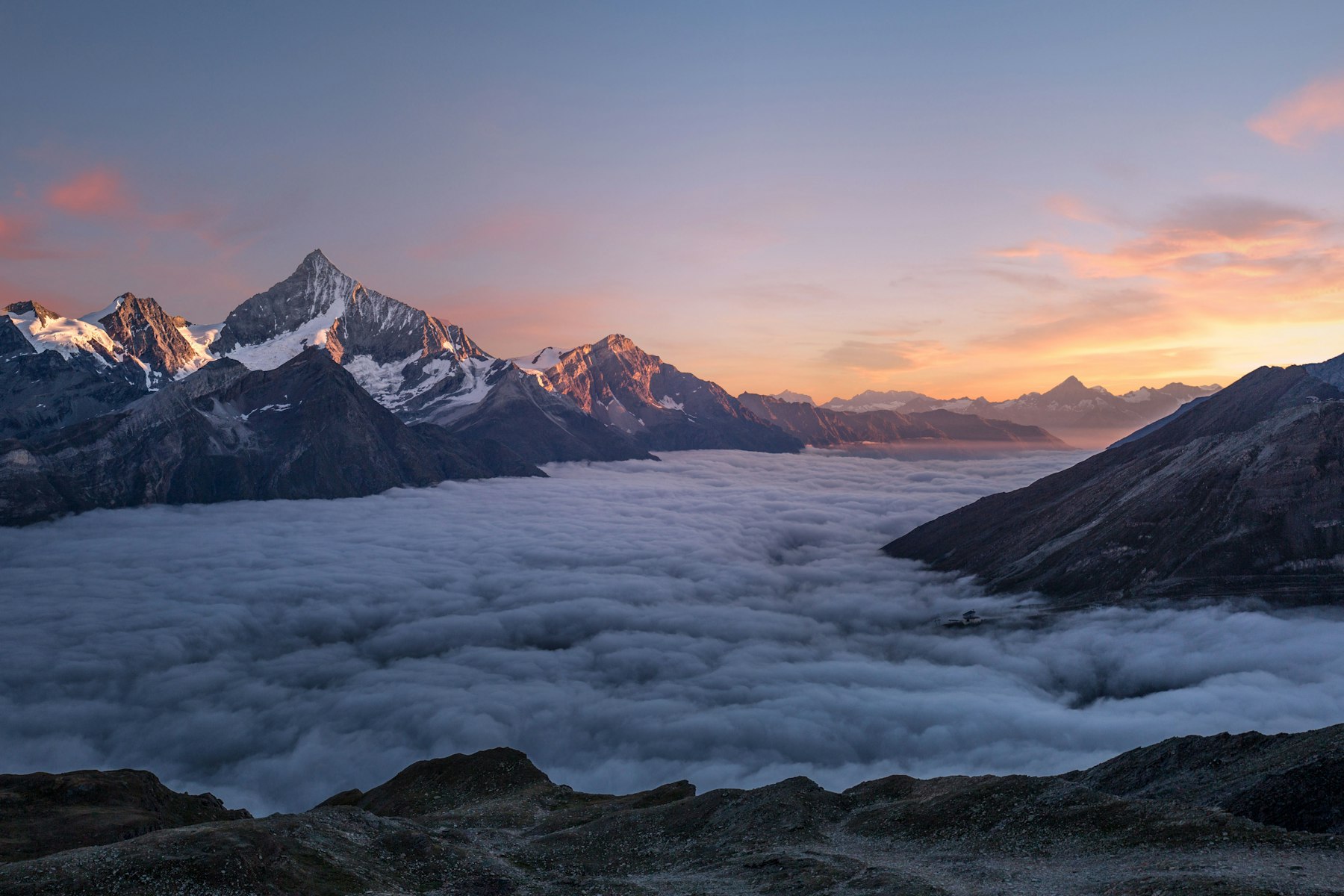
The Yukon — Larger Than Life
Capital: Whitehorse · Population: approximately 46,000 · Became a territory: 1898
The Yukon punches above its weight. It's small by population (smaller than many Ontario towns), but it's bigger than France, has one of Canada's largest national parks (Kluane), holds the country's highest peak (Mount Logan at 5,959 metres), and produced the only Canadian gold rush that everyone's heard of. The licence plate motto is "Larger Than Life" and for once the marketing is accurate.
A Compact History
The Yukon is the traditional territory of fourteen Indigenous First Nations, speaking eight different languages. The Hudson's Bay Company explored the region in the 1840s. The Klondike Gold Rush of 1896-1899 is what made the Yukon famous worldwide — roughly 100,000 people set off for the Klondike, perhaps 30,000 arrived, and something like 4,000 actually found gold. Dawson City went from nothing to 40,000 people in three years, then back down to a couple of thousand. The Yukon became a separate territory in 1898 at the height of the rush. Mining is still important; tourism has become the largest private employer.
Whitehorse
Whitehorse is the capital and by far the largest community in the territory, population about 33,000. It sits on the Yukon River in a valley sheltered by mountains on both sides, which gives it surprisingly mild weather by subarctic standards.
Is Whitehorse a real city?
Yes, more than visitors expect. It has good restaurants, two craft breweries, the MacBride Museum (the best small museum on the Klondike Gold Rush), the Yukon Arts Centre, and a year-round local theatre scene. The SS Klondike, a sternwheeler riverboat parked on the river, is a good Parks Canada historic site. The Whitehorse Fishway, on the Yukon River, has the longest wooden fish ladder in the world — it was built to help salmon get around the hydroelectric dam.
What should I do on a short visit?
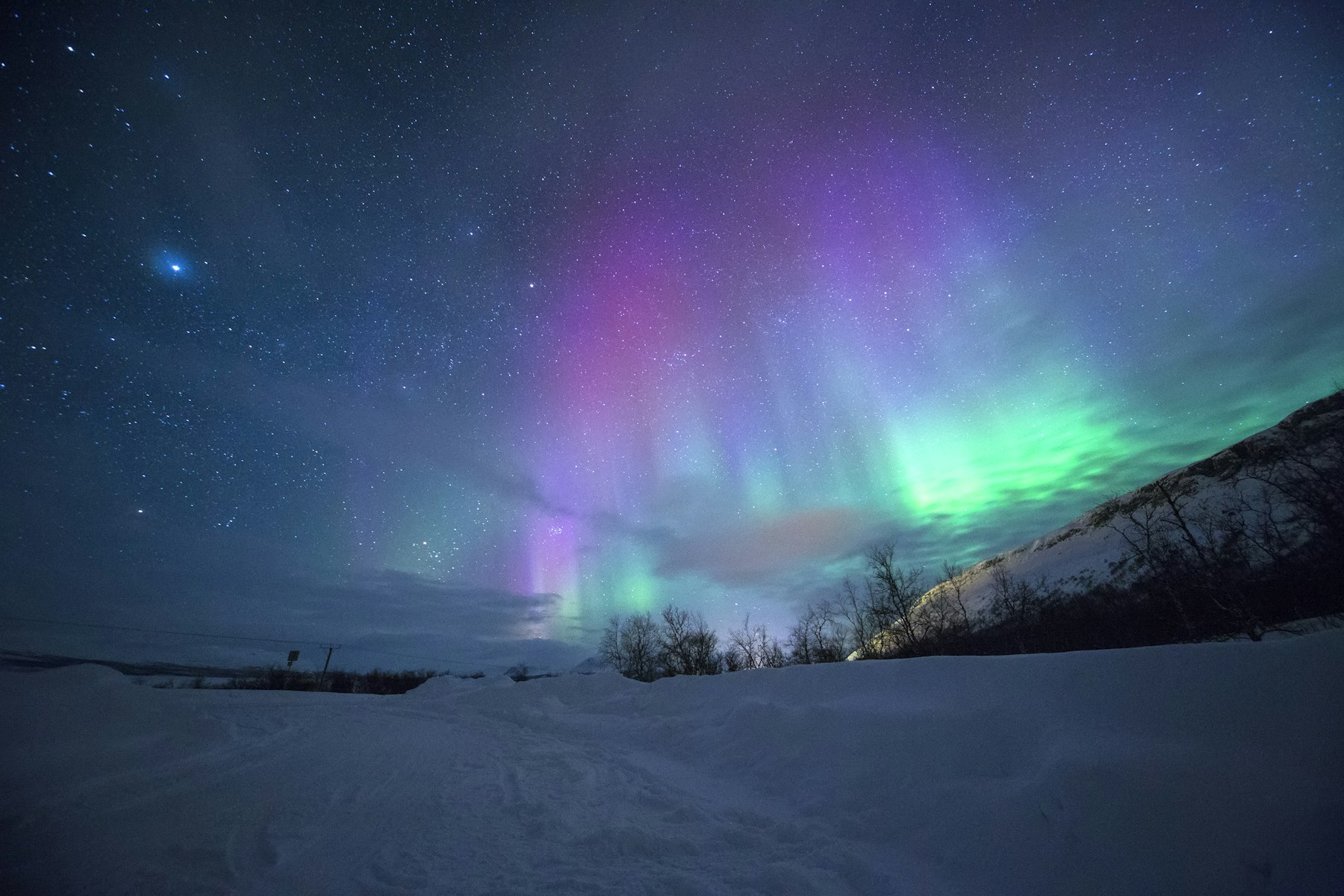
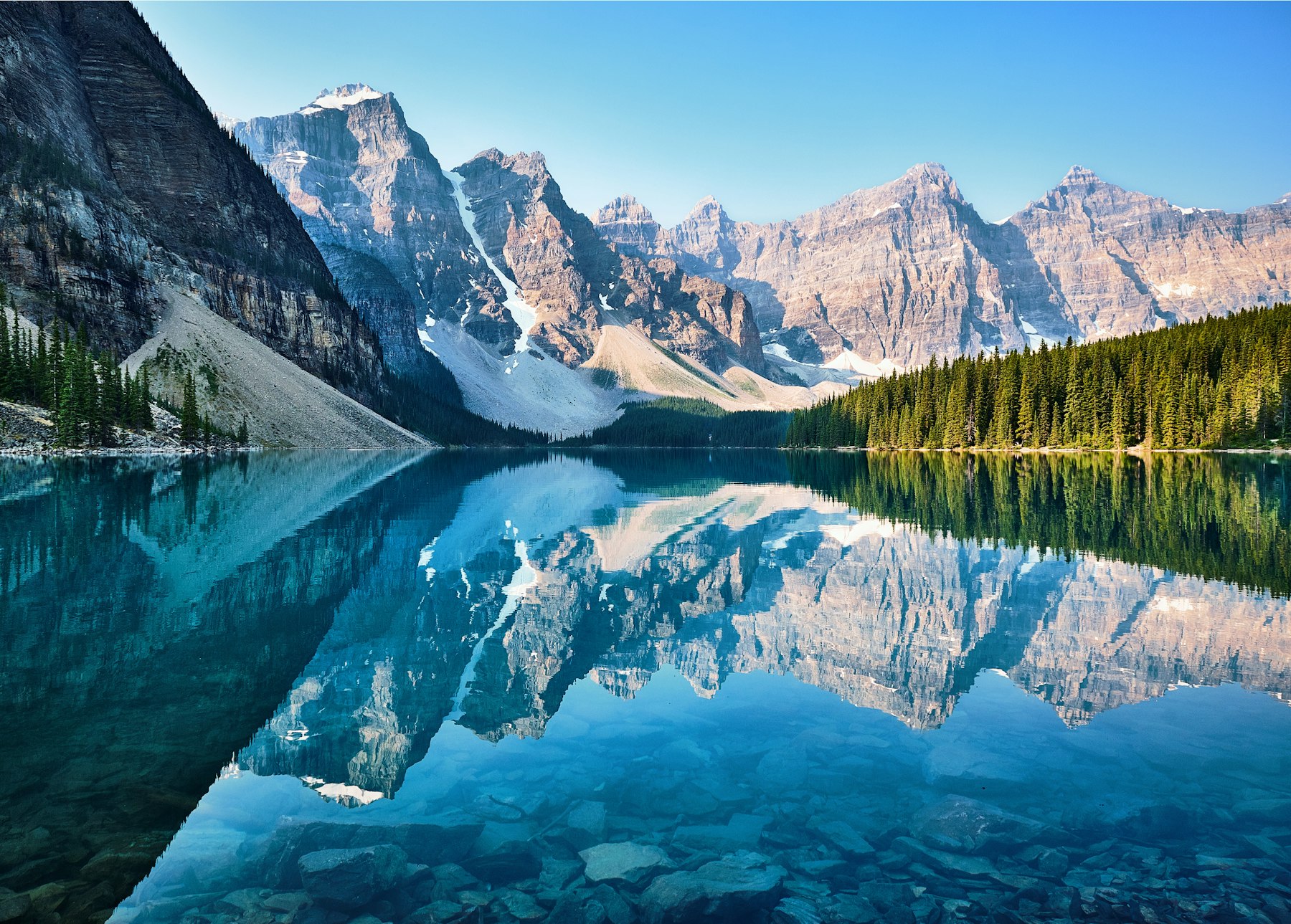
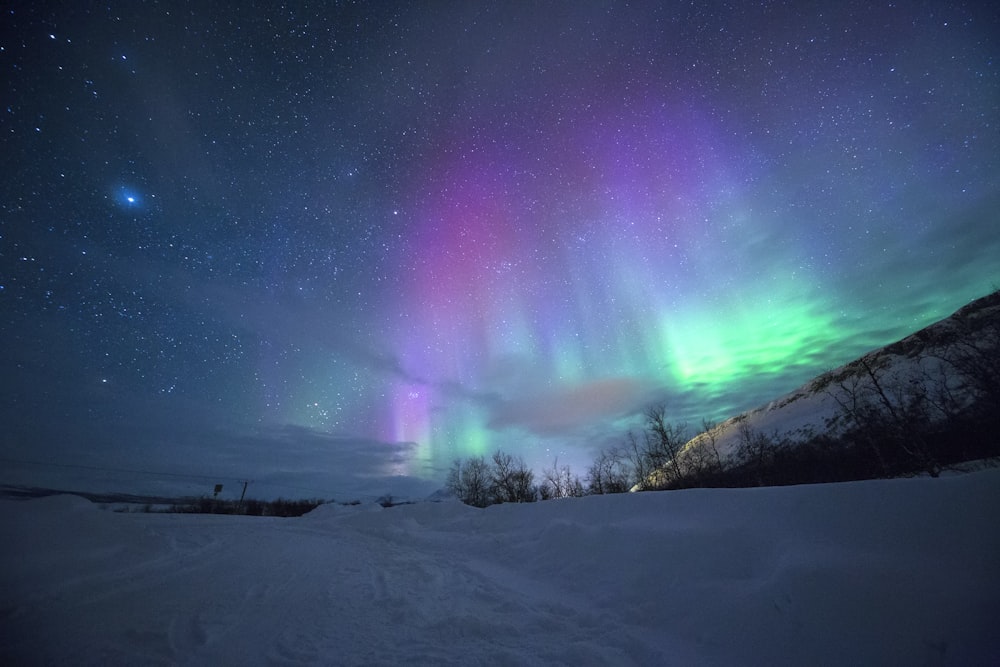
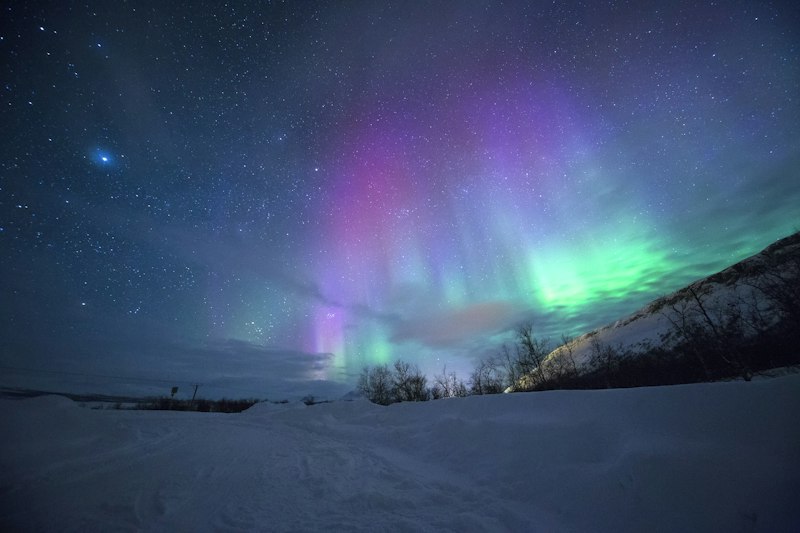
Walk the Millennium Trail along the river. Take a day trip to Miles Canyon (stunning basalt columns and a footbridge), which is 15 minutes from downtown. Drive out to Emerald Lake on the Klondike Highway — the colour is unreal and it's an easy hour's drive south. In winter, go aurora-viewing at one of the wilderness lodges an hour out of town.
How cold is Whitehorse?
Colder than Edmonton, warmer than Yellowknife. Average January highs are around -11°C and lows around -21°C. It can hit -40°C but rarely. The surprise is summer: highs can reach 28°C in July, and with 20 hours of daylight you can hike at 11 p.m.
Most Popular Museum: MacBride Museum of Yukon History
The MacBride Museum of Yukon History on First Avenue in Whitehorse is one of those institutions that manages to hold the entire character of a territory within a single building. The collection spans the full arc of Yukon history — First Nations cultures, the fur trade, the Klondike Gold Rush, the construction of the Alaska Highway — but it does so with a warmth and specificity that makes it feel personal rather than encyclopedic. The Sam McGee cabin, relocated from the shores of Lake Laberge and now standing in the museum courtyard, is one of the most photographed structures in the Yukon — Robert Service's poem "The Cremation of Sam McGee" made both the man and the lake immortal, and standing beside the actual cabin produces a pleasurable literary-geography overlap.
The museum's Gold Rush galleries are excellent without being repetitive — the Klondike story has been told many times, but the MacBride's approach through individual stories, First Nations perspectives, and the sheer physical evidence of mining equipment gives it freshness. The Natural History Gallery addresses the Yukon's extraordinary Pleistocene megafauna record — the territory has yielded some of the best-preserved woolly mammoths, horses, and short-faced bears in the world from its permafrost deposits. A half-day here provides the ideal grounding for exploring the territory.
Your Best 5 Days in Whitehorse
Whitehorse is the most northerly provincial capital in Canada — cheerful, outdoors-obsessed, and remarkably well-served with restaurants and culture for a city of 28,000. It's a genuine base camp for the Yukon's extraordinary wilderness.
MacBride Museum & the Waterfront
Start at the MacBride Museum to orient yourself in Yukon history, then walk the Yukon River waterfront trail north toward the SS Klondike National Historic Site — the restored 1937 sternwheeler that represents the last great era of river transportation in the territory. The ship is dry-docked on the bank and free guided tours run throughout the day. The Miles Canyon trail south of the city gives a taste of the geography that stopped stampeders on the gold rush trail.
Carcross & Lake Bennett
Drive south on the South Klondike Highway to Carcross, a small community at the junction of two glacial lakes that served as a significant crossroads for Tlingit traders long before the gold rush. The Carcross Desert, covering just 2.6 square kilometres, is sometimes called the world's smallest desert — windswept sand dunes left by a glacial lake bottom. Continue to Log Cabin and the BC border for views over Lake Bennett, where tens of thousands of stampeders built boats in the winter of 1897–98 and launched onto the Yukon River in the spring.
Kluane National Park Day Trip
Drive west on the Alaska Highway to Kluane National Park, one of the largest protected wilderness areas in the world. The Dall sheep visible on the slopes above Sheep Mountain are often visible with the naked eye from the road. Walk the Auriol Trail or the St. Elias Lake trail for deeper wilderness immersion. The Kluane Museum of Natural History in Burwash Landing provides excellent context for the park's glacier, wildlife, and First Nations heritage. Return to Whitehorse in the evening.
Yukon Wildlife Preserve & Takhini Hot Springs
The Yukon Wildlife Preserve offers the most reliable wildlife viewing in the territory — bison, elk, muskoxen, moose, mountain goats, and woodland caribou roam through large natural enclosures along a 6-kilometre drive or walk. It's not wilderness viewing, but as a way to observe animals at close range, it's genuinely impressive. In the afternoon, Takhini Hot Springs north of Whitehorse has outdoor pools fed by natural mineral water that stay open year-round — floating in warm water under the northern sky is one of the better Yukon experiences.
Yukon River Paddle & Departure
Rent a canoe or join a guided float trip on the Yukon River below Whitehorse for a morning on the water that put the landscape in proper perspective — the river is enormous, slow, and utterly indifferent to the small settlements on its banks. The Miles Canyon section above town offers more technical interest. Return to Whitehorse for a final afternoon at the Arts Centre or the Yukon Permanent Art Collection gallery. The First Nations Beringia Interpretive Centre near the airport makes an excellent final stop before departure — the Pleistocene megafauna exhibits are outstanding.
Dawson City

Dawson City sits at the confluence of the Yukon and Klondike Rivers, about a 6-hour drive north of Whitehorse on the Klondike Highway. Its peak population was about 40,000 during the gold rush in 1898; today it's around 1,400. The wooden sidewalks, false-fronted buildings, and unpaved streets have been preserved almost intact — Parks Canada runs much of the town as a living historic site.
Is Dawson still a gold-rush town?
Partly — placer mining is still active in the Klondike, and the dredges that reshaped the landscape a century ago are Parks Canada sites. It's also a festival town (Dawson City Music Festival in July, the International Short Film Festival in April), a writers' retreat (Pierre Berton's childhood home is now a writers-in-residence program), and the starting point of several long-distance road trips, including the Dempster Highway to the Arctic Ocean.
What's the Sourtoe Cocktail?
A drink at the Downtown Hotel's Sourdough Saloon that includes a dehydrated, mummified human toe. Your lips must touch the toe for you to become a member of the Sourtoe Cocktail Club. It's been running since 1973. Multiple toes have been lost over the years. The bar will tell you the whole history.
Is Dawson worth the drive?
Yes, if you have three days to spare. Two for Dawson and one each way on the drive. The road itself (especially the Tintina Valley stretch) is beautiful.
Most Popular Museum: Dawson City Museum
The Dawson City Museum occupies the former Territorial Administration Building — a 1901 federal building that is itself a historic artifact of the brief, extraordinary period when Dawson City was the largest Canadian city west of Winnipeg. At the height of the gold rush in 1898, Dawson had a population of over 40,000 people crammed into a swampy flat at the confluence of the Yukon and Klondike rivers, and the building was constructed to impose bureaucratic order on one of the most chaotic human gatherings in North American history. Today the museum uses this setting to tell the full gold rush story — the stampede, the Tr'ondëk Hwëch'in displacement, the rise and fall of the mining economy, and Dawson's unlikely reinvention as an arts and heritage destination.
The museum's collection of gold rush artifacts, photographs, and personal documents is outstanding — the photographs alone, by men like Eric Hegg, document the stampede with a visual richness that no prose narrative matches. The film archive has original footage of the rush. Outside the building, the streetscape of Dawson City itself is the most extensive collection of intact gold rush-era architecture in North America, and simply walking the unpaved streets between the colourfully painted false-front buildings produces a sustained sense of temporal displacement that is unique in Canada.
Your Best 5 Days in Dawson City
Dawson City is one of the most distinctive destinations in Canada — a gold rush town preserved in remarkable detail, surrounded by wilderness, and animated by a small, fiercely independent creative community that holds one of the country's best arts festivals each summer.
Town, Museum & the Midnight Dome
Walk the unpaved streets of Dawson City from the riverfront past the Palace Grand Theatre, the Commissioner's Residence, and Diamond Tooth Gertie's gambling hall (the only legal casino in the Yukon). Visit the Dawson City Museum in the afternoon. In the evening — if you're visiting in June or July — drive up to the Midnight Dome for views over the Klondike Valley and Yukon River flats in the never-setting sun. The light at midnight in June is extraordinary.
Bonanza Creek & Dredges
Drive up Bonanza Creek Road to the Discovery Claim, where George Carmack, Skookum Jim, and Dawson Charlie made the strike in August 1896 that started everything. The interpretive trail explains the claim-staking system and the hydraulic mining methods that reshaped the valley. Further up the road, Dredge No. 4 National Historic Site preserves the largest wooden hull gold dredge in North America — a floating factory that dug up the valley floor for decades after the individual miners were long gone.
Tr'ondëk Hwëch'in Heritage Site
Cross the Yukon River by ferry to the Tr'ondëk Hwëch'in cultural sites on the west bank. The Tr'ondëk Hwëch'in — "people of the river" — occupied the Dawson area long before the gold rush, and their displacement during the rush and subsequent history is told with clarity and dignity at the heritage sites near the village of Moosehide. The guided tours operated by Tr'ondëk Hwëch'in cultural staff are the most important historical experience in the Dawson area.
Top of the World Highway
Drive the Top of the World Highway west from Dawson — so named because the road runs along a ridgeline with unbroken views in every direction, above the treeline, with the tundra rolling away to the horizon. The road crosses into Alaska at the Poker Creek border crossing (seasonal) for those wanting to set foot in another country before turning back. The views along this road, particularly in late afternoon, are among the finest in the North.
Yukon River Float
The classic departure from Dawson is by canoe down the Yukon River — Dawson to Eagle or Circle in Alaska is a beloved multi-day wilderness trip. For a single-day taste, a guided float of 20–30 kilometres on the Yukon River below town puts you on the same water the stampeders travelled in 1898, in a silence broken only by ravens and the occasional splash of a paddlefish. Alternatively, the Klondike Highway south back to Whitehorse passes through some of the most dramatic and least-visited terrain in the Yukon — allow the full day and stop frequently.
Kluane National Park & Reserve
Kluane is the Yukon's flagship national park, a UNESCO World Heritage Site (together with the adjacent Wrangell-St. Elias in Alaska, Glacier Bay in Alaska, and Tatshenshini-Alsek in BC — the largest protected wilderness on Earth). Mount Logan, Canada's highest peak, is here. So is the largest non-polar icefield in the world. Most visitors don't see much of it on foot — the back country is serious mountaineering — but the visitor centre at Haines Junction, the Kings Throne day hike, and the flight-seeing tours out of Haines Junction give you a sense of the scale.
Most Popular Museum: Kluane Museum of Natural History
The Kluane Museum of Natural History in Burwash Landing is a small but scientifically serious institution that serves as the primary interpretive gateway to the natural wonders of Kluane National Park. The museum's collection of mounted local wildlife — grizzly bears, Dall sheep, wolverine, moose, and the full cast of Kluane's fauna — provides an intimate encounter with animals that are often seen only at distance in the field. But the museum's most distinctive contribution is its geological interpretation: Kluane sits at the convergence of the Pacific and North American tectonic plates, within a mountain system that is still actively rising, and the display materials explain the park's extraordinary geology — including the fact that the St. Elias Mountains contain the largest non-polar icefields in the world — with genuine clarity.
The Southern Tutchone cultural materials and historical documentation of the Kluane Lake area's First Nations heritage add an essential human dimension to what might otherwise be purely a natural history institution. For those venturing into the park on foot or by air, a stop at this museum before entering is time genuinely well spent — the context it provides for what you're about to see transforms the experience.
Your Best 5 Days in Kluane National Park & Reserve
Kluane is one of the wildest and most spectacular protected areas in the world — an UNESCO World Heritage Site that encompasses the greatest concentration of glaciers outside the polar regions, the highest peaks in Canada, and wildlife populations that have remained essentially undisturbed since the last ice age.
Sheep Mountain & Visitors Centre
Stop at the Kluane National Park Visitor Centre in Haines Junction for permits and trail conditions, then drive to the Sheep Mountain Visitor Centre at Km 1707 of the Alaska Highway. Dall sheep are frequently visible on the steep slopes above the road without binoculars — white dots against the grey rock. Walk the Slims River West trail for the most dramatic accessible views of the Kaskawulsh Glacier snout and the river valley it formed. The evening light on the St. Elias peaks from the highway turnouts along Kluane Lake is exceptional.
Glacier Flight-Seeing
Book a flight-seeing tour over the St. Elias icefield — there is no ground-based experience that prepares you for what you see from the air. The Kaskawulsh, Hubbard, and Logan glaciers form part of the largest non-polar glacier system in the world, and Mount Logan (5,959 metres, the highest peak in Canada) rises from the icefield with a massiveness that defies comprehension. Icefield Discovery and other operators fly from Haines Junction. This is the single most important experience in the Kluane area and worth every dollar.
Kathleen Lake & King's Throne
Hike the King's Throne trail from Kathleen Lake — the most rewarding day hike in the park and the one that most reliably delivers the Kluane experience. The trail climbs through subalpine meadows to the cirque rim above the lake, with views that extend across the front ranges to the icefield peaks behind. Dall sheep are commonly seen on the upper slopes. The lake below, fed by glacial meltwater, has a colour somewhere between turquoise and jade that you won't forget quickly.
Haines Junction & Champagne-Aishihik
Spend a morning in Haines Junction, the small community at the park's main gate and home to the Champagne and Aishihik First Nations. The Da Ku Cultural Centre provides a thorough and moving introduction to Southern Tutchone history and contemporary life. Drive south on the Haines Road toward the BC border — one of the most spectacular drives in the Yukon, with the St. Elias front ranges rising to the west and the Tatshenshini valley opening to the south.
Dezadeash Lake & the Return
Paddle or walk the Dezadeash River trail from Dezadeash Lake — a gentler landscape than the alpine zones elsewhere in the park, with good bird life in the marsh edges and sometimes grizzly bears on the gravel bars. Return to Whitehorse along the Alaska Highway, stopping at Champagne for the Southern Tutchone fish camp site interpretation and at Canyon Creek for the bridge view over the gorge. The drive back gives you the measure of the territory: distances that humble, landscapes that silence, and skies that make everything feel possible.
The Dempster Highway
The Dempster is the only public road in Canada that crosses the Arctic Circle. It runs 736 km from just east of Dawson City to Inuvik, Northwest Territories, and since 2017 has continued another 138 km to Tuktoyaktuk on the Arctic Ocean. It's gravel the whole way. Most drivers do it in four or five days. Only for the well-prepared — mechanical problems are serious and help is far away — but one of the great road trips in North America.
Most Popular Museum: Tombstone Interpretive Centre
The Tombstone Territorial Park Interpretive Centre, located at Kilometre 72 of the Dempster Highway, is the logical starting point for anyone venturing into one of the most dramatic landscapes in northern Canada. The centre documents the natural history and cultural geography of the Tombstone Mountains and the surrounding Tr'ondëk-Klondike World Heritage Area — a landscape shaped by permafrost, polychrome tundra, and mountain peaks of ancient black granite that give the area its distinctive and slightly sinister name. The Hän-speaking First Nations cultural material is particularly strong, documenting the caribou-centred way of life that sustained human populations in this environment for millennia.
The interpretive centre makes clear what it would take several days in the field to grasp: that the Dempster Highway passes through one of the most significant ecological transition zones in North America, moving from boreal forest through subalpine tundra to the full Arctic tundra of the Mackenzie Delta. No other public road in Canada crosses this full sequence of northern ecosystems, which is why the Dempster is routinely named among the finest road trips in the world.
Your Best 5 Days on the Dempster Highway
The Dempster Highway runs 736 kilometres from the Klondike Highway junction near Dawson City through the Tombstone Mountains, across the Arctic Circle, and on to Inuvik in the Northwest Territories. It is not a road you drive casually — it requires preparation, two spare tires, and genuine respect for remoteness.
Tombstone Mountains
Drive north from Dawson City to the Tombstone Interpretive Centre at Km 72. Stop for the interpretive displays and then walk the Grizzly Lake or Goldensides trails into the Tombstone Mountains — the jagged black granite peaks above the polychrome tundra create one of the most dramatic landscapes in Canada. Camp at the Tombstone campground. In September, the tundra turns every shade of crimson, orange, and gold simultaneously. Grizzly bears are frequently seen from the highway in this section.
Eagle Plains & the Arctic Circle
Drive north through the Ogilvie Mountains to Eagle Plains, the mid-point fuel and accommodation stop at Km 369. Continue to the Arctic Circle crossing at Km 405 — a roadside marker worth photographing. The tundra above Eagle Plains supports the Porcupine Caribou herd migrations; in late summer and fall, the herds can number in the tens of thousands and the sight of the migration crossing the highway is one of those wildlife experiences that defies adequate description.
Peel River & Fort McPherson
Cross the Peel River by free government ferry (open in summer; ice bridge in winter) into the Northwest Territories. Fort McPherson is a Teetł'it Gwich'in community at the edge of the Mackenzie Delta region with a history that includes the tragic Lost Patrol of 1911, when four RCMP officers died attempting to make the overland journey to Dawson in winter. The small museum here documents that story and the community's cultural heritage. The delta landscape begins to open beyond McPherson — vast, flat, and extraordinary.
Arctic Red River & Tsiigehtchic
Cross the Arctic Red River to Tsiigehtchic (Arctic Red River), another Gwich'in community at the confluence of the Arctic Red and Mackenzie rivers. The view of the massive Mackenzie from the ferry crossing — the second-longest river in North America — gives the scale of the delta that the road cannot convey. Continue through the delta to Inuvik, the largest community north of the Arctic Circle accessible by road, for the night. The Mackenzie Delta seen from the air (on the approach to Inuvik airport) is one of the most extraordinary natural landscapes in the country.
Inuvik & the Tuktoyaktuk Highway
The Dempster Highway recently extended to Tuktoyaktuk on the Arctic Ocean via the all-season Tuktoyaktuk Highway — making it possible to drive from the southern border to the Arctic Ocean entirely on public road. Drive the final 137 kilometres to Tuk, dip your hand in the Arctic Ocean, and photograph the massive pingo mounds that dot the tundra around the community. These ice-cored hills, unique to permafrost environments, are among the largest on earth. Then make the return journey — the Dempster rewards repeated travel in both directions.
Yukon FAQs
When should I visit to see the aurora?
Mid-August through mid-April, with the darkest and clearest nights typically in February and March. Whitehorse is not as reliable as Yellowknife for aurora (it's slightly further south and has more cloud cover) but still produces good viewing 50-60 percent of nights in peak season.
How much daylight is there in summer?
In Whitehorse, about 20 hours on the summer solstice. In Dawson City, about 22 hours. Above the Arctic Circle, the sun doesn't set for a few weeks in June. The psychological effect is significant — a lot of visitors don't sleep much their first few nights in the territory in June.
How do I get to the Yukon?
Fly into Whitehorse (direct daily service from Vancouver, Calgary, and seasonally Ottawa and Toronto). Alternatively, drive up the Alaska Highway from Dawson Creek, BC — it's about 1,400 km and two full days of driving to Whitehorse.
What's a Yukon gold coin?
A collectible 1-oz pure-gold coin issued by the Royal Canadian Mint featuring a Yukon landscape scene. Different from the Gold Maple Leaf. Popular with collectors who want something Canadian but slightly unusual.
Education & Post-Secondary Institutions
The Yukon's post-secondary system is small but growing, shaped by the territory's Indigenous cultures, outdoor-focused lifestyle, and the practical needs of a small northern population. Yukon University was a landmark institution when it became Canada's first university north of 60 in 2020.
Yukon University
Canada's first university north of the 60th parallel, Yukon University offers certificate, diploma, and bachelor's degree programs in education, social work, business, Indigenous language revitalization, environment, and trades. The Cold Climate Innovation centre conducts world-relevant research on energy, building, and transportation in extreme cold. The institution reflects the partnership between Yukon's First Nations governments and the territorial government.

Ayamdigut Campus (Yukon University)
The main campus of Yukon University, 'Ayamdigut' means 'going upriver' in Southern Tutchone. The campus offers the full range of Yukon University programs and houses the Cold Climate Innovation research centre. Its architecture is designed for sub-Arctic conditions and its programs are woven through with Indigenous content.

Distance & Partnership Programs
Many Yukon residents pursue degrees through partnership arrangements with Athabasca University, Royal Roads University, and UNBC. The Yukon government provides significant bursaries and scholarships to residents pursuing post-secondary education, recognizing the challenges of accessing university in a remote territory.


Sports Teams & Athletic Culture
The Yukon has no professional teams but an outsized culture of competitive wilderness sport. Dog mushing is practiced at the highest world level, the Arctic Winter Games draw circumpolar nations, and trail running around Whitehorse is taken very seriously.
YQ 1000
Yukon Quest International
The Yukon Quest is considered the toughest sled dog race in the world — 1,000 miles from Whitehorse to Fairbanks in temperatures that can drop below −50°C. Mushers carry one spare runner and receive minimal assistance. It is one of the purest tests of endurance in sport.
AWG
Arctic Winter Games
Held every two years in rotating host communities, the Arctic Winter Games bring together athletes from Alaska, NWT, Yukon, northern Alberta, Greenland and Sápmi. Events include both mainstream winter sports and Inuit and Dene traditional games.
ARC ULTR
Yukon Arctic Ultra
The Yukon Arctic Ultra runs in February covering up to 700km. Competitors race on foot, ski or fatbike along the Yukon Quest trail. One of the coldest and most remote ultramarathon events in the world, it attracts competitors from across Europe and North America.
Culture, Arts & Identity
The Yukon's cultural life moves between Indigenous heritage, Gold Rush mythology and a frontier self-reliance that is genuine rather than performed. Whitehorse has a surprisingly vibrant arts scene, driven partly by the dark winters that send people indoors and partly by a community that skews young, educated and deliberately chosen rather than born here.
First Nations of the Yukon
Fourteen distinct First Nations call the Yukon home, each with its own language, governance and cultural traditions. The Champagne and Aishihik, Kluane, Kwanlin Dün, Little Salmon/Carmacks, Na-cho Nyäk Dun, Selkirk and White River First Nations, among others, negotiated comprehensive self-government agreements with the federal government between 1993 and 2005 — among the most advanced Indigenous governance arrangements in the country. The Yukon Native Language Centre in Whitehorse works to document and revitalize languages including Southern Tutchone, Northern Tutchone, Dän K'è and Gwich'in.
The Gold Rush
The Klondike Gold Rush of 1897–98 remade the Yukon. Dawson City grew from nothing to a city of 40,000 in less than two years, complete with operas, newspapers and brothels. Jack London spent a winter here, gathering material for Call of the Wild and White Fang. The heritage buildings in Dawson are maintained by Parks Canada and the town's summer population swells each year with visitors who sense, correctly, that something about the place is genuinely unrepeatable.
Dark Winters and Art
Whitehorse winters are long and dark — the solstice brings about five hours of daylight — and the result is a lively indoor culture. The Yukon Arts Centre is among Canada's better small-city cultural venues and consistently programs work from southern Canada and internationally alongside local productions. The Baked Café is a gathering place in a way that few restaurants outside small cities manage.
The Yukon's Hall of Icons
The Yukon's hall of fame leans literary, artistic and adventurous — a function of the territory's gold-rush mythology, its overlapping First Nations cultural revival, and the small-population reality that makes everyone here a little bit famous to everyone else.
Robert Service
"The Bard of the Yukon." Service was a bank teller in Whitehorse and Dawson when he wrote The Cremation of Sam McGee and The Shooting of Dan McGrew — the two most-recited poems in Canadian literature. The Robert Service cabin in Dawson is a National Historic Site and the daily summer recital is a beloved tradition.
Jack London
The American writer's brief Yukon experience produced The Call of the Wild, White Fang and a dozen short stories — among the most influential works of nature writing in the English language. Jack London Square in Dawson preserves the cabin he wintered in.
Elijah Smith
The Yukon Indigenous leader whose 1973 document Together Today for Our Children Tomorrow launched the modern Yukon land claims process. Smith's negotiating vision shaped the comprehensive self-government agreements that now define Yukon First Nations governance.
Ivan Coyote
Storyteller, performer, and one of Canada's most influential queer-and-trans memoirists. Coyote's spoken-word performances and books (Tomboy Survival Guide, Care Of) have made them a touring fixture on Canadian university and theatre circuits.
Lucy Steele & Yukon biathlon
The Yukon punches above its weight in cross-country skiing and biathlon. Lucy Steele was a Canadian Olympic biathlete; her brother Sasha is a multiple Arctic Winter Games medalist. The Whitehorse Cross-Country Ski Club's trails are world-class.
Jerry Alfred
Juno-winning Indigenous singer-songwriter from the Selkirk First Nation. Alfred sings in Northern Tutchone and English; his albums brought traditional Yukon First Nations music to a national audience.
Larry Bagnell
Long-serving federal Member of Parliament who carried Yukon issues — Indigenous self-government, Arctic infrastructure, climate change — into Ottawa for nearly two decades. Now an active community organizer in Whitehorse.
Pierre Berton
Born in Whitehorse to gold-rush parents, Berton became one of the most prolific and beloved popular historians in Canadian publishing — The Last Spike, The National Dream, Klondike. The Pierre Berton House in Dawson is now a writers-in-residence program.
Regional Cuisine: What the Yukon Actually Eats
Yukon food is shaped by what the land and water provide and what the planes can fly in cheaply. Wild meat (caribou, moose, sheep), Yukon River salmon, Arctic char, foraged berries — and a small but ambitious Whitehorse restaurant scene that has been getting better every year.
Yukon River King Salmon
The Chinook salmon that runs the Yukon River system is one of the world's most prized salmon stocks — and one of the most threatened. Smoked Yukon king at Klondike Salmon and Sausage in Whitehorse, or grilled fresh at Antoinette's, is the most distinctive Yukon protein.
Wild Game
Caribou, moose, Dall sheep — most Yukoners' freezers contain at least one of these. The annual hunt is a community event in many First Nations communities. Restaurants in Whitehorse occasionally serve farm-raised bison or elk; the wild game is largely for home tables.
Sourdough — Yukon Style
"Sourdough" is the affectionate term for a long-time Yukoner — derived from the gold-rush practice of carrying a sourdough starter through northern winters. The actual bread is still baked: Bullocks Bistro in Yellowknife is across the border, but Klondike Rib & Salmon in Whitehorse does an excellent sourdough loaf.
Arctic Char
The Arctic char from northern Yukon and the western NWT lakes is firmer and richer than salmon, with a subtle pink flesh. Pan-fried in butter with capers and lemon. Order it at Antoinette's in Whitehorse.
Cinnamon Buns at Braeburn Lodge
The Yukon institution. Braeburn Lodge, on the highway between Whitehorse and Carmacks, sells cinnamon buns the size of dinner plates. One bun feeds a family. The lodge sits at the start of the Yukon Quest sled-dog race, which adds a layer of mythology.
Wild Berries
Cranberry, lingonberry, cloudberry, blueberry. Foraged in late summer and into the fall. Made into jam, syrup, and the locally beloved cranberry sauce on caribou. The Burnt Toast Cafe in Whitehorse uses local berries on their pancakes.
Whose Land Are You On?
The Yukon is the homeland of fourteen distinct First Nations whose presence here predates the territory itself by thousands of years. Eleven of those First Nations are signatories to comprehensive self-government agreements — among the most advanced Indigenous governance arrangements in Canada.
The Umbrella Final Agreement
Signed in 1993, the Umbrella Final Agreement is the framework under which individual Yukon First Nations negotiated comprehensive land claims and self-government agreements. Eleven of fourteen Yukon First Nations have signed individual final agreements, giving them control over education, health, justice and resource management on their lands. The remaining three are in active negotiation.
The Kwanlin Dün and Ta'an Kwäch'än of Whitehorse
Whitehorse is on the traditional territory of the Kwanlin Dün First Nation and the Ta'an Kwäch'än Council. The Kwanlin Dün Cultural Centre on the Whitehorse waterfront is one of the finest Indigenous interpretive sites in northern Canada — gallery, theatre, gathering space and event venue.
The Tr'ondëk Hwëch'in of Dawson City
Dawson City is in Tr'ondëk Hwëch'in territory. The Dänojà Zho Cultural Centre on Front Street in Dawson tells the story of the Hän people — the original inhabitants of the area — and the impact of the Klondike Gold Rush on their lives. Essential, even for a one-day Dawson visit.
The Vuntut Gwitchin and the Porcupine Caribou
Old Crow, in the far north of the territory, is the home of the Vuntut Gwitchin First Nation — Canada's only fly-in-only community in the Yukon. The Vuntut Gwitchin's traditional territory includes the calving grounds of the Porcupine caribou herd, one of the largest caribou herds in North America, and the centre of a long-running international debate over oil drilling in the Arctic National Wildlife Refuge.
Your Best 5-Day Stay in the Yukon
Five days is enough to do Whitehorse and Dawson, see the Top of the World Highway, and get a real taste of what makes the Yukon different from anywhere else. The itinerary assumes a flight into YXY and a rental car (book months ahead — the rental fleet is small).
Whitehorse — Riverfront, Cultural Centre, Trails
Land at YXY, drop bags at the Edgewater Hotel or the High Country Inn. Walk the Yukon River trail. Visit the Kwanlin Dün Cultural Centre — the Indigenous interpretive centre is the best half-day visit in the territory.
Lunch at Burnt Toast Cafe. Afternoon: the SS Klondike sternwheeler, the Whitehorse Fishway (the longest wooden fish ladder in the world), and a hike up to the Whitehorse Hot Springs. Dinner at Antoinette's; nightcap on Main Street at the Dirty Northern Public House.
Drive to Dawson City — The Long Highway
The drive from Whitehorse to Dawson is six hours on the Klondike Highway — beautiful, lonely, with not much in between besides the Braeburn Lodge cinnamon-bun stop and the very small village of Carmacks. The drive itself is part of the Yukon experience.
Arrive Dawson by late afternoon. Sleep at the Aurora Inn or the Bombay Peggy's Boutique Hotel (a converted brothel, famously). Walk the gravel-road downtown — the wooden boardwalks, the painted-lady buildings, the absolute quiet. Dinner at the Drunken Goat or Klondike Kate's.
Dawson City — Klondike Country
Morning at the Dänojà Zho Cultural Centre and the Tr'ondëk Hwëch'in story. Visit the Robert Service cabin (the daily recital is at 10 a.m.) and the Pierre Berton House next door. Walk to Bonanza Creek where the gold strike happened in 1896, and try panning for gold at Claim 33.
Late afternoon: cross the Yukon River on the free ferry to West Dawson. Dinner at the Aurora Inn or, if it's running, the Sourtoe Cocktail at the Downtown Hotel — an actual mummified human toe in a shot glass, dropped into your drink. The membership badge is yours afterwards.
Top of the World Highway & Tombstone
Two great drive options today. Option A: the Top of the World Highway, 79 miles of unpaved ridgeline driving from West Dawson to the Alaska border. The road takes six hours round trip and the views are extraordinary — you really do drive across the top of the world.
Option B: drive an hour north on the Dempster Highway to Tombstone Territorial Park. The Tombstone interpretive centre, the Tombstone Mountain viewpoint, and a hike up to the Grizzly Lake trail. Sleep back in Dawson.
Fly Back to Whitehorse, Hot Springs, Departure
The Air North flight from YDA back to YXY takes 1 hour 15 minutes and saves you the long drive south. From Whitehorse, take the afternoon to soak at the Takhini Hot Springs (40 minutes north of town) or the Eclipse Nordic Hot Springs (a luxe new spa).
Last dinner at the Klondike Rib & Salmon. If you're flying out late, the bar at the Yukon Inn is the unofficial lobby of half the territory — strike up a conversation, you'll learn something. Fly home.
Five Days in Whitehorse
If you're skipping the long drive to Dawson, Whitehorse alone repays a full week. Two-thirds of all Yukoners live here, the food scene has quietly become the best in northern Canada, and the trail network that fans out from the city is unlike anything else accessible from a Canadian airport. Stay downtown — everything walkable is within ten minutes of Main Street — and rent a car for at least Days 3 and 4.
Riverfront, Klondike, Cultural Centre
Coffee at Baked Café on Main Street, then a slow walk south along the Yukon River pathway with the SS Klondike looming on the bank ahead. The sternwheeler tour takes about forty-five minutes and is the best half-hour of context you can buy in town. Across the bridge, the Kwanlin Dün Cultural Centre houses the longhouse, the gallery and a riverside café where the smoked-salmon chowder is the lunch order.
Afternoon: walk the Millennium Trail loop to the Robert Service Way fish ladder — the longest wooden fish ladder in the world, in operation late June through mid-September. Dinner at Antoinette's, where the Trinidadian-Yukon fusion is the unlikely highlight of any visit. Nightcap at the Dirty Northern Public House on Main.
Miles Canyon, Schwatka Lake & the Beringia Centre
Drive ten minutes south to Miles Canyon — a basalt-walled gorge the river cuts through on its way out of town. The suspension bridge crossing is the photo; the loop trail above the canyon is the experience. Carry on to Schwatka Lake for paddleboard rentals or a quiet lakeside picnic with the float planes overhead.
In the afternoon, the Yukon Beringia Interpretive Centre out by the airport tells the story of the ice-age land bridge — woolly mammoths, scimitar cats, the giant short-faced bear — better than any museum south of the 60th parallel. Dinner at Burnt Toast Cafe; if you have energy left, the Yukon Brewing tour on Industrial Road is forty-five minutes and worth it.
Takhini Hot Springs & the Yukon Wildlife Preserve
Drive 25 minutes north to the Yukon Wildlife Preserve, 700 acres of fenced boreal forest where you can see muskoxen, woodland caribou, lynx, mountain goats and Dall sheep at distances that don't happen in the wild. Allow two hours — the loop is walkable or drivable.
Two minutes further up the road, Takhini Hot Springs has been the soak of choice for a hundred years; the newer Eclipse Nordic Hot Springs next door has the Scandinavian-style hot/cold circuit and a wood-fired sauna with a window onto the spruce forest. Dinner back in Whitehorse at Wayfarer Oyster House — yes, oysters, in the Yukon, and yes, they're flown in fresh twice a week.
Carcross, Emerald Lake & the South Klondike Highway
The drive south from Whitehorse to Carcross is one of the prettiest day-trip routes in the territory. Stop at Emerald Lake — the colour is real, a function of marl and angle of light — and at the Carcross Desert, the smallest desert in the world. Carcross itself is a Tagish-Tlingit village with carved totems, the Matthew Watson General Store (oldest operating store in the Yukon) and a coffee at Bistro on Bennett.
Push on if you want to the White Pass Summit and the U.S. border (your passport gets you across; you can be back for dinner). Otherwise, swing back to Whitehorse via the Annie Lake Road for moose. Dinner at G&P Steakhouse, the locals' steak room, or Klondike Rib & Salmon if you missed it earlier.
Trails, MacBride Museum, Departure
Spend the morning on Whitehorse's trail network — it really is the city's secret. The Grey Mountain trails climb from McIntyre Creek to a ridge above town with views to the St. Elias Mountains; the Chadburn Lake loop is gentler and quieter. If the weather doesn't cooperate, the MacBride Museum on First Avenue is the territorial archive in a series of historic buildings — Sam McGee's actual cabin among them.
Last meal at Klondike Salmon & Ribs or the Edgewater dining room (the Sunday brunch is a Whitehorse institution). YXY's check-in is unhurried — give yourself ninety minutes and you'll still have time for a bag of Bean North coffee for the flight home.
Commerce & Industry
The Yukon's economy carries the weight of one of the most powerful origin stories in Canadian history — the 1898 Klondike Gold Rush that brought 100,000 stampeder to the watershed of the Klondike River and built Dawson City overnight into one of the largest cities west of Winnipeg. Gold still matters to the Yukon, but the territory has had to build an economy beyond the metal that defined it, on a landscape that is simultaneously one of the most spectacular and one of the most logistically challenging in the country to do business in.
1. Mining — Gold, Silver & Base Metals
The Klondike placer gold fields outside Dawson City still produce gold by placer dredge and sluice operations. But the most significant current mining operation is Victoria Gold's Eagle Gold Mine in the Dublin Gulch area, which began production in 2019 and produced more than 200,000 ounces of gold in its first full years of operation. The Selwyn-Anvil district near Watson Lake contains one of the world's largest undeveloped lead-zinc deposits. The Whitehorse Copper Mine operated for decades; additional copper, silver, and zinc properties are in various stages of exploration and permitting throughout the Yukon's extensive mineral tenure.
2. Government & Public Sector
The Government of Yukon — departments, Crown corporations, and the Legislative Assembly — and the federal government together employ a majority of the territory's formal workforce. In a territory of 43,000 people where no major urban manufacturing centre exists, the public sector is the structural backbone of the economy in a way that would be uncomfortable for libertarian economists but is simply practical reality for northern governance. The RCMP, Canadian Armed Forces (Yukon has a Canadian Ranger component and a reserve unit), Parks Canada (operating three national parks and two national historic sites), and various federal agencies add a substantial federal layer.
3. Tourism
The Yukon has developed one of Canada's most sophisticated adventure and wilderness tourism economies. Aurora viewing above Whitehorse — the Yukon sits squarely under the auroral oval, with reliably clear skies above the timber line — draws Japanese and European visitors in enormous numbers for a territory of its size, and Whitehorse's aurora lodges represent some of the most concentrated high-end wilderness hospitality in the country. Kluane National Park, a UNESCO World Heritage Site and home to the St. Elias Mountains and the world's largest non-polar icefield, draws mountaineers, backcountry skiers, and trekkers. Tombstone Territorial Park's jagged quartzite peaks are increasingly recognized as among the most dramatic landscapes in North America. Dawson City — the original boomtown, now a town of 1,500 that feels culturally larger than its size — draws history, canoe, and arts tourists drawn by the Klondike gold rush legacy and the Dänojà Zho Cultural Centre.
4. Construction
Building and maintaining infrastructure in the Yukon is a perpetual economic driver. The Alaska Highway, built as a military road in 1942 and now the territory's main arterial spine, requires constant maintenance in a climate that freezes, thaws, and heaves the permafrost beneath it. New mine access roads, the ongoing Whitehorse housing construction program, school and healthcare infrastructure in smaller communities, and the development of alternative energy installations all generate significant construction employment in a territory where tradespeople are chronically scarce and labour costs are correspondingly high.
5. Traditional Economy
The 14 First Nations of the Yukon — 11 of which have comprehensive self-government agreements, the most of any Canadian jurisdiction — maintain hunting, fishing, and gathering traditions that are economically meaningful even if they don't show up well in conventional GDP accounting. Harvesting moose, caribou, salmon, and Dall sheep is both food security and cultural continuity; the two are inseparable in the Yukon's Indigenous communities. First Nations development corporations — operating everything from construction companies to tourism lodges to resource extraction partnerships — are the fastest-growing formal economic sector within First Nations communities.
6. Arts & Crafts
The Yukon Arts Centre in Whitehorse, the Klondike Institute of Art and Culture in Dawson City, and a network of First Nations cultural organizations produce visual art, film, music, and craft at a level of quality that earns international attention disproportionate to the territory's size. First Nations beadwork, caribou hide garments, and jewellery incorporating Yukon gold are exported and collected. The arts community is a genuine economic sector in a small economy, and the Yukon government has invested in it accordingly.
7. Retail & Services — Whitehorse as Regional Hub
Whitehorse, with roughly 30,000 of the territory's 43,000 residents, functions as the retail, medical, legal, and administrative hub for the entire territory. Residents of communities from Watson Lake to Old Crow fly to Whitehorse for healthcare, shopping, court appearances, and government services. The Whitehorse retail sector — anchored by Canadian Tire, Walmart, Real Canadian Superstore, and a growing independent retail scene — is sustained as much by this regional role as by its own resident population.
8. Telecommunications Infrastructure
Connectivity is an economic development issue in the Yukon in ways that southern Canadians rarely think about. Northwestel's fibre backbone along the Alaska Highway corridor, the Dempster Fibre project connecting Dawson City and Inuvik, and satellite broadband investments have significantly improved connectivity for remote communities. Reliable internet has enabled telehealth, distance education for First Nations communities, and remote work options that have helped retain young Yukoners who might otherwise have left for larger centres.
9. Clean Energy
The Yukon generates about 95 percent of its electricity from the Yukon Energy Corporation's hydro and diesel plants, with the Whitehorse Rapids generating station on the Yukon River as the cornerstone. There is significant potential for wind power — several sites in the southern Yukon have been identified with Class 6 and 7 wind resources — and the territory has set a target of sourcing at least 97 percent of its electricity from renewable sources by 2030. Several First Nations communities are already operating their own micro-hydro and wind installations.
10. Research & Permafrost Science
The Yukon Research Centre at Yukon University and the Aurora Research Institute support a significant scientific presence. Permafrost research — tracking the warming and thawing of ground ice that underlies roads, buildings, and indigenous infrastructure across the territory — is of global scientific significance and draws international research funding. Paleontology is a growing field: the Yukon's permafrost has preserved woolly mammoths, giant beavers, and other Pleistocene megafauna in conditions of extraordinary completeness, and the Yukon Beringia Interpretive Centre in Whitehorse is the world's best place to understand the Ice Age ecosystem that crossed the Bering land bridge.
Politics
Yukon territorial politics have been livelier in the past decade than the territory's small size might suggest. The NDP governed for a period under Dennis Fentie (who crossed from the NDP to the Yukon Party in 2002, dragging the government with him), the Yukon Party held power for years before the Liberals won in 2016 under Sandy Silver, and the Liberals have held on — just — through a 2021 election that produced a minority government and a change of Liberal leaders. The territory is politically diverse in ways unusual for a jurisdiction where everybody knows everybody.
The Liberal Party of Yukon & Premier Ranj Pillai
Ranj Pillai became leader of the Yukon Liberal Party in December 2022 and was sworn in as premier in February 2023, succeeding Sandy Silver who had led the party since 2016. Pillai is the first person of South Asian heritage to serve as premier of a Canadian jurisdiction — a milestone in a territory that has historically been governed by the descendants of settler and gold rush families. He came to the liberal leadership as a former cabinet minister with experience in economic development and Indigenous relations.
Pillai's government has focused on housing affordability in Whitehorse — the territory's housing crisis, driven by a rental vacancy rate near zero, is among the most acute in Canada per capita — on Indigenous self-government implementation and land claims finalization (several Yukon First Nations are still in negotiation), on renewable energy infrastructure, and on the economic development of communities outside Whitehorse that have been left behind by the capital's growth. The government has also navigated the complex politics of the mining sector in a territory where environmental assessment and First Nations consultation requirements have slowed major projects that the territory's economy needs to replace aging revenue streams.
The Yukon Party under Currie Dixon forms the official opposition, with strength in rural Yukon communities and the trades and resource sector. The NDP hold a handful of seats in Whitehorse and provide the most progressive policy pressure in the legislature. The balance of power in Yukon elections often comes down to a few hundred votes in a handful of swing ridings — a reminder that in a territory of 43,000 people, political outcomes are genuinely personal.
A Poem for The Yukon
A poem for the wild north
The Klondike brought them here for gold in 1898 —
a hundred thousand dreamers on the trail
through Chilkoot Pass and White in the freight
of winter, half of them prepared to fail.

Most failed. The Tr'ondëk Hwëch'in watched
the tent city rise where their fish camp was,
watched forty thousand strangers who had botched
their planning crowd the riverbank, because

the world will always follow gold. The dredges
came after the individual men,
and tore the valley floor along its edges
for decades, then went quiet once again.

Now Dawson keeps its false fronts painted bright
against the permafrost and polar dark.
The Midnight Dome catches the June light
above the rivers' junction and the mark

of everything that happened here. The bears
return to the same creeks the stampeders crossed.
The Dall sheep navigate the same affairs
of altitude and season, at no cost

to their dignity. The Yukon River runs
north and west to the Bering Sea, as it
has since the glaciers freed it — and the suns
of solstice light the tundra, every bit

of it on fire with fireweed and stone.
This is the country where you understand
why silence is not empty, and alone
is not the same as lost. The land

is its own argument. The mountains speak
in geological time, not ours.
The creek names still hold French and English, Creek
and Tlingit — all the languages of hours

that mattered here. The aurora is
the last word every night, in green and white:
the sky reminding us that none of this —
not claim nor road nor city — owns the light.