
Saskatchewan — Land of Living Skies
Capital: Regina · Population: approximately 1.23 million · Joined Confederation: 1905
Saskatchewan is the province Canadians joke about without having been there. It's flat, it's cold in winter, it doesn't have mountains, and the drive across it on the Trans-Canada Highway is the longest-feeling stretch of the cross-country trip. All true. What's also true is that Saskatchewan has some of the best night skies in North America (the licence-plate motto, "Land of Living Skies," is not marketing — the light is genuinely different here), a food culture that's a quiet mix of Ukrainian, Indigenous and British farmhouse traditions, and a social-democratic political history (medicare was invented here under Tommy Douglas in the 1960s) that shaped the rest of the country.
A Compact History
Cree, Saulteaux, Assiniboine, Dakota and Dene nations have lived across what is now Saskatchewan for millennia. The Métis Nation settled in the river valleys from the 1700s onward. The North-West Rebellion of 1885, led by Louis Riel and Gabriel Dumont, played out largely in Saskatchewan — at Duck Lake, Fish Creek, and Batoche. The province was carved out of the North-West Territories in 1905, along with Alberta.
Twentieth-century Saskatchewan is the story of wheat. Mennonite, Ukrainian, German, Hutterite and Scandinavian settlers broke the prairie for farms between 1900 and 1930. The Dust Bowl and the Great Depression hit harder here than almost anywhere else in Canada. Out of that came Tommy Douglas and the Co-operative Commonwealth Federation (later the NDP), who built the first universal hospital insurance in North America in the 1940s and the first universal medicare program in the 1960s.
Saskatoon

Saskatoon is the largest city in Saskatchewan, metro population about 340,000. It sits on the South Saskatchewan River, which cuts a broad valley through the prairie. Seven bridges span the river inside the city; "the City of Bridges" is the unofficial nickname.
Is Saskatoon worth visiting?
For most travellers, it's a stop rather than a destination, but it's a better stop than its reputation suggests. The Meewasin Valley Trail runs 90 kilometres along both sides of the river through the city. The Remai Modern art gallery (opened 2017) has the largest collection of Picasso linocuts in the world, which is a sentence that reads strangely and is also true. Broadway Avenue in the Nutana neighbourhood is the walkable shopping-and-restaurant strip. Wanuskewin Heritage Park, just outside town, is an Indigenous heritage site and active archaeological dig that has been continuously occupied for 6,400 years.
What's the weather like?
Extreme and sunny. Winter averages in Saskatoon are comparable to Winnipeg (highs around -10°C, lows around -21°C in January). Summer is warm (highs around 25°C in July, occasionally 32°C). Saskatoon has the most sunshine of any city in Canada at about 2,381 hours per year, which mostly means very bright, very cold winter days.
How expensive is Saskatoon?
Cheap. A one-bedroom apartment rents for CAD $1,100 to $1,400. The benchmark detached house is around CAD $390,000. Saskatchewan has a 6 percent PST on top of 5 percent GST (11 percent total). Restaurants and groceries are similar to Winnipeg.
Regina
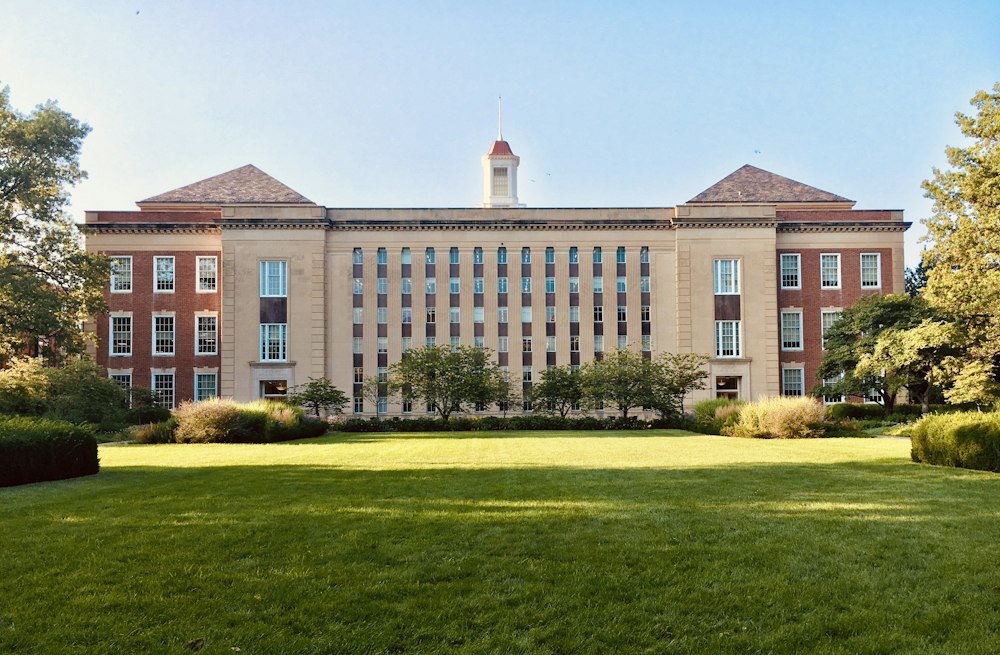
Regina is the provincial capital, a city of about 255,000 on a flat plain in southern Saskatchewan. It was named in 1882 for Queen Victoria ("regina" is Latin for "queen"). Before that it was called Wascana — a Cree name meaning "pile of bones" — which referred to the bison-bone middens the Cree had built up at the site over centuries.
What's worth doing in Regina?
Wascana Centre — a 9.3 square kilometre park around Wascana Lake in the middle of the city — holds the Legislative Building, the Royal Saskatchewan Museum and the MacKenzie Art Gallery, and is a pleasant walk in almost any season. The RCMP Heritage Centre, at the RCMP's training academy ("Depot") on the west edge of the city, tells the story of Canada's national police force with unusual candour (including the force's role in Indigenous policy). Roughriders football at Mosaic Stadium is, for many Saskatchewan people, the single most important social event of the week between August and November.
Is Regina smaller than people expect?
Yes. The downtown is compact and walkable — you can see it all in a morning — and the city has a small-capital feel rather than a commercial-centre energy. Saskatoon has overtaken Regina in size, business activity and cultural presence, but Regina still has the legislature, the archives and the ceremonial centre of the province.
Moose Jaw & the South
Moose Jaw, population about 33,000, sits 70 km west of Regina on the Trans-Canada. Its name comes from a Cree word for a creek with a bend in the shape of a moose's jaw (or possibly from the Assiniboine word "moos gaw" meaning "warm winds" — both origins are widely claimed). The tunnels beneath downtown Moose Jaw — built in the early 20th century and used, at different times, by Chinese railway workers, bootleggers during Prohibition and possibly by Al Capone on his bootlegging runs — are the kitsch tourist attraction of the region.
Further west, Grasslands National Park protects one of the last patches of intact mixed-grass prairie in North America. It's also one of the darkest night-sky preserves on the continent. Bring a telescope.
Prince Albert & the North
Prince Albert, population about 38,000, is the gateway to the forested, lake-dotted northern half of the province. Prince Albert National Park, 200 km north of Saskatoon, is where Grey Owl lived in the 1930s. Lac La Ronge, Waskesiu Lake and the boreal lake-canoe country that stretches north from here are some of Canada's best canoeing country and some of its least-visited.
Saskatchewan FAQs
Is Saskatchewan really flat?
The southern third is, yes — you can see to the horizon in any direction. The middle third is gently rolling. The northern third is boreal forest and Precambrian shield and not flat at all. The "Saskatchewan is flat" stereotype is a southern stereotype that most of the province doesn't actually fit.
What's the time zone?
Central Standard Time year-round. Saskatchewan does not observe daylight saving, so in summer it lines up with Alberta (one hour behind Manitoba) and in winter it lines up with Manitoba (one hour ahead of Alberta). This confuses people every spring and fall.
Is there any mountain scenery?
Not really — the Cypress Hills in the southwest are the highest elevation between Labrador and the Rockies, but they're more rolling hill than mountain. For the full mountain experience you need to cross into Alberta.
What's potash?
A mineral salt mined from ancient sea deposits, used mainly as fertilizer. Saskatchewan sits on one of the world's largest reserves, and potash has been the province's second-biggest export after wheat for decades. The mining companies (Nutrien, formerly PotashCorp) are among Saskatchewan's largest employers.
Education & Post-Secondary Institutions
Saskatchewan's post-secondary system serves a population spread across prairie cities, small towns, and First Nations communities. The province has two major universities, a federated college system, and a polytechnic network built around the skilled trades and agriculture that are the backbone of Saskatchewan's economy.
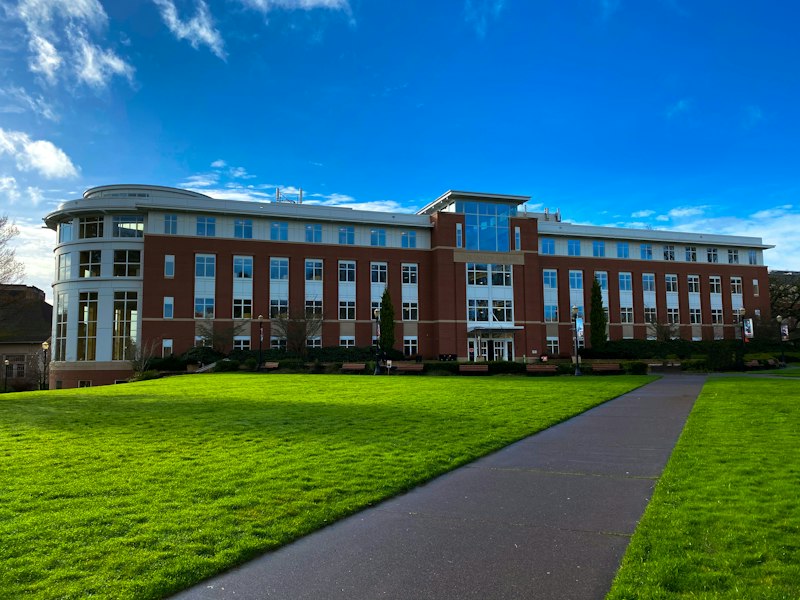
University of Saskatchewan (USask)
Saskatchewan's flagship research university, home to the Canadian Light Source — Canada's only synchrotron facility and one of the most powerful X-ray research tools in the world. USask is internationally recognized for agriculture, veterinary medicine, law, and pharmacy. The Gwenna Moss Centre for Teaching Effectiveness is a national leader in pedagogical innovation.

University of Regina
The provincial capital's university, known for journalism (one of Canada's best journalism schools), social work, engineering, business, and Indigenous education. The First Nations University of Canada is federated with U of R and offers programs from an Indigenous perspective on and off campus.

First Nations University of Canada (FNUniv)
A unique federated college of the University of Regina, FNUniv is governed by First Nations and offers degree programs incorporating Indigenous knowledge, languages, and governance. Programs in Indigenous education, social work, arts, sciences, and business serve students from across Canada. It is a model for Indigenous-controlled post-secondary education.
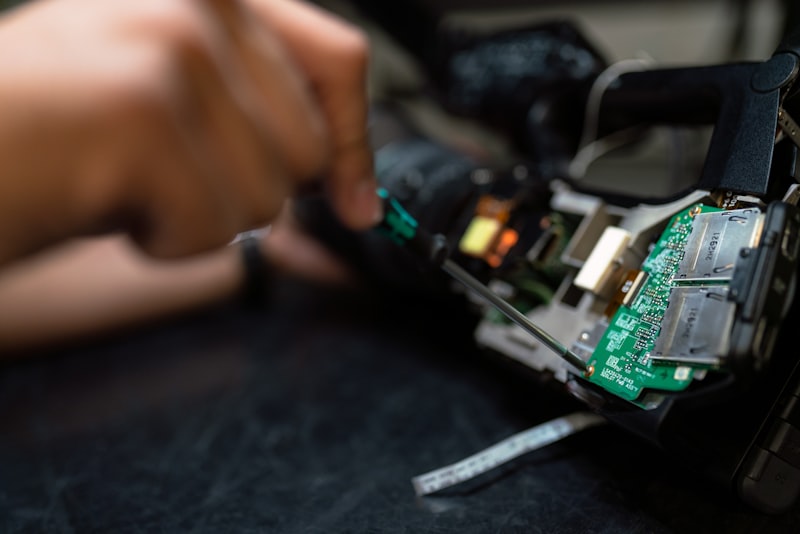
Saskatchewan Polytechnic
The province's applied learning institution with four campuses and online delivery. Saskatchewan Polytechnic offers trade certificates, diplomas, and applied degrees in agriculture, business, health sciences, technology, and engineering technology. Its aviation and mining programs are particularly relevant to Saskatchewan's resource economy.
Briercrest College and Seminary
A private Christian liberal arts college and seminary on the prairies, known for its strong community atmosphere, music, theology, and business programs. Briercrest also operates one of the most successful small-school hockey programs in Canada.
Sports Teams & Athletic Culture
Saskatchewan is a province of 1.2 million people that behaves like a single sports community when the Saskatchewan Roughriders are playing. The CFL franchise commands a province-wide loyalty with no parallel in North American professional sport.
 RIDERS
Saskatchewan Roughriders
Not just a team — a province-wide social institution. Rider Nation is real: fans drive four hours from the far corners of Saskatchewan to watch home games. The team has won four Grey Cups and the green-and-white colours appear on storefronts in towns of 200 people.
 BLADES
Saskatoon Blades
One of the WHL's original franchises. SaskTel Centre is one of the better junior hockey venues in western Canada and Saskatoon takes its Blades seriously — the team has produced dozens of NHLers.
PATS
Regina Pats
Founded in 1917, the Pats are the oldest major junior hockey franchise in the world. They play at the Brandt Centre next to Mosaic Stadium, creating a remarkable sports district in Regina's east end.
Culture, Arts & Identity
Saskatchewan is easier to stereotype than to understand. The landscape — flat, wide, impossibly photogenic at sunrise and sunset — shapes the psychology of its people in ways that visitors don't always catch immediately. This is a province where the sky is genuinely bigger, where you can watch a thunderstorm approach from forty kilometres away, and where the distances between things create a particular quality of attention.
The Living Skies
Saskatchewan's license plates say "Land of Living Skies" and the phrase is not an exaggeration. The unobstructed horizon means weather systems are visible as moving theatre. The province has more hours of sunshine per year than any other in Canada. The landscape has attracted painters — the Saskatchewan prairie has been depicted more obsessively in Canadian visual art than almost anywhere else in the country, from the Group of Seven's Lawren Harris to contemporary Indigenous artists.
Indigenous Culture
Saskatchewan is one of the most culturally active provinces for Indigenous arts and governance. The First Nations University of Canada in Regina is the only degree-granting institution in the world dedicated to Indigenous education within a university context. The province has large Cree, Assiniboine, Nakoda, Lakota, Saulteaux and Dakota populations. Wanuskewin Heritage Park near Saskatoon, a National Historic Site, sits above a 6,400-year-old valley used by Indigenous peoples as a buffalo hunting ground.
Agriculture as Identity
Saskatchewan produces roughly 40 percent of Canada's agricultural exports. The landscape of grain elevators — now disappearing as companies consolidate — was for generations the defining visual symbol of the province. The loss of small-town grain elevators has been mourned as deeply as the closure of a cathedral might be in Europe. The annual Agribition livestock show in Regina is the largest beef cattle show in the Western Hemisphere and draws buyers from sixty countries.